George HW Bush and the End of the Cold War: Crash Course US History #44
TL;DR
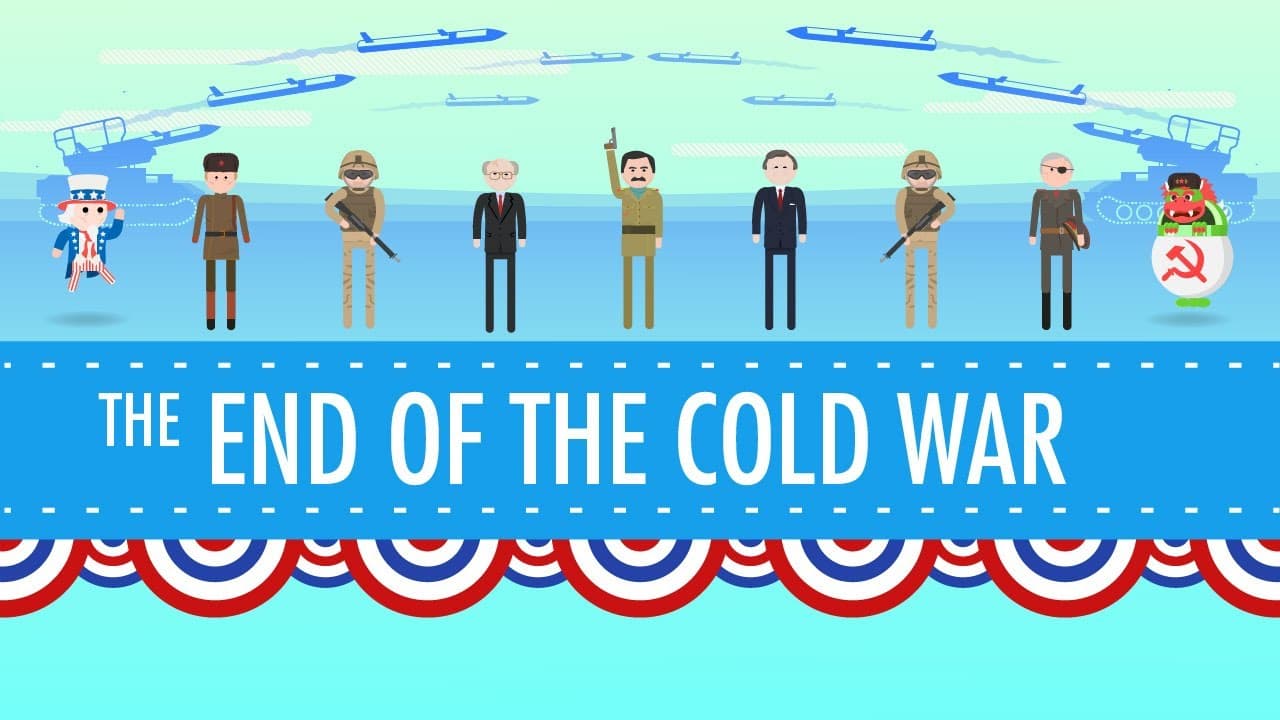
George HW Bush's presidency oversaw the end of the Cold War.
Transcript
Hi, I’m John Green, this is CrashCourse U.S. history and we’ve finally done it we have reached the moment where we get to talk about the presidency of George HW Bush. The 2nd most important man named George Bush ever to be President of the United States. A man so fascinating that we did not give him a face. Mr. Green, Mr. Green, so we’re almost in ... Read More
Key Insights
- George HW Bush had an impressive resume, including roles as a war hero, Congressman, UN ambassador, CIA director, and Vice President before becoming President.
- The 1988 presidential election was marked by negative campaigning, with Bush using the term 'liberal' as an insult, a tactic that proved effective against opponent Michael Dukakis.
- Bush's presidency focused heavily on foreign policy, notably overseeing the end of the Cold War and negotiating nuclear arms reduction treaties with the USSR.
- The Gulf War was a significant military success under Bush, demonstrating American military prowess and temporarily boosting his approval ratings.
- Despite foreign policy successes, Bush faced domestic challenges, including a recession and rising unemployment, which contributed to his re-election defeat.
- Bush's domestic policy achievements included the Americans With Disabilities Act and the Family Medical Leave Act, although the latter did not include paid leave.
- The Rodney King incident and subsequent riots highlighted persistent racial tensions in the US, which Bush struggled to address effectively.
- Bush's decision to raise taxes, despite his famous 'no new taxes' pledge, alienated conservative supporters and contributed to his electoral defeat.
Install to Summarize YouTube Videos and Get Transcripts
Explore YouTube Video Summarizer or Get YouTube Transcript Extractor
Questions & Answers
Q: What were George HW Bush's major foreign policy achievements?
George HW Bush's major foreign policy achievements included overseeing the end of the Cold War, negotiating the START I and START II nuclear arms reduction treaties with the USSR, and successfully leading the Gulf War, which expelled Iraqi forces from Kuwait and demonstrated American military strength.
Q: How did the 1988 presidential election change political campaigning?
The 1988 presidential election saw a significant increase in negative campaigning, with George HW Bush's campaign effectively using negative ads to portray opponent Michael Dukakis as weak on defense and crime. This election marked the beginning of using 'liberal' as a derogatory term in American politics.
Q: What domestic policies were enacted during Bush's presidency?
During Bush's presidency, significant domestic policies included the Americans With Disabilities Act, which prohibited discrimination based on disability, and the Family Medical Leave Act, which allowed unpaid leave for family and medical reasons. However, Bush faced challenges with domestic economic issues, including a recession and high unemployment.
Q: How did the Rodney King incident affect Bush's presidency?
The Rodney King incident and the subsequent riots in Los Angeles exposed deep racial tensions in the United States. Bush's response was seen as inadequate, as he struggled to address these issues effectively, contributing to the perception that he was out of touch with regular Americans and impacting his presidency negatively.
Q: What impact did the Gulf War have on Bush's approval ratings?
The Gulf War significantly boosted George HW Bush's approval ratings, reaching an unprecedented 89% after the successful military campaign to expel Iraqi forces from Kuwait. The war showcased American military capabilities and temporarily alleviated concerns about the so-called 'Vietnam Syndrome' of military engagement hesitancy.
Q: What were the economic challenges during Bush's presidency?
Bush's presidency faced significant economic challenges, including a recession from 1990 to 1992, rising unemployment, and the impact of reduced defense spending following the Cold War. These economic issues contributed to Bush's declining popularity and eventual electoral defeat in 1992.
Q: How did Bush's tax policy affect his re-election campaign?
Bush's decision to raise taxes, despite his famous 'Read my lips, no new taxes' pledge, alienated conservative supporters and damaged his credibility. This decision, coupled with economic challenges and lack of strong domestic policy initiatives, contributed to his defeat in the 1992 presidential election.
Q: What was the significance of the Americans With Disabilities Act?
The Americans With Disabilities Act, enacted during Bush's presidency, was a landmark civil rights law that prohibited discrimination against individuals with disabilities in all areas of public life. It represented a significant step forward in ensuring equal opportunities and access for people with disabilities in the United States.
Summary & Key Takeaways
-
George HW Bush's presidency was defined by significant foreign policy achievements, including the end of the Cold War and the successful Gulf War, though he struggled with domestic issues.
-
The 1988 election marked a shift in political campaigning with Bush's effective use of negative ads, while his presidency saw the introduction of important domestic legislation despite economic challenges.
-
Bush's legacy is a mix of foreign policy success and domestic struggles, with his tax policy and handling of racial tensions contributing to his re-election defeat.
Read in Other Languages (beta)
Share This Summary 📚
Summarize YouTube Videos and Get Video Transcripts with 1-Click
Try YouTube Summary with ChatGPT & Claude or YouTube Transcript Generator
Explore More Summaries from CrashCourse 📚





Summarize YouTube Videos and Get Video Transcripts with 1-Click
Try YouTube Summary with ChatGPT & Claude or YouTube Transcript Generator