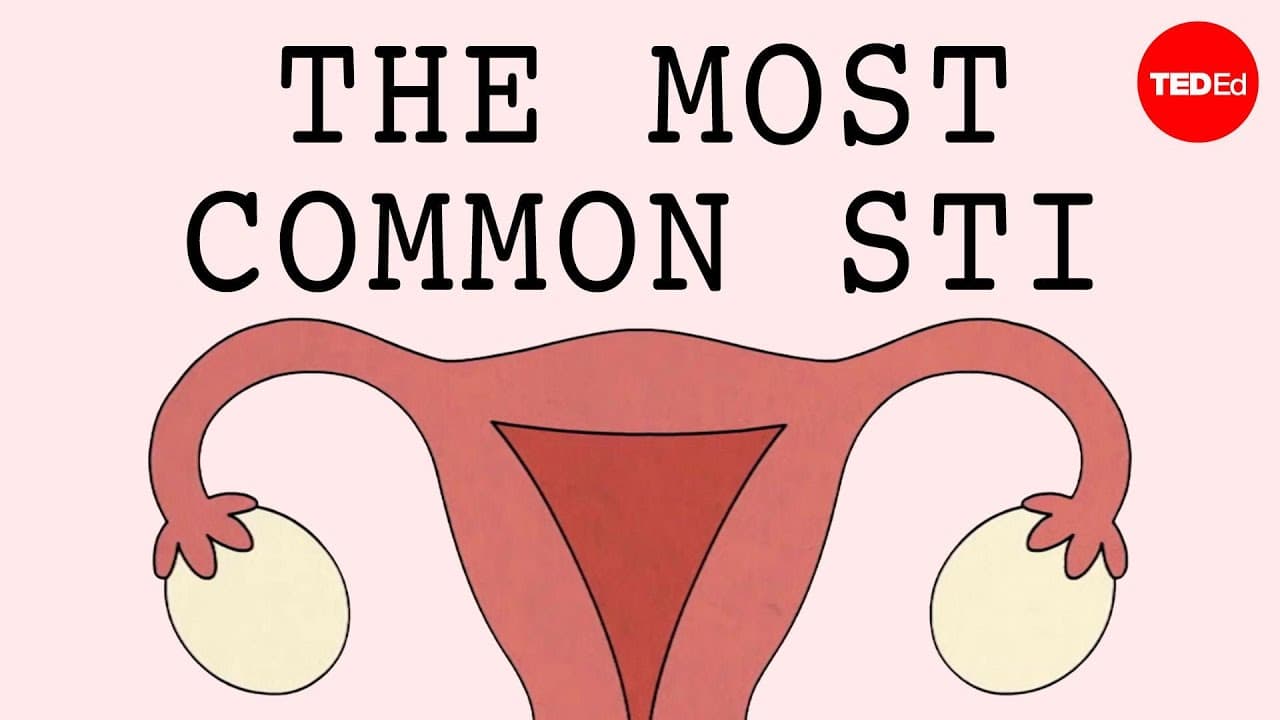
The most common STI in the world - Emma Bryce
TL;DR
HPV has various strains causing warts or cancer, with prevention through vaccines, screenings, and condoms.
Transcript
At some point, most sexually active people will be infected with human papillomavirus, or ‘HPV.’ There are over 100 types of HPV, and most of the time the body eliminates infections without symptoms– but some strains can pose serious health risks down the line. HPV causes contact infections, which means the virus stays in the cells near the poin... Read More
Key Insights
- 😥 Most sexually active individuals will be infected with HPV at some point, with many cases asymptomatic and resolved by the body's immune system.
- 🧑⚕️ HPV can cause genital warts, cervical cancer, and other health risks, emphasizing the importance of prevention strategies like vaccines and screenings.
- 😒 Current prevention methods for HPV include vaccines targeting HPV 16 and 18, regular screenings like pap smears, and condom use during sexual activities.
- ✋ Research is ongoing to develop treatments for those already infected with high-risk HPV strains, with potential for significant reductions in cervical cancer incidence worldwide.
- 👻 Cervical screening through pap smears can detect abnormal cells early, allowing for monitoring or treatment interventions to prevent cancer development.
- 😒 Condom use is crucial in preventing the spread of HPV during sexual activity, reducing overall transmission rates.
- 🛀 Vaccination against HPV, particularly for strains 16 and 18, is recommended for both genders and has shown significant efficacy in reducing cancer risk.
Install to Summarize YouTube Videos and Get Transcripts
Explore YouTube Video Summarizer or Get YouTube Transcript Extractor
Questions & Answers
Q: What are the common health risks posed by human papillomavirus (HPV)?
HPV can lead to genital warts, cervical cancer, and head and neck cancers, with certain strains causing DNA mutations that result in cancerous growths.
Q: How can individuals protect themselves from HPV?
Methods of protection include vaccines, regular screenings like pap smears, and using condoms during sexual activity to prevent the spread of the virus.
Q: What are the available vaccines for HPV?
There are three safe and effective vaccines targeting HPV 16 and 18, given in two or three doses a few months apart, which have shown to reduce the incidence of cervical cancer significantly.
Q: What is the significance of regular screenings for HPV?
Regular screenings like pap smears can detect abnormal cells in the cervix before they develop into cancer, allowing for early intervention and treatment to prevent further complications.
Summary & Key Takeaways
-
Human papillomavirus (HPV) consists of over 100 types, some causing warts while others can lead to cancer.
-
The body can clear most HPV infections, but some strains like HPV 16 and 18 can cause cervical cancer.
-
Prevention methods include vaccines targeting HPV 16 and 18, regular screenings, and condom use.
Read in Other Languages (beta)
Share This Summary 📚
Summarize YouTube Videos and Get Video Transcripts with 1-Click
Try YouTube Summary with ChatGPT & Claude or YouTube Transcript Generator
Explore More Summaries from TED-Ed 📚





Summarize YouTube Videos and Get Video Transcripts with 1-Click
Try YouTube Summary with ChatGPT & Claude or YouTube Transcript Generator