The Replicator
TL;DR
Max Garett works in the replication shop where they create lifelike replicas of objects for exhibits, including animals and artifacts.
Transcript
Hi! I'm with Max Garett, and I just found out his position is called the replicator, which sounds like some kind of cool Transformer. - But, what is it that you do here? - Um, so, Here in the replication shop we make—or recreate objects that can't be real or authentic for exhibits. - So everything that people see in the exhibits that is some kind o... Read More
Key Insights
- 🛍️ The replication shop creates replicas of objects that cannot be real or authentic for exhibits.
- 👶 The touchable replicas are made to withstand handling by visitors, especially children.
- 🛍️ The shop has creative freedom in material choices for non-touchable objects.
- 😓 The replicas are made using a variety of techniques, such as sculpting, molding, and casting.
- 🛩️ The replicas are often made larger or smaller than the real objects for display purposes.
- 🛍️ Collaborations between the replication shop and developers are crucial to creating accurate replicas.
- 💍 Realistic replicas are used in exhibits to educate and engage visitors.
Install to Summarize YouTube Videos and Get Transcripts
Explore YouTube Video Summarizer or Get YouTube Transcript Extractor
Questions & Answers
Q: What is the main purpose of the replication shop?
The replication shop creates replicas of objects that cannot be real or authentic for exhibits, including animals and artifacts. These replicas are made in-house.
Q: How are touchable replicas made to be durable?
Touchable replicas are made with durable materials such as almost indestructible plastic and painted with durable paint. These replicas need to be strong enough to withstand handling by exhibit visitors.
Q: Are the replicas made to be kid-proof?
Yes, the replicas are made to be kid-proof. The replication shop ensures that the touchable replicas are strong enough to prevent them from being easily broken or damaged by children.
Q: What materials are used for non-touchable objects?
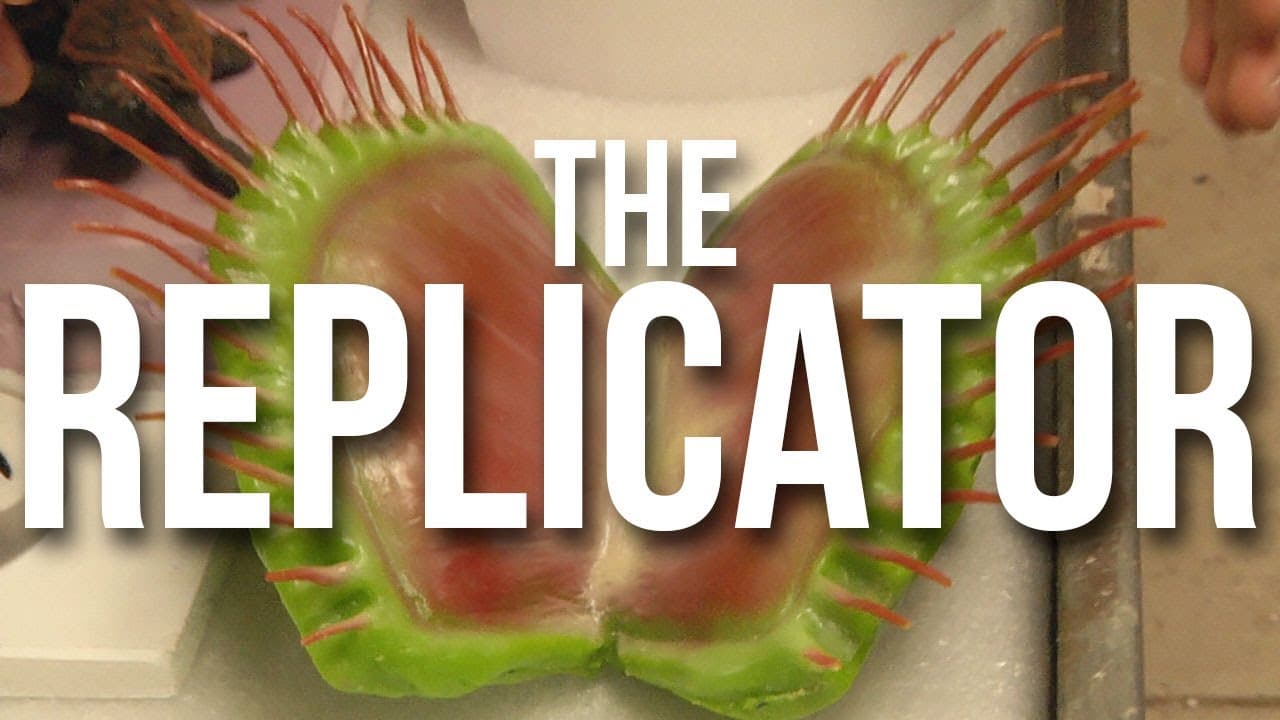
Non-touchable objects have artistic freedom in material choices. For example, a Venus flytrap replica used a nice rubber material and was painted with a less durable paint for a better visual appearance.
Summary & Key Takeaways
-
The replication shop creates lifelike replicas of objects for exhibits, ranging from animals to artifacts.
-
The replicas are made with durable materials to ensure they are kid-proof and able to withstand handling by visitors.
-
Touchable replicas are made with durable paints, while non-touchable objects have more artistic freedom in material choices.
Read in Other Languages (beta)
Share This Summary 📚
Summarize YouTube Videos and Get Video Transcripts with 1-Click
Try YouTube Summary with ChatGPT & Claude or YouTube Transcript Generator
Explore More Summaries from thebrainscoop 📚



Summarize YouTube Videos and Get Video Transcripts with 1-Click
Try YouTube Summary with ChatGPT & Claude or YouTube Transcript Generator