Why Is Corn Genetically Important?
TL;DR
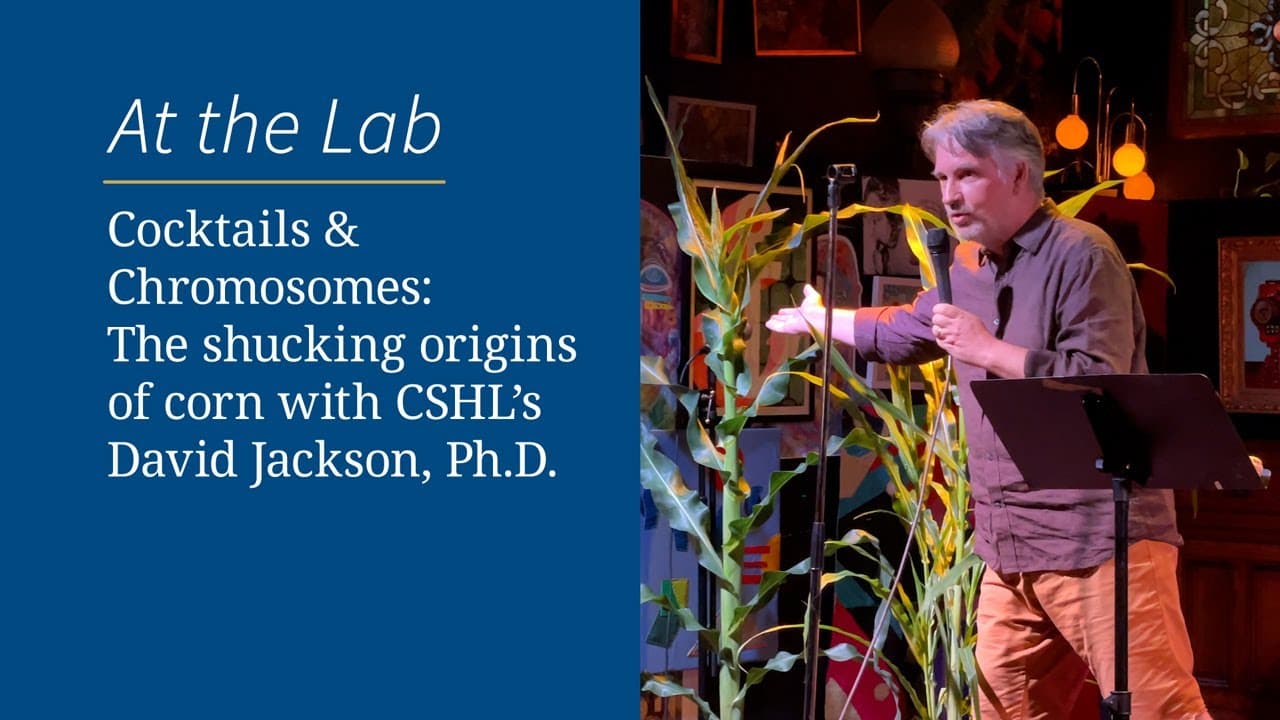
Corn is a genetically diverse crop, making it an excellent model for genetic research. It has been domesticated from its wild ancestor, teosinte, to produce larger and more productive ears. Modern genetic tools like CRISPR allow scientists to manipulate corn genes, potentially increasing yield and sustainability, essential for feeding a growing global population.
Transcript
[music] [applause] All right. So you might think it's strange that someone could stand up for 20 minutes in a bar and talk just about corn. But that's what I'm going to do. In fact, as you heard, I've been researching corn for more than 25 years. So, in fact, you might have to drag me off in a couple of hours but hopefully not. So why corn? What's ... Read More
Key Insights
- Corn is the number one crop worldwide, with over a billion tons produced annually.
- The US is the largest producer of corn, contributing approximately 30% of global production.
- Corn's genetic diversity makes it a valuable model for studying plant genetics and development.
- Teosinte is the wild ancestor of modern corn, characterized by many small ears and branches.
- Domestication has transformed corn into a plant with a single stalk and larger ears.
- CRISPR technology allows precise genetic modifications, enhancing corn yield and resilience.
- Stem cells in corn determine ear size, and controlling their number can increase productivity.
- Increased corn productivity is crucial for feeding the growing global population sustainably.
Install to Summarize YouTube Videos and Get Transcripts
Explore YouTube Video Summarizer or Get YouTube Transcript Extractor
Questions & Answers
Q: Why is corn used as a model organism in genetic research?
Corn is used as a model organism in genetic research due to its genetic diversity and importance as a staple crop. Its large genome and variety of traits make it ideal for studying plant genetics and development. Researchers can explore how genes control traits like ear size and growth patterns, providing insights applicable to other plants and improving agricultural practices.
Q: What is teosinte and how is it related to modern corn?
Teosinte is the wild ancestor of modern corn, originally growing in the wild with many branches and small ears. Over 10,000 years, humans domesticated teosinte through selective breeding, transforming it into the single-stalked, large-eared corn we know today. Understanding teosinte's genetics helps scientists identify traits that can be enhanced in modern corn to increase yield and resilience.
Q: How does CRISPR technology improve corn yields?
CRISPR technology improves corn yields by enabling precise genetic modifications. Scientists can target specific genes responsible for traits like stem cell count and ear size, optimizing these traits for higher productivity. By fine-tuning genetic expression, CRISPR allows for the development of corn varieties that produce more grain, are more resilient, and use resources more efficiently, contributing to sustainable agriculture.
Q: What role do stem cells play in corn development?
Stem cells in corn are crucial for growth and development, particularly in forming the ears. These cells divide and differentiate into various tissues, influencing the size and structure of the corn ear. By controlling the number of stem cells, researchers can manipulate ear size and increase yield. Understanding stem cell regulation is key to optimizing corn production and improving crop resilience.
Q: Why is increasing corn productivity important for global food security?
Increasing corn productivity is vital for global food security as it helps meet the demands of a growing population. Corn is a staple crop used for food, feed, and biofuel, making it essential for various industries. Enhancing its yield through genetic research ensures a stable food supply, reduces pressure on land resources, and supports sustainable agricultural practices, contributing to global food security.
Q: How has domestication changed corn from its wild ancestor?
Domestication has transformed corn from its wild ancestor, teosinte, into a high-yield crop with a single stalk and larger ears. Through selective breeding, humans enhanced traits like ear size and reduced branching, making corn more productive and easier to harvest. This process has been crucial in developing corn as a staple food source, supporting agricultural economies and global food supply.
Q: What are the environmental benefits of using CRISPR in agriculture?
Using CRISPR in agriculture offers environmental benefits by enabling more precise and sustainable crop improvements. It allows for the development of plants that require fewer resources, such as water and fertilizers, reducing agricultural inputs and greenhouse gas emissions. CRISPR can also enhance crop resilience to environmental stresses, promoting sustainable farming practices and helping mitigate the impacts of climate change on agriculture.
Q: What is the significance of the increase in corn yield since the 1930s?
The increase in corn yield since the 1930s is significant as it reflects advancements in breeding, genetics, and agricultural practices. This increase, from about 30 bushels per acre to over six times that amount, has been crucial in feeding a growing global population. It highlights the importance of continued research and innovation in agriculture to ensure food security, improve productivity, and support sustainable development.
Summary & Key Takeaways
-
Corn is a crucial crop globally, both economically and genetically. Its genetic diversity offers insights into plant development, making it a key model organism. Modern techniques like CRISPR allow scientists to manipulate corn genes, potentially increasing yield and sustainability, which is vital for feeding the growing global population.
-
Teosinte, the wild ancestor of corn, has many small ears, unlike the single, large ears of domesticated corn. Domestication has been crucial in transforming corn into the high-yield crop it is today, and understanding its genetics can help further optimize its production.
-
CRISPR technology enables precise genetic modifications in corn, allowing researchers to fine-tune traits such as ear size and stem cell count. This genetic manipulation holds promise for increasing corn yields and contributing to more sustainable agricultural practices.
Read in Other Languages (beta)
Share This Summary 📚
Summarize YouTube Videos and Get Video Transcripts with 1-Click
Try YouTube Summary with ChatGPT & Claude or YouTube Transcript Generator
Explore More Summaries from Cold Spring Harbor Laboratory 📚


Summarize YouTube Videos and Get Video Transcripts with 1-Click
Try YouTube Summary with ChatGPT & Claude or YouTube Transcript Generator