TCP - 12 simple ideas to explain the Transmission Control Protocol
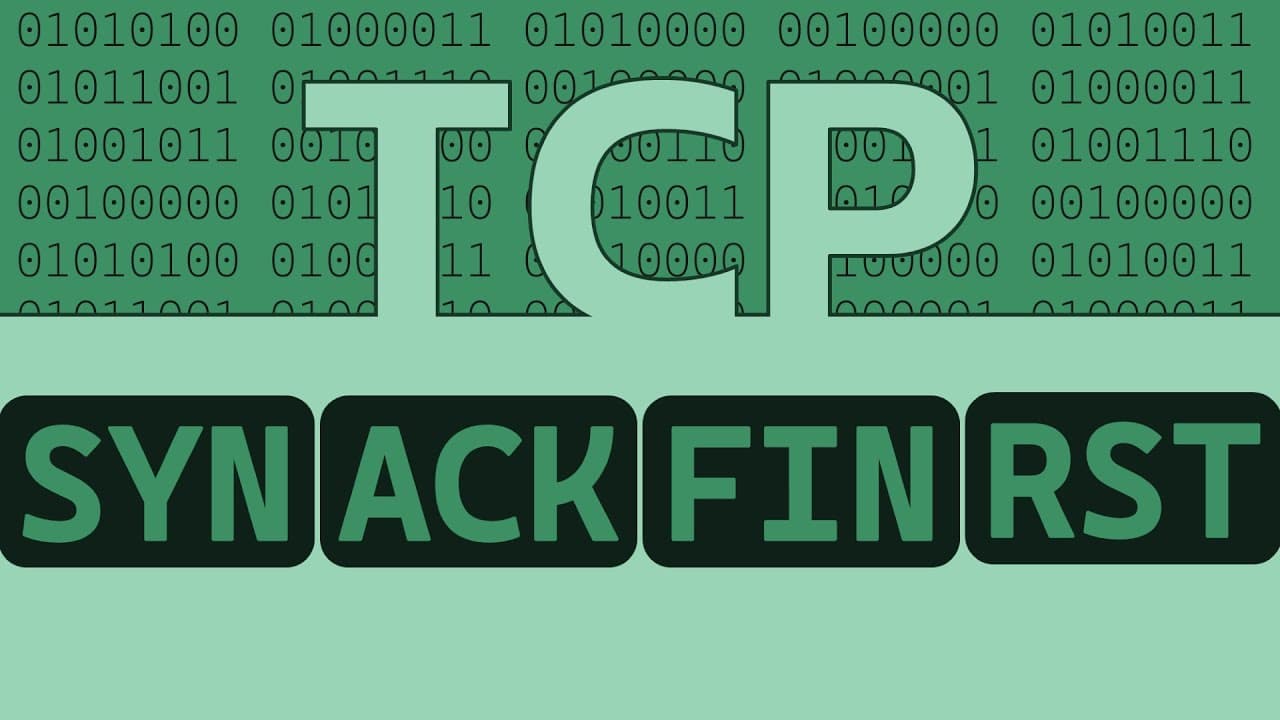
TL;DR
This video provides a comprehensive overview of TCP, including how it works, sequence and acknowledgment numbers, window size, flow control, the three-way handshake, graceful and ungraceful connection closures, and more.
Transcript
TCP has been at the core of internet communication for the last 40 years and in this video I'm going to show you why hello everyone this is Ed harmush welcome to another lesson in the TCP and UDP Master Class this lesson is the Keystone lesson in this lesson we're going to show you exactly how TCP works now in the last lesson we unpack TCP as it co... Read More
Key Insights
- 🎯 TCP has been the core of internet communication for the last 40 years.
- 🔄 TCP and UDP have different functionalities and capabilities.
- 📊 TCP uses sequence numbers to track sent bytes and acknowledgment numbers to track received bytes.
- 🌐 TCP employs re-transmission timeout to handle dropped packets on the network.
- 🚥 TCP uses delayed acknowledgments to optimize the number of acknowledgment packets sent.
- 📡 TCP utilizes window size to control the amount of data that can be sent before waiting for an acknowledgment.
- 🤝 TCP connections are bi-directional, with both parties using their own sequence and acknowledgment numbers.
- 🏁 TCP offers both a graceful and ungraceful connection closing mechanism.
Install to Summarize YouTube Videos and Get Transcripts
Explore YouTube Video Summarizer or Get YouTube Transcript Extractor
Questions & Answers
Q: How does TCP handle situations where packets are dropped during transmission?
TCP uses a retransmission timeout mechanism, where a copy of the sent packet is stored in cache and retransmitted if no acknowledgment is received within a certain time period. This ensures that dropped packets are eventually received and acknowledged.
Q: How does TCP ensure reliable data delivery?
TCP uses sequence numbers and acknowledgment numbers to track sent and received data. The sender waits for acknowledgments before sending new data, and the receiver acknowledges the received data to inform the sender. This ensures that data is reliably delivered and in the correct order.
Q: What is the purpose of the window size in TCP?
The window size determines the amount of data that can be sent before waiting for an acknowledgment. It helps regulate the flow of data between the sender and receiver, preventing data overload and ensuring efficient transmission.
Q: How does the three-way handshake establish a TCP connection?
The three-way handshake involves the exchange of synchronized (SYN) and acknowledgment (ACK) packets between the sender and receiver. It allows both parties to establish initial sequence numbers, exchange information, and synchronize their communications before data transmission begins.
Q: What is the difference between graceful and ungraceful connection closures in TCP?
Graceful connection closure occurs when both parties have finished sending and receiving all data and agree to terminate the connection. Ungraceful connection closure occurs when there are errors or unexpected issues, leading one or both parties to send a reset (RST) packet to abruptly terminate the connection.
Q: How does TCP handle packet loss and out-of-order packets?
TCP uses sequence numbers to track the order of packets and acknowledgment numbers to confirm receipt. If a packet is lost, TCP will retransmit it based on a retransmission timeout mechanism. If packets arrive out of order, TCP will reorder them based on their sequence numbers before delivering them to the recipient.
Q: Can you explain the concept of delayed acknowledgments in TCP?
Delayed acknowledgments allow the receiver to acknowledge multiple received packets with a single acknowledgment. Rather than sending an acknowledgment for each received packet, the receiver waits for a certain period or until receiving a certain number of packets before sending an acknowledgment. This reduces network overhead and improves efficiency.
Summary & Key Takeaways
-
TCP is a fundamental protocol in internet communication that has been used for the past 40 years.
-
TCP uses sequence numbers and acknowledgment numbers to track sent and received data, respectively.
-
The window size determines how much data can be sent before waiting for an acknowledgment.
-
The three-way handshake is used to establish a connection, while graceful and ungraceful connection closures are used to terminate a connection.
-
TCP offers reliable and ordered data delivery, but requires more overhead than UDP.
Read in Other Languages (beta)
Share This Summary 📚
Summarize YouTube Videos and Get Video Transcripts with 1-Click
Try YouTube Summary with ChatGPT & Claude or YouTube Transcript Generator
Explore More Summaries from Practical Networking 📚
Summarize YouTube Videos and Get Video Transcripts with 1-Click
Try YouTube Summary with ChatGPT & Claude or YouTube Transcript Generator