How Do Organisms Reproduce: Asexual vs. Sexual?
TL;DR
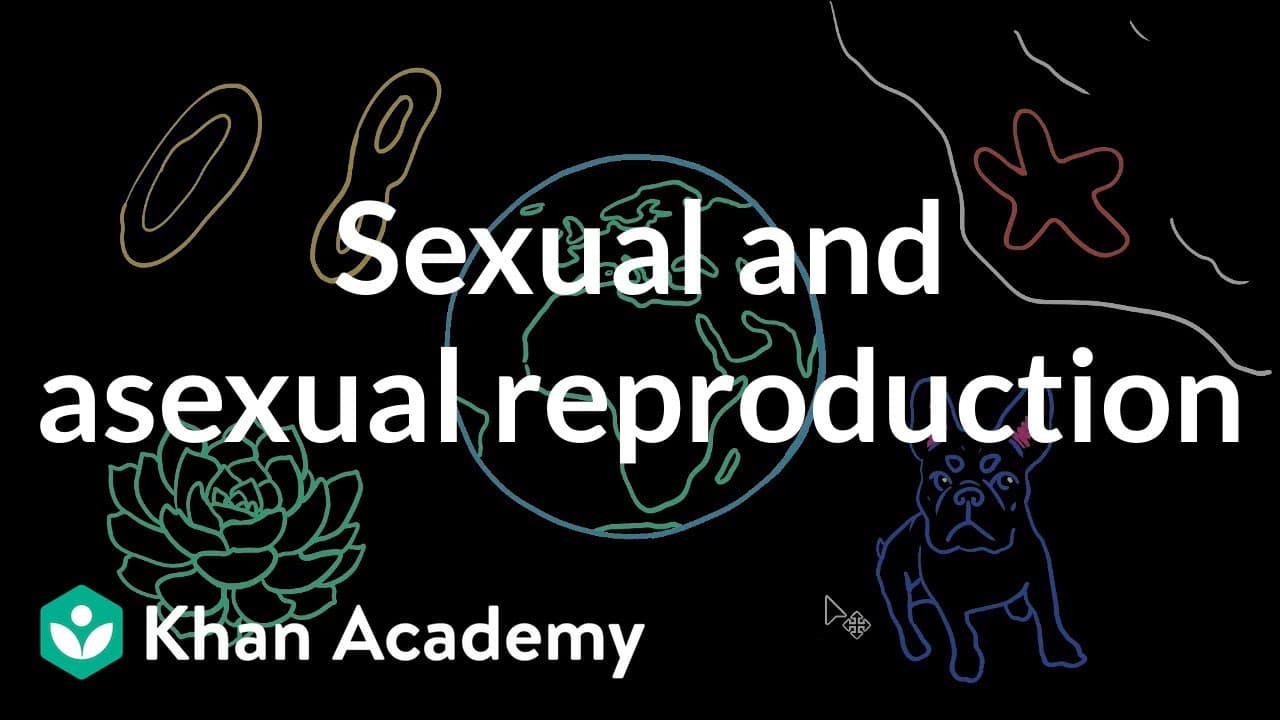
Living organisms reproduce in two main ways: asexual and sexual reproduction. Asexual reproduction uses one parent to produce genetically identical offspring, while sexual reproduction involves two parents, resulting in genetically unique offspring. Both methods are essential for the diversity and survival of species.
Transcript
- [Narrator] The planet we live on is full of life and has been for billions of years. Living things on earth have existed for as long as they have, because life found a way to create life. Sounds crazy, right? To put it another way, living things found ways to reproduce, creating offspring that can then go on to reproduce themselves, but what exac... Read More
Key Insights
- 👻 Reproduction is a fundamental process that has allowed life on Earth to exist for billions of years.
- ❓ Asexual reproduction creates genetically identical offspring, while sexual reproduction produces genetically diverse offspring.
- ❓ Both asexual and sexual reproduction are essential for the survival and evolution of different organisms.
- ❓ Asexual reproduction is efficient for rapid population growth, while sexual reproduction promotes genetic diversity and adaptation.
- 🌱 Many microorganisms, plants, and some animals can reproduce asexually, while sexual reproduction is seen in most animals, including humans.
- 🛟 Different organisms have evolved various strategies and mechanisms for reproduction, showcasing the diversity of life.
- 🖐️ Genetic variation is the result of sexual reproduction and plays a significant role in the uniqueness and adaptability of organisms.
Install to Summarize YouTube Videos and Get Transcripts
Explore YouTube Video Summarizer or Get YouTube Transcript Extractor
Questions & Answers
Q: What is reproduction?
Reproduction is the process by which living organisms create new organisms, passing on their genetic information to their offspring.
Q: How does asexual reproduction work?
Asexual reproduction involves only one parent, and the offspring are genetically identical to the parent. It can happen through processes like binary fission in bacteria or offspring growing off of a parent plant.
Q: What are some examples of asexual reproduction in animals?
Starfish or sea stars can reproduce asexually by splitting into multiple parts that grow into new starfish. These new starfish are genetically identical to the original.
Q: How does sexual reproduction differ from asexual reproduction?
Sexual reproduction involves two parents and produces genetically unique offspring. It allows for genetic variation and the inheritance of traits from both parents.
Summary & Key Takeaways
-
Reproduction is the process of making new organisms, where parent organisms pass their genetic information on to their offspring.
-
Asexual reproduction involves only one parent and produces offspring that are genetically identical to the parent. Examples include bacteria, plants, and some animals like starfish.
-
Sexual reproduction involves two parents and results in genetically unique offspring. It allows for a wide range of genetic variations and is seen in most animals, including humans.
Read in Other Languages (beta)
Share This Summary 📚
Summarize YouTube Videos and Get Video Transcripts with 1-Click
Try YouTube Summary with ChatGPT & Claude or YouTube Transcript Generator
Explore More Summaries from Khan Academy 📚




Summarize YouTube Videos and Get Video Transcripts with 1-Click
Try YouTube Summary with ChatGPT & Claude or YouTube Transcript Generator