What Are Spanish-Philippine Literary Genres?
TL;DR
Spanish-Philippine literature encompasses a diverse range of genres that blend traditional and local influences. These include folkloric tales, biographies, and travel books that incorporate pre-Hispanic themes and oral traditions. Despite the decline in Spanish-Philippine literature post-World War II, these genres continue to serve as important cultural and historical records.
Transcript
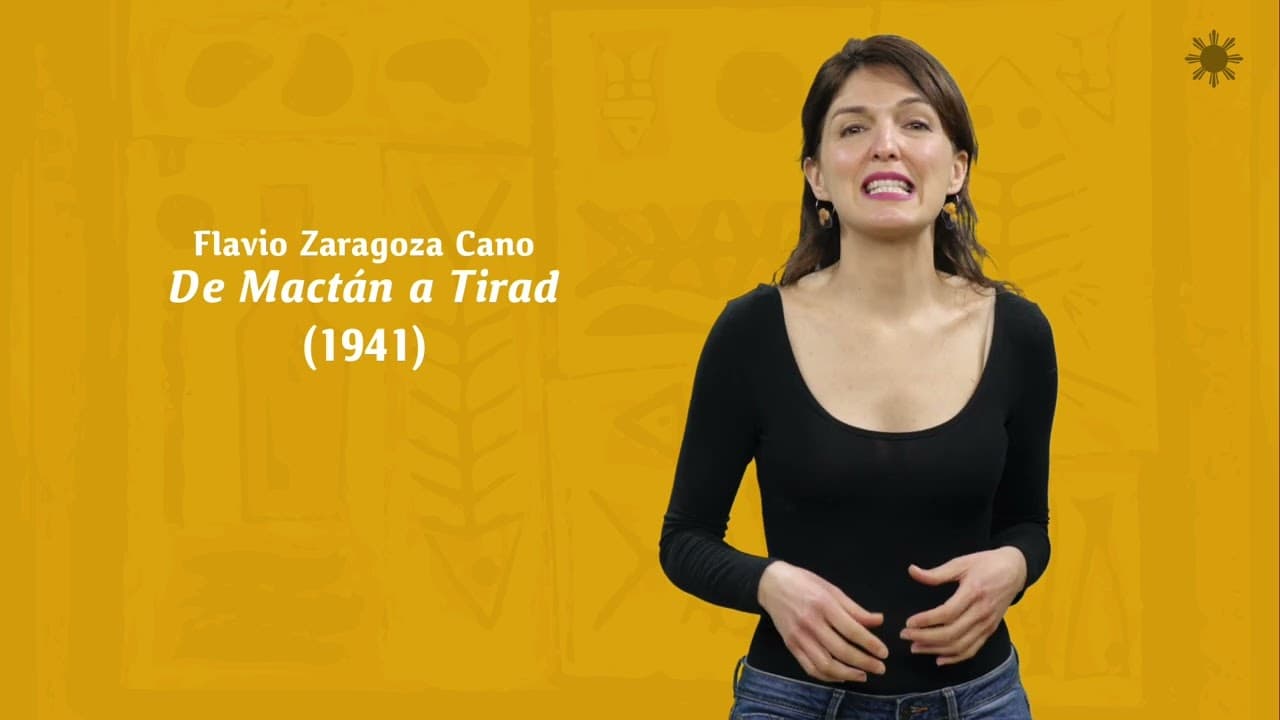
It has already happened twice to Professor Axel Gasquet and me, that when we were editing a book on Spanish-Philippine Literature, the copy editors read the chapters and asked us why we placed the word “literature” in the title instead of “texts” or “writings.” The problem, according to these copy writers, is that the genres of works being analyzed... Read More
Key Insights
- Spanish-Philippine literature includes genres like folkloric tales, biographies, and travel books.
- These works often do not fit into classical literary genres, challenging traditional definitions of literature.
- Pre-Hispanic themes are integrated into folk tales and political speeches, preserving cultural identity.
- Orality is a significant feature in testimonial literature and poetry, reflecting pre-Hispanic traditions.
- Biographies of national heroes play a crucial role in shaping national identity and consciousness.
- Outlaw genres combine literature and history, serving as tools for political protest and social change.
- Travel books explore global economic and social models for potential application in the Philippines.
- Despite a decline, Spanish-Philippine literature remains a vital cultural and historical record.
Install to Summarize YouTube Videos and Get Transcripts
Explore YouTube Video Summarizer or Get YouTube Transcript Extractor
Questions & Answers
Q: What are the main genres in Spanish-Philippine literature?
The main genres in Spanish-Philippine literature include folkloric tales, biographies, travel books, testimonial literature, and poetry. These genres often blend traditional and local influences, incorporating pre-Hispanic themes and oral traditions. They challenge classical literary definitions and serve as important cultural and historical records, reflecting the unique Filipino experience.
Q: How does Spanish-Philippine literature incorporate pre-Hispanic themes?
Spanish-Philippine literature incorporates pre-Hispanic themes by integrating them into folk tales, political speeches, and other literary forms. This includes the use of mythological themes and oral traditions, which are evident in testimonial literature and poetry. Such incorporation helps preserve cultural identity and connects contemporary works to historical and traditional roots.
Q: Why are biographies significant in Spanish-Philippine literature?
Biographies are significant in Spanish-Philippine literature as they play a crucial role in shaping national identity and consciousness. They often focus on national heroes and figures who contributed to the country's independence and cultural formation. These works help foster a sense of unity and shared history among the diverse population of the Philippines.
Q: What is the role of 'outlaw genres' in Spanish-Philippine literature?
Outlaw genres in Spanish-Philippine literature combine narrative inventions with social struggle, distancing themselves from purely aesthetic experimentation. They serve as tools for political protest and social change, reflecting the desire to create a new social space and model of nationhood. These genres often blend literature and history, offering insights into the socio-political landscape.
Q: How do travel books contribute to Spanish-Philippine literature?
Travel books contribute to Spanish-Philippine literature by exploring global economic and social models for potential application in the Philippines. They continue a tradition of seeking inspiration from other countries, reflecting on what could work in the local context. These works provide insights into the aspirations and challenges faced by the Philippines in its development journey.
Q: What is the significance of orality in Spanish-Philippine literature?
Orality is significant in Spanish-Philippine literature as it reflects pre-Hispanic traditions and cultural identity. It is prominently featured in testimonial literature and poetry, where oral storytelling techniques are used to convey emotions and historical narratives. This emphasis on orality helps preserve cultural heritage and connects contemporary works to traditional roots.
Q: How did Spanish-Philippine literature evolve post-World War II?
Post-World War II, Spanish-Philippine literature experienced a decline but continued to produce works in various genres, including journalistic and lyrical forms. Despite challenges, these works remain vital cultural and historical records, showcasing the adaptability and resilience of Spanish-Philippine literary traditions. They continue to reflect the unique Filipino experience and cultural identity.
Q: What challenges do Spanish-Philippine literary genres face?
Spanish-Philippine literary genres face challenges such as declining interest and the struggle to fit into classical literary definitions. Many works are difficult to classify, blending traditional and local influences with historical and cultural themes. Despite these challenges, these genres remain important cultural records, preserving the unique Filipino experience and contributing to national identity.
Summary & Key Takeaways
-
Spanish-Philippine literature is characterized by genres that blend traditional and local influences, such as folkloric tales, biographies, and travel books. These works challenge classical literary definitions and incorporate pre-Hispanic themes and oral traditions. Despite a decline after World War II, these genres continue to serve as important cultural and historical records.
-
Biographies of national heroes are crucial in shaping national identity and consciousness in the Philippines. These works, along with other 'outlaw genres,' combine literature and history, serving as tools for political protest and social change. They reflect the desire to create a new social space and model of nationhood.
-
Travel books in Spanish-Philippine literature explore global economic and social models for potential application in the Philippines. These genres, despite a decline post-World War II, remain vital cultural and historical records, demonstrating the adaptability and resilience of Spanish-Philippine literary traditions.
Read in Other Languages (beta)
Share This Summary 📚
Summarize YouTube Videos and Get Video Transcripts with 1-Click
Try YouTube Summary with ChatGPT & Claude or YouTube Transcript Generator
Explore More Summaries from universidadurjc 📚





Summarize YouTube Videos and Get Video Transcripts with 1-Click
Try YouTube Summary with ChatGPT & Claude or YouTube Transcript Generator