Preparing Your Training Schedule - Dog Trainer Course
TL;DR
Learn essential training steps to become a professional dog trainer.
Transcript
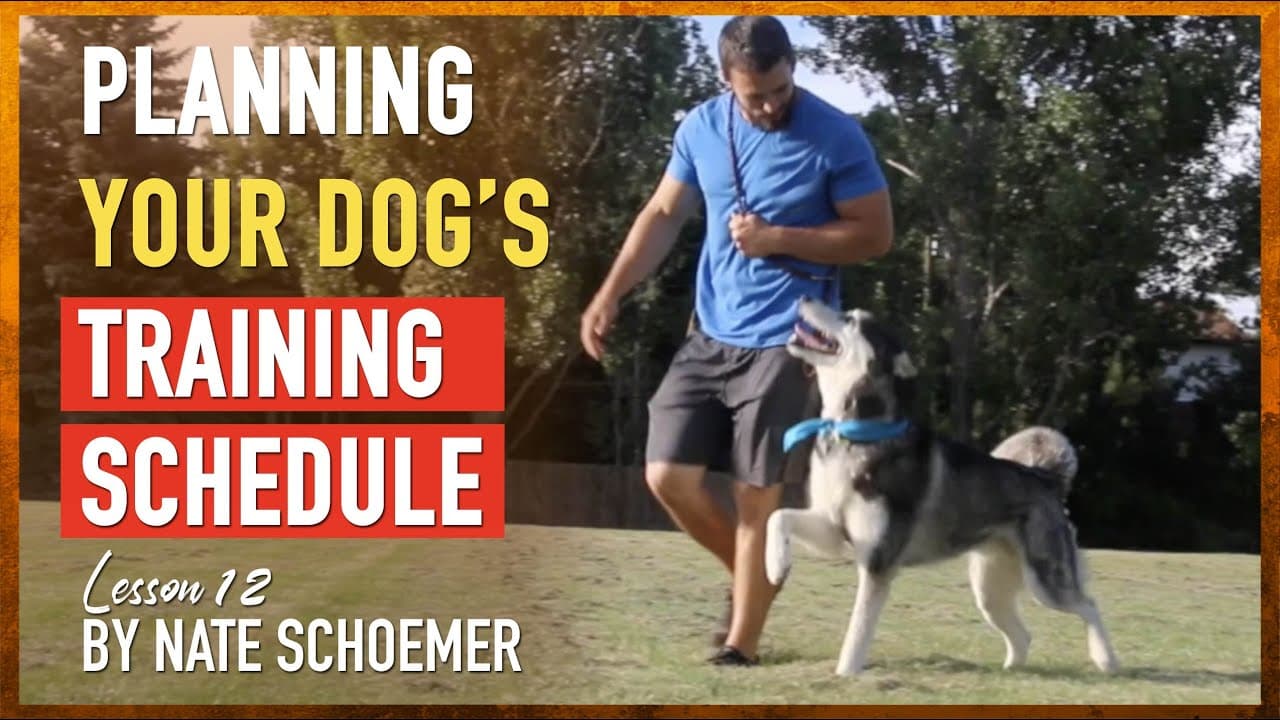
now that we've gone over a lot of the instructional portion of this series becoming a professional dog trainer we'll start working on more of the hands-on part first it's essential to have a training plan this will help keep you focused and on track before you become a professional dog trainer it's good to have not only the knowledge but also a sig... Read More
Key Insights
- Having a structured training plan is crucial for maintaining focus and achieving specific training goals for both personal and client dogs.
- Engagement training is the foundational step to establish communication and trust with the dog, making it easier for them to learn new commands.
- Using luring techniques with food helps guide dogs into desired positions, which is essential for teaching basic commands like sit, down, and heel.
- Leash pressure, or leash cues, reinforce commands and establish boundaries, helping dogs understand what is expected of them in various situations.
- Repetition is key in dog training; consistent practice helps reinforce learned behaviors and commands, ensuring long-term success.
- Proofing involves training dogs in various environments with different distractions, ensuring they can perform commands reliably in any situation.
- Providing clients with a dog training manual or written steps ensures they can continue training at home, reinforcing what their dog has learned.
- Offering free training sessions in exchange for feedback or reviews can help aspiring trainers gain experience and build a client base.
Install to Summarize YouTube Videos and Get Transcripts
Explore YouTube Video Summarizer or Get YouTube Transcript Extractor
Questions & Answers
Q: What is the first step in training a dog?
The first step in training a dog is engagement training. This foundational step helps establish communication and trust between the trainer and the dog. It teaches the dog that paying attention to the trainer results in good things, and helps introduce conditioned reinforcers or markers.
Q: How can aspiring dog trainers gain experience?
Aspiring dog trainers can gain experience by setting specific training goals for their own dogs and practicing with other dogs outside their home. They can reach out to local rescue groups or shelters for additional dogs to train, or offer free training to family and friends in exchange for feedback or reviews.
Q: What is luring, and how is it used in dog training?
Luring is a technique used in dog training where food is used to guide a dog into a desired position, such as sit, down, or heel. It is a powerful tool to teach basic commands and helps provide the dog with the answer when they are learning new behaviors.
Q: What is the purpose of leash pressure in training?
Leash pressure, also known as leash cues, is used to reinforce commands and establish boundaries for dogs. It involves applying pressure on the leash to cue the dog into different positions. This technique helps dogs understand what is expected of them and is particularly useful in teaching stay commands and preventing unwanted behaviors.
Q: Why is repetition important in dog training?
Repetition is crucial in dog training because it helps reinforce learned behaviors and commands, ensuring that the dog can perform them reliably over time. Consistent practice allows the dog to become familiar with the commands and improves their ability to respond correctly in various situations.
Q: What is proofing in dog training?
Proofing in dog training involves practicing commands in various environments with different distractions to ensure the dog can perform them reliably in any situation. It helps the dog generalize the commands and maintain their focus and obedience even in challenging or unfamiliar settings.
Q: How can trainers provide ongoing support to clients?
Trainers can provide ongoing support to clients by offering a dog training manual or written steps that outline the training process. This ensures clients have a reference to continue training at home, reinforcing what their dog has learned during training sessions and maintaining the dog's progress.
Q: What are the benefits of offering free training sessions?
Offering free training sessions can help aspiring trainers gain valuable experience and build a client base. It allows them to practice their skills, receive feedback, and collect reviews, which can enhance their credibility and attract paying clients in the future. It also helps them establish relationships with local rescue groups or shelters.
Summary & Key Takeaways
-
The video emphasizes the importance of having a structured training plan to become a professional dog trainer, focusing on setting specific goals for both personal and client dogs. It suggests starting with easy dogs and gradually taking on more challenging cases as confidence and skills improve.
-
Engagement training is highlighted as the first step in establishing communication with dogs. The video explains how luring with food can be used to teach basic commands, and the importance of not overshadowing commands with lures is discussed.
-
Leash pressure is introduced as a method to reinforce commands and establish boundaries. The video stresses the importance of repetition in training and provides insights on proofing, which involves practicing commands in various environments to ensure reliability.
Read in Other Languages (beta)
Share This Summary 📚
Summarize YouTube Videos and Get Video Transcripts with 1-Click
Try YouTube Summary with ChatGPT & Claude or YouTube Transcript Generator
Explore More Summaries from Nate Schoemer 📚




Summarize YouTube Videos and Get Video Transcripts with 1-Click
Try YouTube Summary with ChatGPT & Claude or YouTube Transcript Generator