The Truth About Columbus’s “First Contact”: Ep 10 of Crash Course Native American History
TL;DR
Columbus's arrival reshaped Native American lives, sparking resistance and ongoing cultural survival.
Transcript
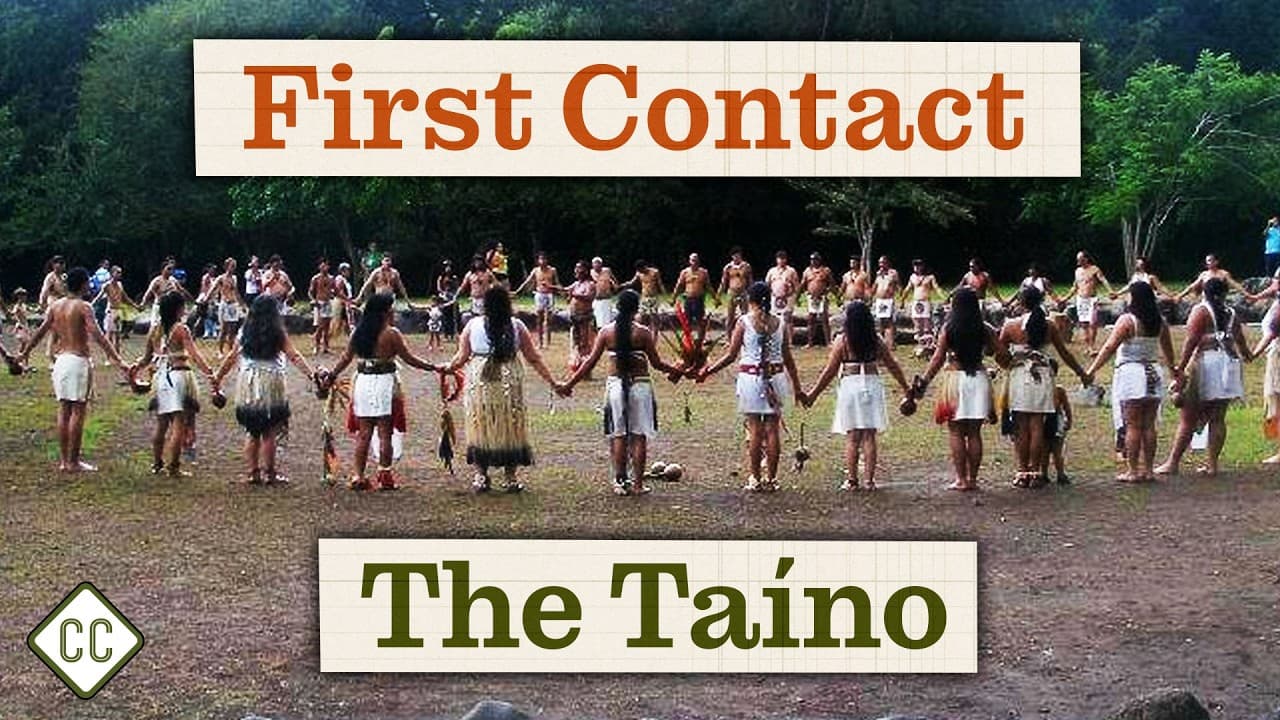
Ok, let me tell you about Christopher Columbus… [bleep] So, I’ve been told you can’t say any of that on YouTube. So let’s start here, with the Taíno people. They were one of the first tribes to encounter Columbus, in what’s now the Dominican Republic and Haiti. Some scholars estimate that there may have been more than three million Taínos in Hisp... Read More
Key Insights
- The Taíno people, encountered by Columbus, were declared extinct within a century, but they persist today, challenging historical inaccuracies.
- Columbus aimed to discover a new trade route to Asia, not new lands, highlighting the misinterpretation of his intentions and actions.
- The term 'first contact' is misleading; numerous interactions between Europeans and Native Americans occurred over centuries.
- The Doctrine of Discovery, established in 1493, justified European claims over Indigenous lands, with its effects felt until the 21st century.
- European colonization led to catastrophic population declines among Native Americans, exacerbated by disease, warfare, and enslavement.
- The California Genocide exemplifies the intentional extermination of Native populations, sanctioned by the state and federal governments.
- Native American resistance included strategic alliances, military victories, and legal battles to reclaim lands and rights.
- Modern research reveals significant Indigenous genetic heritage in Caribbean populations, disproving the notion of Taíno extinction.
Install to Summarize YouTube Videos and Get Transcripts
Explore YouTube Video Summarizer or Get YouTube Transcript Extractor
Questions & Answers
Q: What is the significance of the Taíno people in the context of Columbus's arrival?
The Taíno were among the first Indigenous groups to encounter Columbus upon his arrival in the Americas. Despite being declared extinct within a century, the Taíno people have persisted culturally and genetically, challenging historical inaccuracies and highlighting the resilience of Native cultures in the face of colonization.
Q: How does the episode challenge the concept of 'first contact'?
The episode argues that 'first contact' is a misleading term, as it implies a singular event. In reality, numerous interactions occurred over centuries between various European powers and Native American tribes, each with unique consequences. This challenges the simplistic narrative often associated with Columbus's arrival in 1492.
Q: What was the Doctrine of Discovery and its impact on Indigenous peoples?
The Doctrine of Discovery, established by Pope Alexander VI in 1493, allowed Christian rulers to claim lands not inhabited by Christians. This doctrine provided a legal framework for European colonization and the dispossession of Indigenous lands, with its effects persisting into modern legal systems and contributing to the marginalization of Native peoples.
Q: How did European diseases affect Native American populations?
European diseases, such as smallpox and measles, devastated Native American populations due to their lack of immunity. These 'virgin soil' epidemics, combined with warfare, enslavement, and resource depletion, led to catastrophic population declines, often overshadowing the intentional violence and dispossession carried out by colonizers.
Q: What was the California Genocide and its implications?
The California Genocide refers to the state-sanctioned extermination of Native Americans following the 1848 gold rush. Encouraged and funded by state and federal governments, this genocide drastically reduced the Native population, exemplifying the violent and intentional nature of colonization and its enduring legacy of injustice.
Q: How did Native Americans resist European colonization?
Native Americans employed various strategies to resist colonization, including forming alliances, engaging in trade, and waging military campaigns. Notable examples include Pontiac's Rebellion and the Battle of Little Bighorn, which demonstrated Native resilience and strategic acumen in defending their lands and cultures against European encroachment.
Q: What does modern research reveal about Taíno ancestry?
Modern genetic research has revealed significant Indigenous ancestry among Caribbean populations, disproving the historical narrative of Taíno extinction. Studies show that a substantial percentage of Dominicans, Cubans, and Puerto Ricans possess Indigenous genes, affirming the continued presence and cultural survival of the Taíno people despite colonial attempts at erasure.
Q: How does the episode conclude on the topic of Native American history?
The episode concludes by emphasizing the ongoing reshaping of history and the resilience of Native American cultures. It highlights the importance of recognizing the diverse and complex interactions between Europeans and Native peoples, as well as the continued efforts of Indigenous communities to reclaim their lands and assert their cultural identities.
Summary & Key Takeaways
-
The episode explores Columbus's first contact with Native Americans, debunking myths and highlighting the Taíno people's survival despite historical claims of extinction. It emphasizes the misconceptions surrounding Columbus's intentions and the impact of European colonization on Indigenous populations.
-
The Doctrine of Discovery, established by Pope Alexander VI, provided a legal basis for European claims over Indigenous lands. This doctrine justified colonization and its devastating effects on Native American populations, including disease outbreaks and intentional exterminations like the California Genocide.
-
Native American resistance to European colonization included forming alliances, engaging in diplomacy, and waging military campaigns. Modern research into Indigenous genetics in the Caribbean challenges historical narratives, affirming the continued presence and resilience of Native cultures.
Read in Other Languages (beta)
Share This Summary 📚
Summarize YouTube Videos and Get Video Transcripts with 1-Click
Try YouTube Summary with ChatGPT & Claude or YouTube Transcript Generator
Explore More Summaries from CrashCourse 📚
Summarize YouTube Videos and Get Video Transcripts with 1-Click
Try YouTube Summary with ChatGPT & Claude or YouTube Transcript Generator