Lecture 16: Denouement of Humanitarian Intervention
TL;DR
The intervention in Libya, based on the responsibility to protect (R2P) doctrine, led to unintended consequences, including the failure of peace-building efforts, the spread of arms across the region, and the refugee crisis. Lessons include the need for high thresholds for intervention, caution in supporting opposition groups, and the recognition that regime change should be a last resort.
Transcript
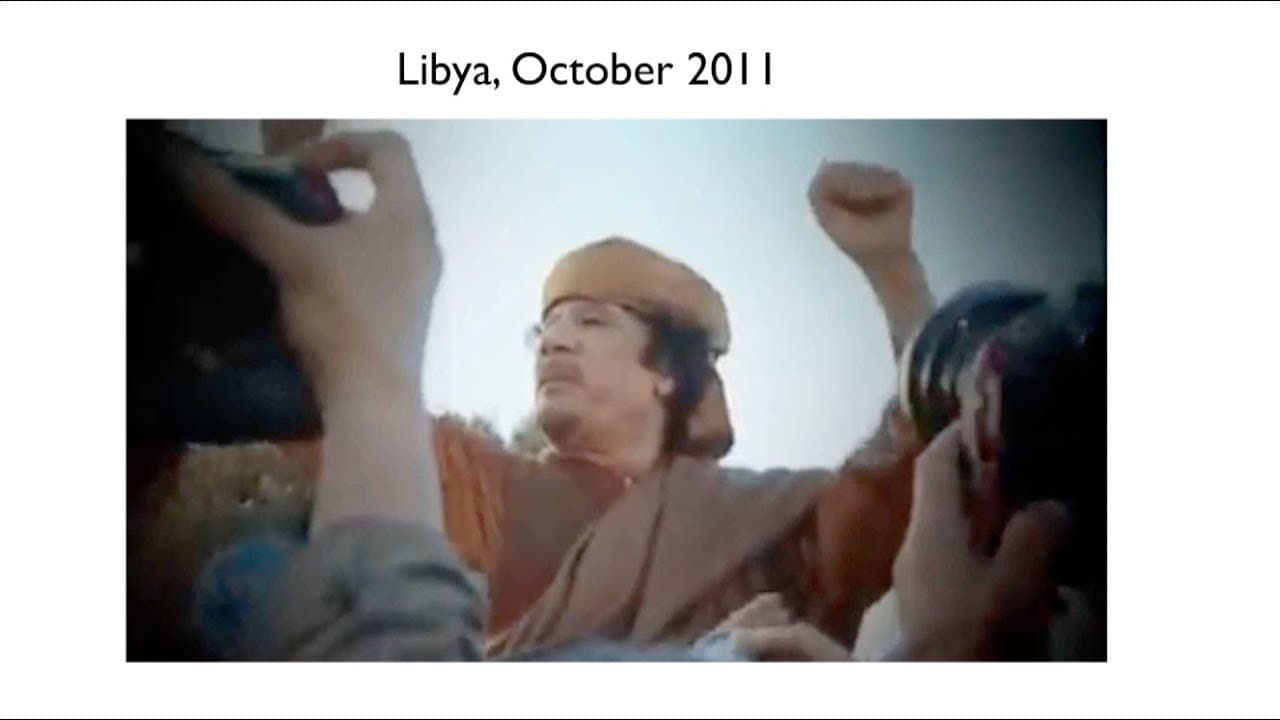
- Good morning, everybody. So today's lecture is called The Denouement of Humanitarian Intervention, and it's mainly gonna be focused on Libya, though we'll see, we'll look elsewhere in the Arab Spring as well. Let's start at the end, though. This is Libya late last year. - So that was the situation in late 2018. If anything, it's worse today. Ther... Read More
Key Insights
- ✋ The intervention in Libya highlights the challenges of humanitarian intervention, including the need for high thresholds, caution in supporting opposition groups, and the recognition that regime change should be a last resort.
- 🙈 Peace-building efforts after intervention are difficult and often ineffective, as seen in Libya's ongoing instability.
- 🫱 The external involvement in civil wars, as witnessed in Libya and Syria, often prolongs conflicts and exacerbates humanitarian crises.
- 🎮 The responsibility to protect doctrine should remain exceptional and exceptional safeguards are needed to control the principal-agent challenge.
Install to Summarize YouTube Videos and Get Transcripts
Explore YouTube Video Summarizer or Get YouTube Transcript Extractor
Questions & Answers
Q: What were the reasons behind the intervention in Libya?
The intervention in Libya was based on the responsibility to protect doctrine and the belief that immediate action was needed to prevent a humanitarian catastrophe in Benghazi. The reports of imminent civilian slaughter were later found to be exaggerated.
Q: What were the unintended consequences of the intervention?
The intervention led to the failure of peace-building efforts, the spread of arms throughout the region, and the destabilization of countries like Syria. It also contributed to the refugee crisis in Europe.
Q: Why did the intervention in Libya attract international support?
The intervention in Libya initially attracted international support because it was seen as a way to protect civilians from imminent slaughter. Countries like France recognized the opposition as the legitimate government and pushed for intervention. However, the intervention quickly turned into a regime change operation.
Q: How did the intervention in Libya impact the responsibility to protect doctrine?
The intervention in Libya has left the responsibility to protect doctrine in tatters. It is viewed with skepticism by many countries due to concerns about ulterior motives and the potential for unintended consequences.
Summary & Key Takeaways
-
The intervention in Libya, based on the responsibility to protect (R2P), resulted in unintended consequences, including the failure of peace-building efforts and the destabilization of the region.
-
The intervention was justified based on reports of imminent humanitarian catastrophe in Benghazi, but it is now clear that the reports were exaggerated.
-
The fallout from the Libyan intervention includes the spread of arms throughout the region, the exacerbation of the Syrian conflict, and the refugee crisis in Europe.
Read in Other Languages (beta)
Share This Summary 📚
Summarize YouTube Videos and Get Video Transcripts with 1-Click
Try YouTube Summary with ChatGPT & Claude or YouTube Transcript Generator
Explore More Summaries from YaleCourses 📚




Summarize YouTube Videos and Get Video Transcripts with 1-Click
Try YouTube Summary with ChatGPT & Claude or YouTube Transcript Generator