Nature of Genius 113 Changing Face of Genius
TL;DR
Genius is a concept that has evolved over time, from a guardian spirit to a solitary genius to a team of researchers. The face of genius has also changed to include women and individuals from diverse backgrounds.
Transcript
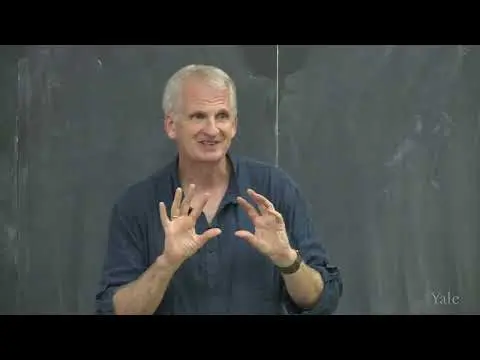
where does this notion of Genius come from is it a fixed idea or does it change over time it changes as I have suggested in our previous meeting to demonstrate the changing face of Genius across Western history we should start at the beginning our term genius it turns out is an ancient word and the origins of the concept go back to Classical Greece... Read More
Key Insights
- 💢 The concept of genius has evolved over time, reflecting the cultural and social changes of each era.
- ❓ In the Middle Ages, genius was associated with divine intervention and exceptional accomplishments were attributed to God or patron saints.
- 💡 The Renaissance brought forth the idea of genius as talented individuals who communicated divine ideas.
- 🙈 The Enlightenment marked a shift towards secularism, with genius being seen as an inherent quality within individuals.
- 🤦♀️ The face of genius has changed to include women and individuals from diverse backgrounds.
- 😤 Collaborative research teams have replaced the solitary genius in many fields.
- ❓ The modern perception of genius often includes a romanticized image of eccentricity or insanity.
- 🪡 Our notion of genius is constantly evolving, influenced by societal values and needs.
Install to Summarize YouTube Videos and Get Transcripts
Explore YouTube Video Summarizer or Get YouTube Transcript Extractor
Questions & Answers
Q: What were some ancient ideas about genius?
In ancient Greece and Rome, genius was associated with ideas of daemon, mania, and guardian spirits. It was believed to be a creative force that overtook and consumed individuals, particularly poets.
Q: How did the concept of genius change in the Middle Ages?
In the Middle Ages, genius became associated with divine inspiration. Works of exceptional accomplishment were attributed to the intervention of God or patron saints, rather than individual genius.
Q: Who were some notable geniuses during the Renaissance?
Leonardo da Vinci, Michelangelo, and Shakespeare are often regarded as the geniuses of the Renaissance. They were seen as communicators of divine ideas and were referred to as "Divino" Leonardo and "IL Divino" Michelangelo.
Q: How did the Enlightenment change the concept of genius?
During the Enlightenment, the idea of genius became more secular. God withdrew, leaving genius as an inherent quality within individuals. Genius was defined as a natural ability or capacity that fitted a person for their peculiar work.
Summary & Key Takeaways
-
The concept of genius originated in ancient Greece and Rome, with ideas of daemon, mania, and guardian spirits.
-
In the Middle Ages, genius was associated with divine inspiration and works of exceptional accomplishment were attributed to God.
-
During the Renaissance, genius regained a face and a name, with individuals like Leonardo, Michelangelo, and Shakespeare being seen as communicators of divine ideas.
Read in Other Languages (beta)
Share This Summary 📚
Summarize YouTube Videos and Get Video Transcripts with 1-Click
Try YouTube Summary with ChatGPT & Claude or YouTube Transcript Generator
Explore More Summaries from YaleCourses 📚



Summarize YouTube Videos and Get Video Transcripts with 1-Click
Try YouTube Summary with ChatGPT & Claude or YouTube Transcript Generator