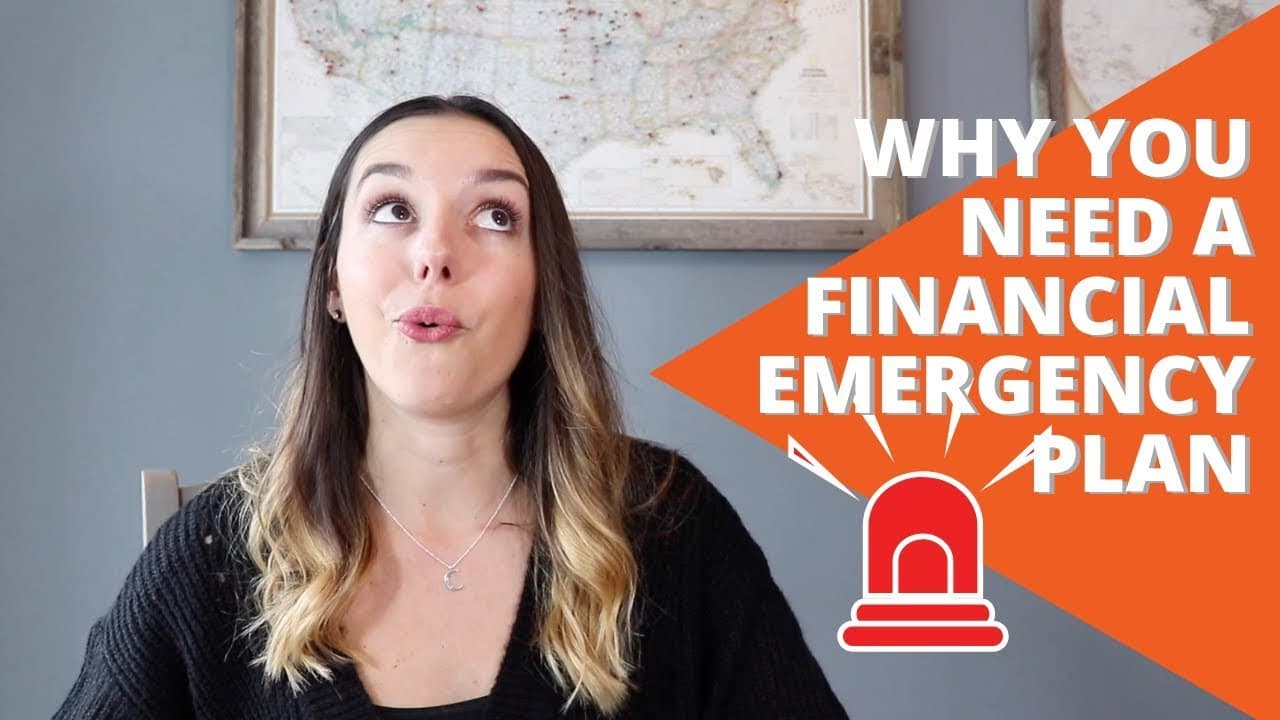
Why You Need A Financial Emergency Plan | My Friend Kelly Shares Her Story
TL;DR
A financial emergency plan provides savings and practical options when floods, lost vehicles, or other unexpected events disrupt your finances. After three floods damaged Kelly’s new home and both cars, she postponed her wedding and replaced a car costing over $500 per month with Uber rides that peaked at about $175 per month. Read on for the specific sacrifices and saving targets that helped her regain stability.
Transcript
now today I'm gonna be talking about something that's come up recently especially in the news financial emergencies hey guys it's Justine with Jeffry Millennials new channel for all things millennial money debt-free living this is the channel where I talk about budgeting how to get out of debt living a debt-free life so if you're into that be sure ... Read More
Key Insights
- 🚨 Financial emergencies can arise unexpectedly, causing significant financial strain.
- 💇 Making sacrifices, like postponing major events and cutting back on expenses, can help rebuild financial stability.
- 🍵 Building an emergency fund is crucial for handling unexpected expenses and reducing financial stress.
- 🌱 Having a solid financial plan in place for emergencies is essential for long-term financial security.
- 🥺 Sacrifices in the short term can lead to financial freedom and stability in the future.
- 🧑⚕️ Stress from financial difficulties can have a detrimental impact on overall health and well-being.
- 🆘 Planning and saving for emergencies can help individuals become financially fearless and prepared for any situation.
Install to Summarize YouTube Videos and Get Transcripts
Explore YouTube Video Summarizer or Get YouTube Transcript Extractor
Questions & Answers
Q: Why do you need a financial emergency plan?
Unexpected events can create expenses that insurance does not fully reimburse. Kelly and her fiancé faced three floods, damage to their garage and basement, the loss of both cars, and uncovered possessions, so savings and major spending changes became essential.
Q: What financial emergency did Kelly and her fiancé experience?
After buying a house in May 2017, they experienced a terrible flood in July and then two more floods. Their garage and basement were severely flooded, damaging boxed possessions, a new washer and dryer, the HVAC system, and both cars.
Q: Did insurance cover all of Kelly’s flood losses?
No. They had insurance and additional flood insurance, but it did not reimburse everything, particularly many items stored in the basement.
Q: How did existing savings help during the emergency?
Kelly’s fiancé, Kevin, had saved money during his younger years and could pay the insurance deductibles while they addressed the damage. Kelly had no savings account, which left her unable to contribute financially and motivated her to change her spending.
Q: What sacrifices did Kelly make after the floods?
Kelly and her fiancé postponed their September 2017 wedding even though about 75% of it had already been paid for. She also delayed replacing her flooded car, worked from home, used Uber, and borrowed Kevin’s car when possible.
Q: How much did Kelly save by using Uber instead of owning a car?
Her most expensive Uber month was about $175. Her previous car payment exceeded $500 per month before insurance, so delaying a replacement enabled her to save over $500 per month and sometimes nearly twice that amount.
Q: How did Kelly’s financial changes affect her recovery?
Saving more helped Kelly regain confidence, contribute more alongside Kevin, and feel like a better partner. After about a year and a half, she bought another car with a payment she considered more affordable while continuing to save.
Q: How much should someone save for financial emergencies?
Kelly’s advice is to begin with an emergency fund of at least $1,000. The longer-term target is enough money to cover six months of expenses, helping prepare for unexpected financial challenges.
Summary & Key Takeaways
-
Kelly recounts her financial emergency due to floods, losing possessions and two cars.
-
She and her fiance made sacrifices like postponing their wedding and cutting expenses to rebuild financially.
-
By prioritizing saving, making sacrifices, and having an emergency fund, Kelly regained financial stability and confidence for the future.
Read in Other Languages (beta)
Share This Summary 📚
Summarize YouTube Videos and Get Video Transcripts with 1-Click
Try YouTube Summary with ChatGPT & Claude or YouTube Transcript Generator
Explore More Summaries from Debt Free Millennials 📚




Summarize YouTube Videos and Get Video Transcripts with 1-Click
Try YouTube Summary with ChatGPT & Claude or YouTube Transcript Generator