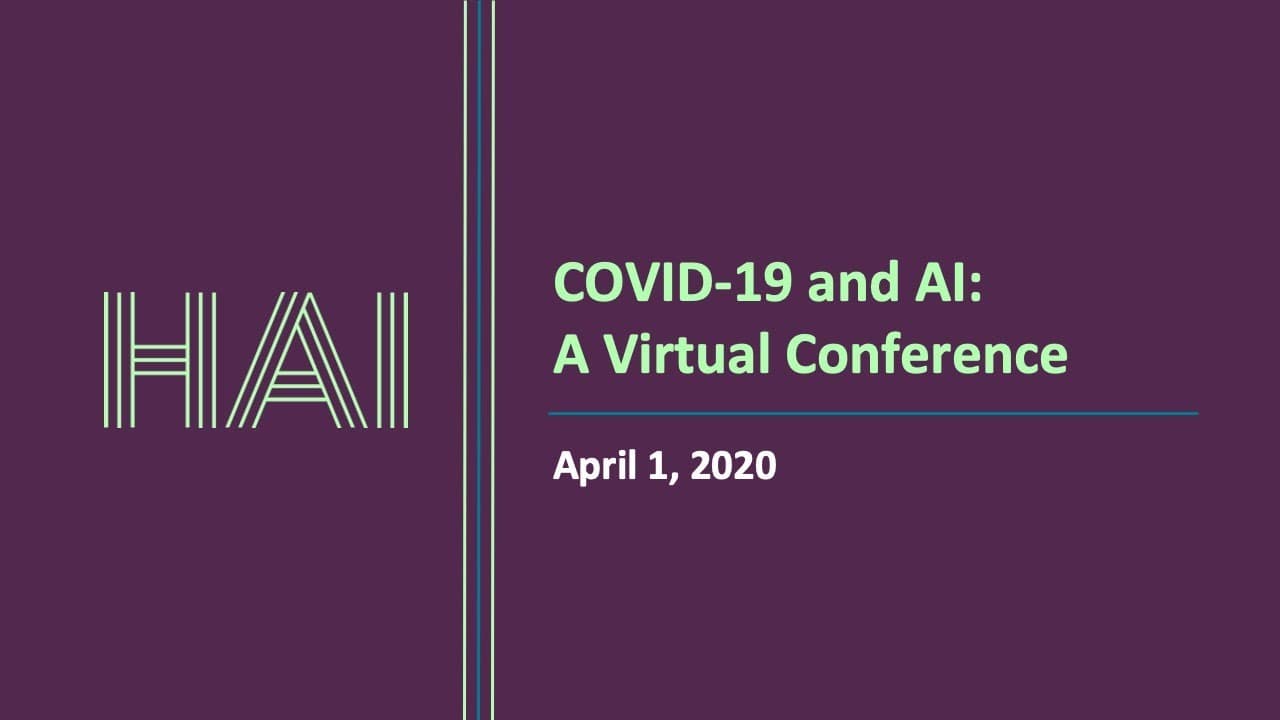
Stanford HAI - COVID-19 and AI: A Virtual Conference - Session Three
TL;DR
Advances in knowledge technology and AI are being used to address the challenges posed by the COVID-19 pandemic, including tracking the virus, improving telemedicine, analyzing social media data, and facilitating open science.
Transcript
Welcome to the third session of our conference, AI and COVID-19. This third session is entitled tracking the epidemic. We're going to talk about technologies that are being used or developed or imagined for tracking this epidemic. We've an exciting lineup of speakers and we're going to go right into it. The first speaker is Dr. Jason Wang. Jason is... Read More
Key Insights
- ❓ Advances in knowledge technology and AI are being harnessed to address the challenges of the COVID-19 pandemic.
- 🤗 Open science initiatives, such as VODAN, are crucial for facilitating collaboration and data sharing among researchers.
- 🐕🦺 Telemedicine platforms, like Curai, are leveraging AI and automation to increase the scale and accessibility of healthcare services.
- 🌍 Analyzing social media data provides valuable insights into the psychological impact of the pandemic and the need for social connection in a digital world.
Install to Summarize YouTube Videos and Get Transcripts
Explore YouTube Video Summarizer or Get YouTube Transcript Extractor
Questions & Answers
Q: How is CEDAR improving the accessibility and reusability of scientific data?
CEDAR offers an end-to-end solution for creating standardized metadata templates and annotations, making it easier to describe and search for scientific data. This improves the findability and usability of datasets, enhancing the ability to integrate and reuse data for research purposes.
Q: How is Curai leveraging AI and automation to enhance telemedicine?
Curai utilizes AI algorithms and automation to provide a comprehensive virtual healthcare solution. This includes automated diagnostic assessments, personalized daily follow-ups, and integration with existing healthcare systems. The platform is designed to scale and adapt to changing healthcare needs, improving accessibility and quality of care.
Q: How can analyzing social media data provide insights into the psychological impact of the pandemic?
By analyzing social media content, researchers can identify patterns and trends in public sentiment, anxiety levels, and social connection needs. This data can help inform strategies for supporting mental health, addressing unemployment concerns, and fostering social connection in the digital space.
Q: What is the goal of the Virus Outbreak Data Network (VODAN)?
VODAN aims to create fair and findable data repositories specifically for COVID-19 research. By using standardized metadata templates and controlled terminologies, VODAN improves the accessibility and interoperability of data, making it easier for researchers to find and use existing datasets in their work.
Summary & Key Takeaways
-
Knowledge technology platforms, such as CEDAR, are being utilized to improve the accessibility and reusability of scientific data, particularly in the context of COVID-19 research.
-
AI-powered telemedicine platforms, like Curai, are leveraging machine learning and automation to increase the scale and quality of virtual healthcare services.
-
Analyzing social media data, such as Twitter, provides insights into the psychological impact of the pandemic, including anxiety, unemployment, and the need for social connection in the digital space.
-
Open science efforts, including the Virus Outbreak Data Network (VODAN), are focused on creating fair and findable data repositories to facilitate research and collaboration in the fight against COVID-19.
Read in Other Languages (beta)
Share This Summary 📚
Summarize YouTube Videos and Get Video Transcripts with 1-Click
Try YouTube Summary with ChatGPT & Claude or YouTube Transcript Generator
Explore More Summaries from Stanford 📚





Summarize YouTube Videos and Get Video Transcripts with 1-Click
Try YouTube Summary with ChatGPT & Claude or YouTube Transcript Generator