What Are Super Earths and Can They Support Life?
TL;DR
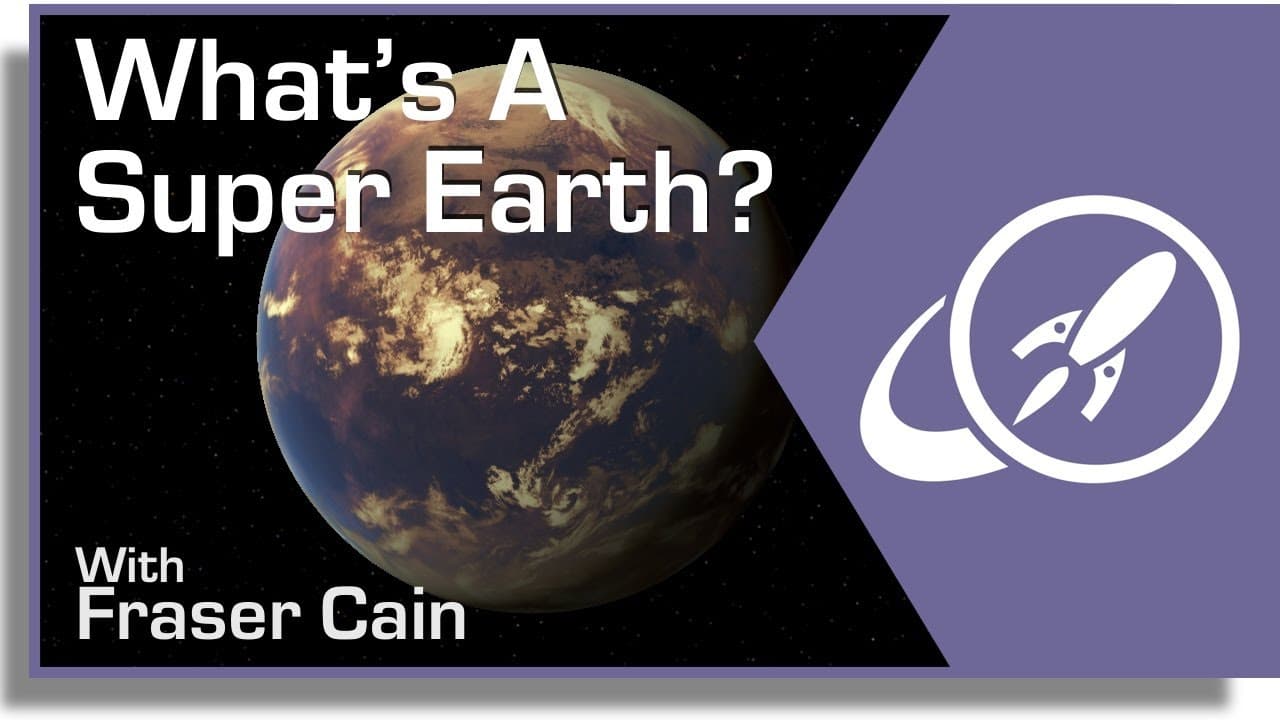
Super Earths are planets with more mass than Earth but less than Uranus or Neptune, often found in habitable zones where liquid water could exist. While they may support aquatic life due to buoyancy, the ability for land animals and plants to thrive depends heavily on the planet's gravity and atmospheric density, affecting their growth and development.
Transcript
The Universe is always surprising us with how little we know about... the Universe. It's continuously presenting us with stuff we never imagined, or even thought possible. The search for extrasolar planets is a great example. Since we started, astronomers have turned up over a thousand of them. These planets can be gigantic worlds with many times t... Read More
Key Insights
- 😮 Extrasolar planets continue to surprise astronomers with their diversity and potential habitability.
- 🤨 Super earths offer a unique range of compositions and conditions, raising questions about the viability of life.
- 💁 The gravity of super earths influences their potential to support various life forms and launch spacecraft.
- 🤩 Astronomers are actively searching for habitable super earths, such as those in the Gliese 581 and Kepler 11 star systems.
- 🌍 Discoveries like Gliese 581 c and Kepler 11-b highlight the complexities and possibilities of super earth planets.
- 💁 Differences in gravity on super earths could impact the growth and mobility of plants, animals, and potential intelligent life forms.
- 👾 The challenges of space exploration from a super earth underscore the limitations and possibilities for any inhabitants to explore beyond their planet.
Install to Summarize YouTube Videos and Get Transcripts
Explore YouTube Video Summarizer or Get YouTube Transcript Extractor
Questions & Answers
Q: What defines a super earth compared to other planets?
A super earth is a planet with more mass than Earth but less than gas giants like Uranus or Neptune, offering a range of compositions and potential habitability.
Q: How do the discoveries of Gliese 581 c and Kepler 11-b contribute to our understanding of super earths?
Gliese 581 c and Kepler 11-b are examples of potentially habitable super earths, showcasing the diversity and challenges these planets present for supporting life.
Q: What impact does gravity have on super earths, and how does it affect potential life forms?
Super earths with higher gravity levels could limit the growth of plants and animals, influencing their physiology and ability to thrive on land or in the air.
Q: Why is reaching space from a super earth more challenging, and what implications does this have for potential intelligent life?
The higher gravity of super earths makes launching spacecraft into orbit much more difficult, posing challenges for any potential intelligent life forms to explore beyond their planet.
Summary & Key Takeaways
-
Astronomers have found over a thousand extrasolar planets, ranging from massive gas giants to tiny planets smaller than Mercury.
-
Super earths are planets with more mass than Earth but less than Uranus or Neptune, potentially holding oceans and atmospheres.
-
The search for habitable super earths is ongoing, with discoveries such as Gliese 581 c and Kepler 11-b raising questions about life viability.
Read in Other Languages (beta)
Share This Summary 📚
Summarize YouTube Videos and Get Video Transcripts with 1-Click
Try YouTube Summary with ChatGPT & Claude or YouTube Transcript Generator
Explore More Summaries from Fraser Cain 📚




Summarize YouTube Videos and Get Video Transcripts with 1-Click
Try YouTube Summary with ChatGPT & Claude or YouTube Transcript Generator