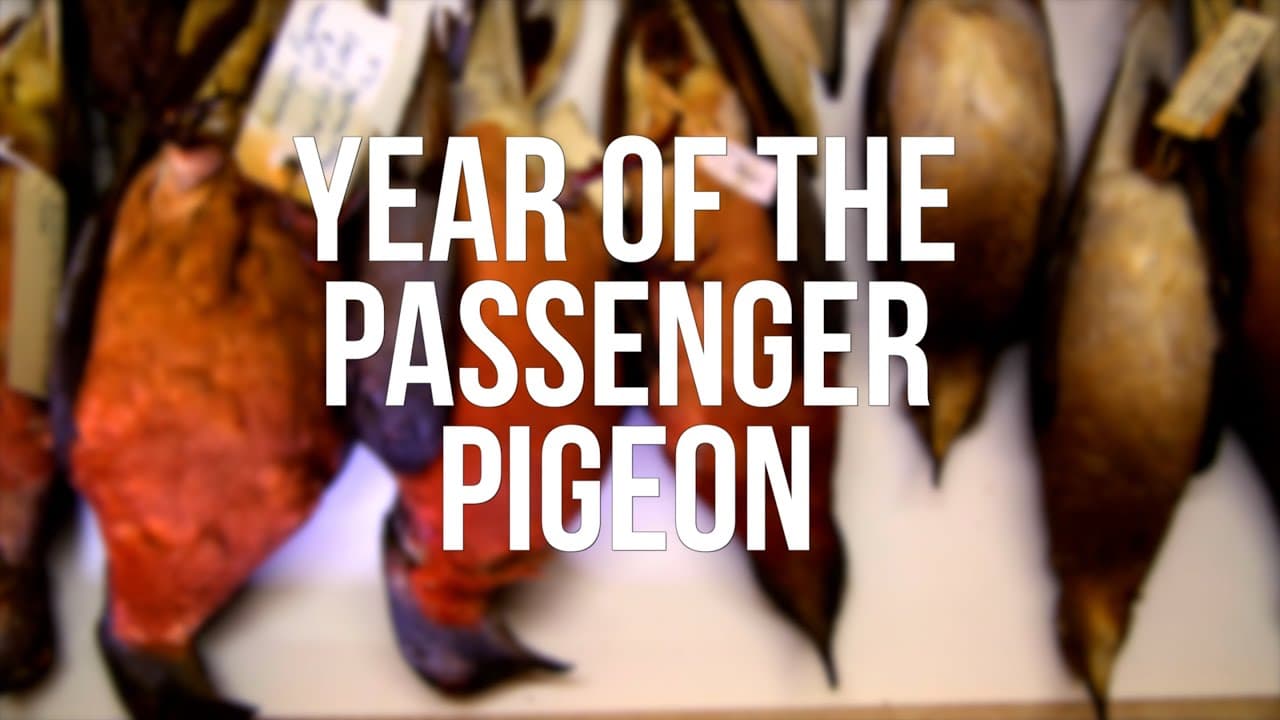
Year of the Passenger Pigeon
TL;DR
The Passenger Pigeon, once the most numerous bird species in history, faced relentless hunting and destruction of habitat, leading to its extinction in 1914.
Transcript
Centuries ago, a natural phenomena unlike any other was responsible for periodically blacking out the skies of North America. This overwhelming cloud of darkness often took hours, and even days to pass overhead and would leave destroyed crops and desiccated landscapes in its wake. These events weren’t tornadoes or rainstorms of the meteorological v... Read More
Key Insights
- 🐦 The Passenger Pigeon was once the most abundant bird species in the world, with a population of 3.7 billion.
- 🥺 Relentless hunting, exploitation, and destruction of their habitat led to the rapid decline of the Passenger Pigeon population.
- 💝 Conservation efforts were too late to save the species, serving as a reminder of our destructive potential.
- ❓ The story of the Passenger Pigeon should motivate proactive conservation efforts for other endangered species.
- 🌸 The extinction of the Passenger Pigeon highlights the need for effective regulation of commercial fishing to prevent the loss of other marine species.
- ✳️ Many other species are currently at risk of extinction, and proactive conservation measures are crucial.
- 🛟 The extinction of the Passenger Pigeon serves as a solemn warning of the consequences of human actions on biodiversity.
Install to Summarize YouTube Videos and Get Transcripts
Explore YouTube Video Summarizer or Get YouTube Transcript Extractor
Questions & Answers
Q: What caused the extinction of the Passenger Pigeon?
The extinction of the Passenger Pigeon was primarily caused by relentless hunting and the destruction of its habitat. The massive exploitation of the birds for economic gain led to their rapid decline.
Q: How did hunters capture large numbers of Passenger Pigeons?
Hunters used various methods to capture large numbers of Passenger Pigeons, including setting up nets to trap congregations of birds and employing a blinded Judas pigeon to attract others. Landowners even resorted to poisoning the pigeons to control their numbers.
Q: Did efforts to protect the Passenger Pigeon come too late?
Yes, conservation efforts to protect the Passenger Pigeon were not fueled by public support until it was almost too late. By the time conservation measures were taken, the population had already dwindled significantly.
Q: Should the Passenger Pigeon be revived from extinction?
The ethical question arises about reviving the Passenger Pigeon. While it could be technologically possible, the responsibility to do so after contributing to their extinction remains a subject of debate. Restoring their population to historic numbers could also have unforeseen consequences.
Summary & Key Takeaways
-
The Passenger Pigeon population once reached 3.7 billion in North America but rapidly declined due to hunting and habitat destruction.
-
Hunters and trappers exploited the pigeons for economic gain, leading to their overexploitation.
-
Despite conservation efforts being too late, the extinction of the Passenger Pigeon serves as a warning for the need to proactively protect other endangered species.
Read in Other Languages (beta)
Share This Summary 📚
Summarize YouTube Videos and Get Video Transcripts with 1-Click
Try YouTube Summary with ChatGPT & Claude or YouTube Transcript Generator
Explore More Summaries from thebrainscoop 📚






Summarize YouTube Videos and Get Video Transcripts with 1-Click
Try YouTube Summary with ChatGPT & Claude or YouTube Transcript Generator