Astronomy Cast 337: Photometry
TL;DR
Astronomy Cast episode discusses photometry techniques for studying variable stars, galaxies, and more in astronomy.
Transcript
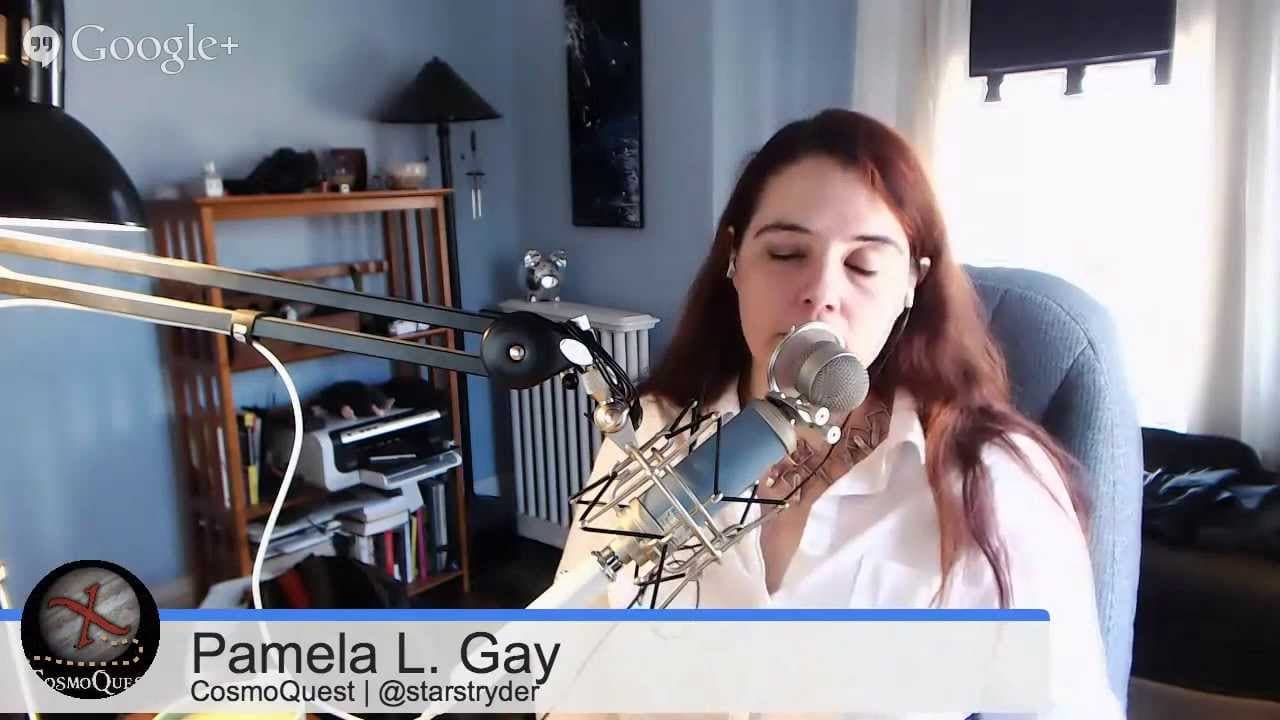
welcome to behind the scenes this is what we talk about um okay so uh for those of you who have no idea what you have stumbled into youve stumbled into an episode of astronomy cast episode 337 we're going to be talking about photometry today did I say that right photometry photometry pH photometry photometry photometry um so we'll take about half a... Read More
Key Insights
- 🤩 Photometry is a valuable tool for astronomers to study changes in brightness, enabling insights into various cosmic objects like variable stars and galaxies.
- 🤩 Amateur astronomers can perform photometry using CCD cameras, telescopes, filters, and software tools to gather data on objects like exoplanets and variable stars.
- 🖐️ Citizen science contributions play a significant role in astronomy, supporting research efforts like photometry analysis and data interpretation.
- 🧑🏫 Cosmo Academy offers advanced courses taught by experienced astronomers, providing enthusiasts with opportunities to deepen their understanding of astrobiology, cosmology, and other astronomy topics.
- 📤 X-ray imaging in astronomy requires specialized equipment and setups due to atmospheric limitations, posing challenges for both amateur and professional astronomers.
Install to Summarize YouTube Videos and Get Transcripts
Explore YouTube Video Summarizer or Get YouTube Transcript Extractor
Questions & Answers
Q: How does photometry help astronomers study variable stars and galaxies?
Photometry enables astronomers to measure changes in brightness, identify variables stars, study galaxy structures, and assess characteristics like temperature, composition, and evolutionary stages of celestial objects.
Q: What equipment and software are needed for amateur astronomers to conduct photometry?
Amateur astronomers can use CCD cameras, telescopes, filters, and specialized software tools like MaxIm DL to perform photometry on variable stars, exoplanets, and other cosmic objects in their backyard observatories.
Q: Can amateur astronomers take X-ray images using their equipment?
Unfortunately, X-ray imaging requires sophisticated setups, as X-ray light doesn't easily gather or focus, making it challenging for amateur astronomers due to atmospheric limitations.
Q: What are some upcoming courses at Cosmo Academy, and why is it beneficial for astronomy enthusiasts?
Cosmo Academy offers in-depth courses on astrobiology, cosmology, and planetary geology, taught by working PhD astronomers, providing a unique opportunity for enthusiasts to expand their knowledge and engage with experts.
Summary & Key Takeaways
-
Astronomy Cast Episode 337 delves into the concept of photometry in astronomy, focusing on observing and studying various celestial objects.
-
Photometry allows astronomers to analyze brightness variations in objects like variable stars, galaxies, and more to gain insights into their characteristics and behavior.
-
The episode also touches on the applications of photometry in different astronomical research areas and highlights the significance of citizen science contributions.
Read in Other Languages (beta)
Share This Summary 📚
Summarize YouTube Videos and Get Video Transcripts with 1-Click
Try YouTube Summary with ChatGPT & Claude or YouTube Transcript Generator
Explore More Summaries from Fraser Cain 📚


Summarize YouTube Videos and Get Video Transcripts with 1-Click
Try YouTube Summary with ChatGPT & Claude or YouTube Transcript Generator