How to Address Google Webmaster Issues
TL;DR
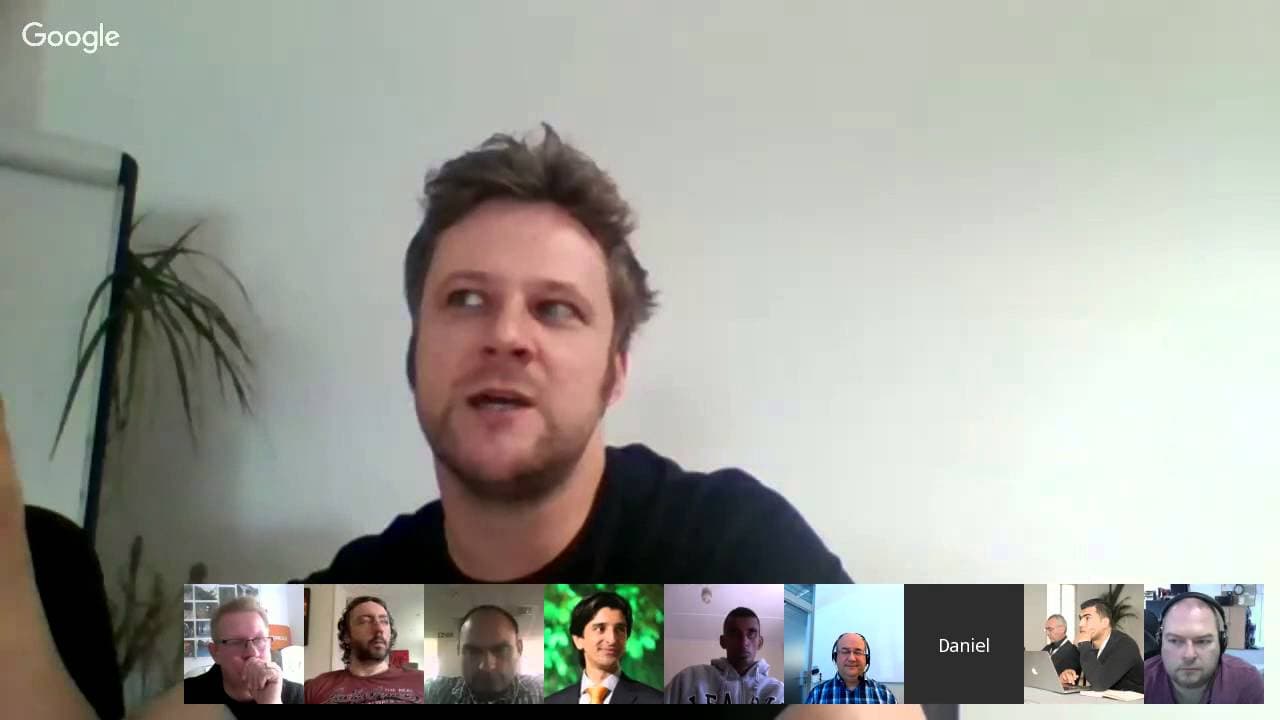
John Mueller from Google discusses common webmaster issues during a Google Webmaster Central Office Hours Hangout. Topics include handling redirects, optimizing JavaScript sites for indexing, managing link profiles, and understanding Search Console data. He emphasizes the importance of using canonical tags, nofollow for affiliate links, and improving overall site quality for better search performance.
Transcript
JOHN MUELLER: All right. Welcome everyone to today's Google Webmasters Central Office Hours Hangout. My name is John Mueller. I am a webmaster trends analyst here at Google in Switzerland. And part of what we do is talk with webmasters and publishers like the ones here in the Hangout today. Maybe before we get started with any of the questions, is ... Read More
Key Insights
- Google can better understand JavaScript sites now, but they aren't fully equivalent to static HTML.
- Using the disavow tool removes problematic links from Google's consideration.
- Affiliate links should be marked with nofollow to prevent PageRank flow.
- Canonical tags help Google understand duplicate content and should be used properly.
- Google Search Console data is derived from the same sources used for ranking, though some data may be filtered.
- 301 redirects to the homepage can be seen as soft 404s if not handled properly.
- Rich snippets depend on site quality; improving content can help regain them.
- Citing authoritative content doesn't inherently boost a site's ranking.
Install to Summarize YouTube Videos and Get Transcripts
Explore YouTube Video Summarizer or Get YouTube Transcript Extractor
Questions & Answers
Q: How does Google handle JavaScript sites?
Google has improved its ability to understand and index JavaScript sites, but they are not yet equivalent to static HTML pages. Webmasters should avoid using fragment URLs for navigation and ensure that Googlebot can fetch and render pages properly using Search Console tools. JavaScript sites should be easily renderable for better indexing and ranking.
Q: What is the impact of using the disavow tool?
The disavow tool removes problematic links from Google's consideration, which can affect rankings if those links were previously supporting the site. Removing unnatural or spammy links is crucial to avoid negative impacts on the website. Disavowed links are no longer counted towards the site's link profile, which can lead to changes in rankings.
Q: How should affiliate links be handled?
Affiliate links should be marked with nofollow to prevent PageRank from flowing through them. This applies even if the affiliate part is added via JavaScript. If there's any monetary exchange involved with the links, using nofollow is recommended. Google's webspam team generally understands these situations and doesn't penalize sites with a few such links.
Q: What role do canonical tags play?
Canonical tags help Google understand which version of a page should be indexed when there are duplicates. They guide search engines to the preferred URL, consolidating signals like link equity. Proper use of canonical tags is essential for managing duplicate content and ensuring the correct pages are indexed and ranked.
Q: Is Search Console data reliable?
Search Console data is derived from the same sources used for ranking, though some data may be filtered for privacy reasons. While it provides a close representation of how Google indexes and ranks sites, some discrepancies can occur due to data aggregation and filtering of less frequently used queries.
Q: How should redirects be handled during site mergers?
Redirecting all pages to a homepage during a site merger can lead to soft 404s, which may result in Google dropping those pages from the index. It's better to redirect to equivalent pages when possible. If a page no longer exists, it's sometimes better to show a 404 page with alternative suggestions rather than redirecting to a generic page.
Q: Do rich snippets affect search rankings?
Rich snippets do not directly affect search rankings, but they can enhance the appearance of search results, potentially increasing click-through rates. If rich snippets are not showing, it may be due to the overall quality of the site. Improving content quality and ensuring technical correctness of markup can help regain them.
Q: Does citing authoritative content improve site ranking?
Citing authoritative content and linking to it does not inherently improve a site's ranking. While it can add value to the content and enhance user experience, Google's ranking algorithms do not automatically boost a site's authority based on outbound links to reputable sources.
Summary & Key Takeaways
-
Google's improved understanding of JavaScript sites allows better indexing, but they still aren't on par with static HTML. Proper use of canonical tags is crucial for managing duplicate content, and affiliate links should be nofollowed to avoid passing PageRank. Understanding Search Console data is key, as it reflects Google's indexing practices, though some data may be filtered for privacy.
-
Handling redirects effectively is essential, especially during site mergers. Redirecting all pages to a homepage can lead to soft 404s, impacting indexing. Google advises against relying solely on citing authoritative content for ranking improvements. Instead, focus on enhancing overall site quality and user experience.
-
John Mueller emphasizes the importance of using the disavow tool to manage link profiles and avoid penalties. Rich snippets depend on site quality, not technical setup alone. Improving content quality can help regain them. Google is working on features to better track AMP and voice search data in Search Console.
Read in Other Languages (beta)
Share This Summary 📚
Summarize YouTube Videos and Get Video Transcripts with 1-Click
Try YouTube Summary with ChatGPT & Claude or YouTube Transcript Generator
Explore More Summaries from Google Search Central 📚

Summarize YouTube Videos and Get Video Transcripts with 1-Click
Try YouTube Summary with ChatGPT & Claude or YouTube Transcript Generator