What Are the Legal Issues Surrounding NFTs?
TL;DR
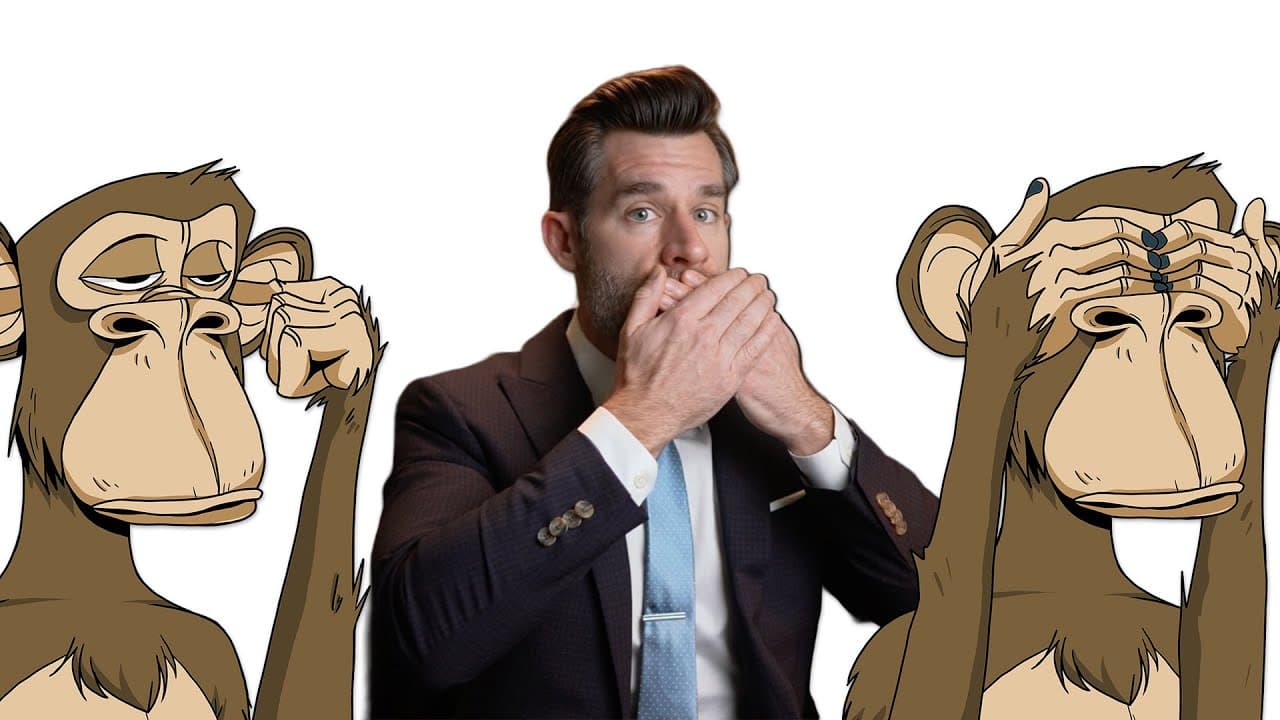
NFTs raise significant legal challenges related to contracts, copyright, and consumer protection. They often lack enforceable terms between buyers and sellers, leading to ownership disputes and potential violations of copyright law. Additionally, regulatory risks and market manipulation further complicate the NFT landscape, highlighting the need for clarity in contract terms and rights associated with these digital assets.
Transcript
- [Devin] Are NFTs a scam or are they the next big thing? Legally speaking, it's a question between Uber and Theranos. Uber was able to sidestep regulation to become a billion dollar company, and basically is interwoven into the fabric of society. Whereas Theranos tried to fake it until they made it, but they ran up against physics and biology and ... Read More
Key Insights
- 😀 NFTs face legal challenges related to contracts, copyright, consumer protection, and securities regulation.
- 🖤 On-chain problems include enforceability of terms, lack of privity between buyers and sellers, and potential copyright violations.
- 🗯️ Off-chain issues involve ensuring rights to mint NFTs, market manipulation, regulatory risks, and ownership disputes.
- 🛄 NFTs offer marginal improvements to existing technology but may not revolutionize industries as claimed.
- 👁️🗨️ Collectible NFTs are susceptible to speculative bubbles, misinformation, and questionable market practices.
- 🗯️ Consumer protection, contract clarity, intellectual property rights, and regulatory compliance are crucial considerations for NFT buyers and creators.
Install to Summarize YouTube Videos and Get Transcripts
Explore YouTube Video Summarizer or Get YouTube Transcript Extractor
Questions & Answers
Q: What is an NFT?
NFT stands for Non-Fungible Token, which represents a unique item or asset on a blockchain, often associated with digital artwork or collectibles.
Q: Do NFTs replace copyright law?
No, NFTs are subject to copyright law. While some NFTs may include limited licenses to use or view copyrighted material, owning an NFT does not grant ownership of the copyright itself.
Q: How do NFTs impact consumer protection?
NFTs can raise consumer protection issues, such as false promises from sellers, lack of clear contract terms, potential fraud, and market manipulation. Buyers need to be aware of their rights and terms of use for NFTs.
Q: Could NFTs be classified as securities?
Some NFTs may be considered securities under the Howey Test if they offer investment opportunities and are dependent on the efforts of others for profits. The classification depends on the specific features and regulations of each NFT.
Q: What are the potential risks for creators using NFTs?
NFTs present potential liabilities for creators, including contract disputes, ownership rights, product liabilities, and regulatory compliance. It is important for creators to understand the legal and contractual implications of minting NFTs.
Summary & Key Takeaways
-
NFTs are non-fungible tokens that represent unique items or assets on a blockchain. They are often associated with digital artwork, collectibles, and other digital assets.
-
NFTs have on-chain problems, such as enforceability of contract terms, lack of privity between buyers and sellers, and potential copyright issues.
-
Off-chain problems include ensuring rights to mint NFTs, issues of digital provenance, market manipulation, and regulatory risks.
-
NFTs offer marginal innovations in certain industries but are not a revolutionary solution. The speculative nature of collectible NFTs may lead to a burst of the market bubble.
Read in Other Languages (beta)
Share This Summary 📚
Summarize YouTube Videos and Get Video Transcripts with 1-Click
Try YouTube Summary with ChatGPT & Claude or YouTube Transcript Generator
Explore More Summaries from LegalEagle 📚

Summarize YouTube Videos and Get Video Transcripts with 1-Click
Try YouTube Summary with ChatGPT & Claude or YouTube Transcript Generator