How Does Google Handle SEO and Webmaster Queries?
TL;DR
Google's John Mueller addresses various webmaster questions, covering topics like SSL certificates, hreflang implementation, and the impact of click data on search rankings. He emphasizes the importance of quality content and technical optimization, advising against manipulating metrics artificially.
Transcript
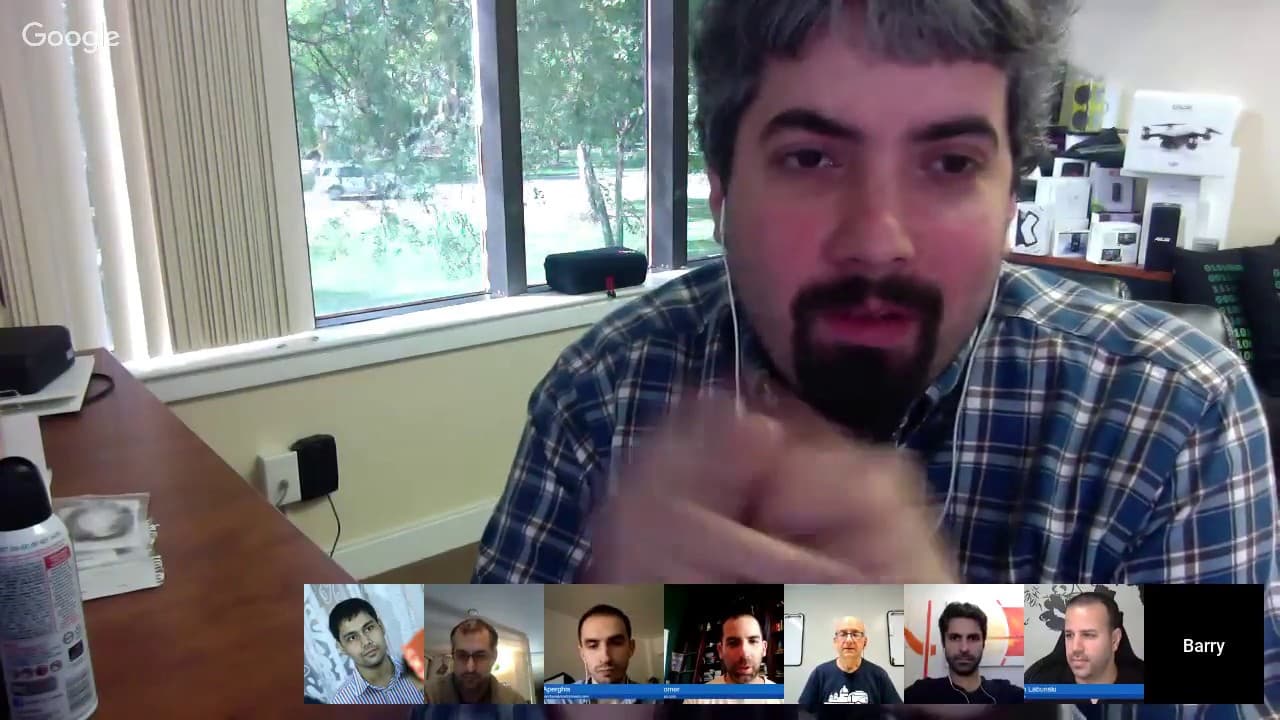
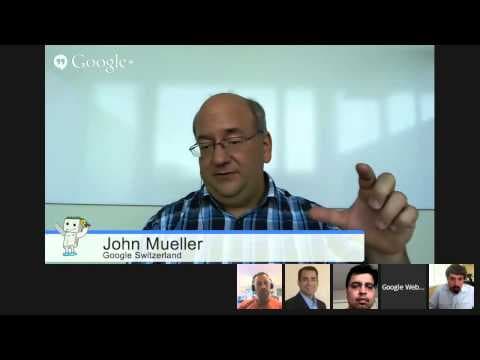
JOHN MUELLER: All right. Welcome everyone, to today's Webmaster Central Office Hours Hangouts. My name is John Mueller. I'm a webmaster trends analyst here at Google in Switzerland. And part of what we do are these Office Hours Hangouts, with a bunch of interesting and interested webmasters and publishers in the audience here, live. And 80 some peo... Read More
Key Insights
- SSL certificates are treated equally if valid and accepted by modern browsers.
- Hreflang tags help Google show the correct language version of a page to users.
- Google does not use click data directly for ranking but evaluates algorithms with it.
- Quality content and user experience are crucial for search performance.
- Google's mobile-first indexing may use the AMP version if no mobile version exists.
- Structured data must be relevant to the page's primary content for rich results.
- Google uses multiple signals and algorithms to rank pages; no single factor dominates.
- Spam reports help improve algorithms but are not manually reviewed in all cases.
Install to Summarize YouTube Videos and Get Transcripts
Explore YouTube Video Summarizer or Get YouTube Transcript Extractor
Questions & Answers
Q: How does Google treat different SSL certificates?
Google treats all valid SSL certificates equally, as long as they are accepted by modern browsers. This means there is no ranking advantage for using a high-cost certificate over a free one. The primary concern is that the certificate is valid and trusted by browsers.
Q: What is the role of hreflang tags in SEO?
Hreflang tags are used to indicate the language and regional targeting of a webpage. They help Google show the correct language version of a page to users based on their location and language preferences. This is especially useful for websites with content in multiple languages.
Q: Does Google use click data for ranking?
Google does not use click data directly for ranking websites. Instead, click data is used to evaluate the effectiveness of search algorithms. It helps Google understand how users interact with search results and refine the algorithms accordingly.
Q: What should webmasters focus on for better search performance?
Webmasters should focus on creating high-quality, relevant content that provides a good user experience. Technical optimization, such as proper use of structured data and ensuring mobile-friendliness, is also important. Artificially manipulating metrics, like user engagement, is discouraged.
Q: How does Google's mobile-first indexing work with AMP pages?
In Google's mobile-first indexing, if a website does not have a mobile version but has an AMP version, Google may use the AMP version for indexing. This means the AMP version should be equivalent to the desktop version in terms of content and functionality.
Q: Why might structured data not appear in search results?
Structured data may not appear in search results if it is not relevant to the page's primary content or if Google's algorithms are unsure about the website's quality. It's important to ensure structured data is correctly implemented and relevant to the content on the page.
Q: How does Google handle spam reports?
Google does not manually review all spam reports but uses them to improve its algorithms. Reports that highlight significant issues may be manually reviewed and acted upon. The goal is to address spammy practices algorithmically across the web rather than on a case-by-case basis.
Q: Are there specific ranking factors that dominate Google's algorithm?
Google's ranking algorithm uses a variety of signals, and no single factor dominates. The importance of different signals can vary based on the query, user context, and other factors. This means webmasters should focus on overall quality and relevance rather than optimizing for specific factors.
Summary & Key Takeaways
-
John Mueller discusses how Google treats SSL certificates, confirming that all valid certificates are seen equally by Google. He explains the use of hreflang tags in ensuring the correct language version is shown to users and clarifies that click data is not used directly in ranking but helps evaluate algorithm effectiveness.
-
Mueller advises webmasters to focus on quality content and user experience. He suggests using structured data relevant to the page's primary content for better search performance. He also notes that Google's mobile-first indexing may use AMP pages if no mobile version is available.
-
Regarding spam reports, Mueller explains that while not all are manually reviewed, they help improve Google's algorithms. He emphasizes that Google's ranking system uses a variety of signals, and no single factor is the key to success.
Read in Other Languages (beta)
Share This Summary 📚
Summarize YouTube Videos and Get Video Transcripts with 1-Click
Try YouTube Summary with ChatGPT & Claude or YouTube Transcript Generator
Explore More Summaries from Google Search Central 📚


Summarize YouTube Videos and Get Video Transcripts with 1-Click
Try YouTube Summary with ChatGPT & Claude or YouTube Transcript Generator