Housing Prices Have Stuck The Fed in a “No Landing” Situation
TL;DR
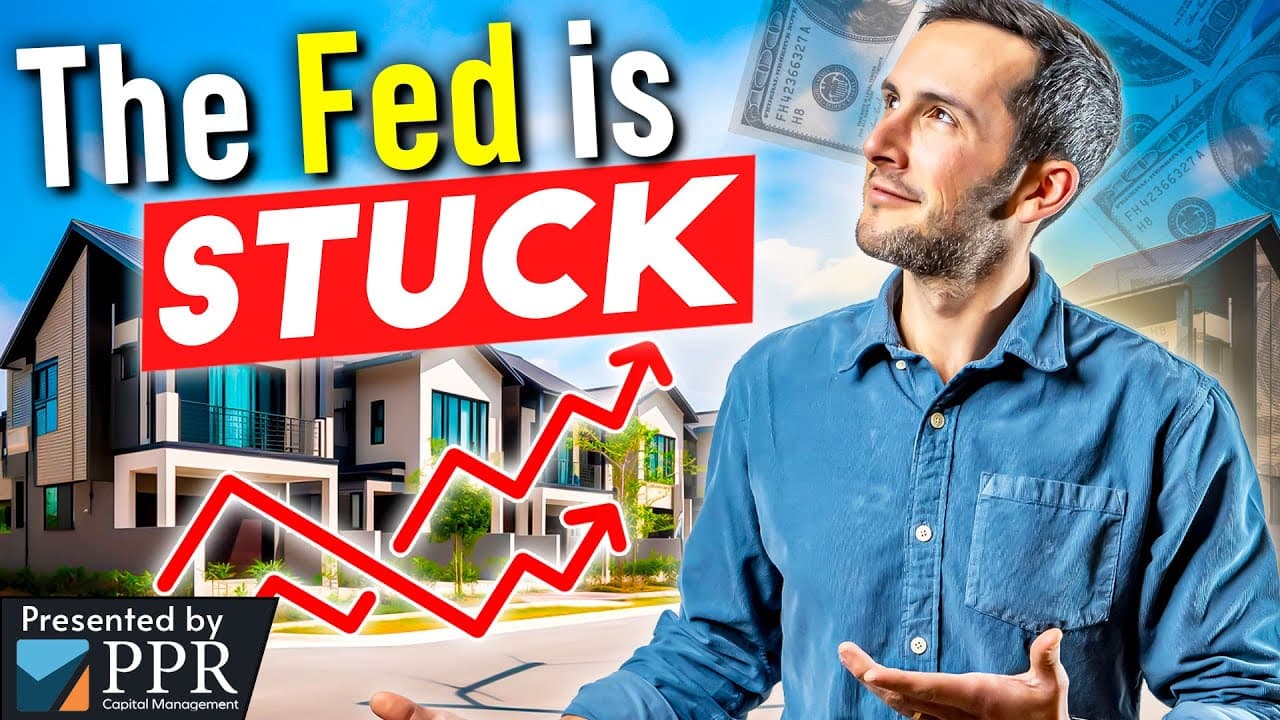
Housing prices complicate Fed's inflation and rate decisions.
Transcript
we as a country and particularly as a finance Community seem to be completely unable to stop talking about the Federal Reserve and what they're going to do next and there's pretty good reason for this first and foremost because they have an enormous impact on the entire global economy but also despite years of trying they've been unable to achieve ... Read More
Key Insights
- The Federal Reserve aims to control inflation while maintaining employment, targeting a 2% inflation rate without causing a recession.
- Current economic conditions are described as a 'no landing' situation, with ongoing high inflation and GDP growth preventing a clear outcome.
- Housing, particularly 'shelter' inflation, significantly impacts overall inflation, making it crucial for the Fed's rate decisions.
- The government's method of tracking 'shelter' inflation includes rent and owner's equivalent rent, both of which have been trending downward.
- Private sector data suggests that rent growth has peaked and is now flat or negative, indicating potential future declines in government-reported inflation.
- Inflation is described as a 'whack-a-mole' situation, with different sectors experiencing inflationary pressures at different times.
- The Fed may consider cutting rates if GDP continues to decline and inflation trends towards the 2% target, even if not yet achieved.
- The fight against inflation and potential rate cuts are likely to extend into 2025, keeping the economy in a 'no landing' zone.
Install to Summarize YouTube Videos and Get Transcripts
Explore YouTube Video Summarizer or Get YouTube Transcript Extractor
Questions & Answers
Q: What is the 'no landing' situation described in the content?
The 'no landing' situation refers to the current economic state where the economy has not achieved a 'soft landing' or 'hard landing.' Inflation remains high, and GDP growth is low, preventing a clear resolution. This ongoing uncertainty complicates the Federal Reserve's efforts to manage inflation and maintain employment.
Q: How does housing impact the Federal Reserve's inflation targets?
Housing, particularly 'shelter' inflation, is a significant component of overall inflation. The Fed closely monitors this category because it heavily influences the total inflation number. Controlling housing costs is crucial for the Fed to achieve its 2% inflation target, which is essential for making informed interest rate decisions.
Q: What is the difference between government and private sector rent data?
Government rent data, including 'owner's equivalent rent,' often lags due to its methodology and annual lease changes. In contrast, private sector data, such as from Zillow or rent.com, reflects more current trends. These sources indicate that rent growth peaked earlier and has since stabilized or decreased, suggesting future declines in reported inflation.
Q: Why is inflation described as a 'whack-a-mole' situation?
Inflation is likened to 'whack-a-mole' because different economic sectors experience inflationary pressures at different times. As one category's inflation subsides, another may rise, creating a cycle of fluctuating inflation rates. This unpredictability makes it challenging for the Federal Reserve to maintain stable inflation across the economy.
Q: What might influence the Federal Reserve to cut interest rates?
The Federal Reserve may consider cutting interest rates if GDP continues to decline and inflation trends towards the 2% target, even if not yet achieved. This decision would depend on the overall economic trajectory and the Fed's assessment of inflation's direction, balancing the need for economic growth with inflation control.
Q: What challenges does the Federal Reserve face in managing the economy?
The Federal Reserve faces the challenge of controlling inflation without causing a recession, known as achieving a 'soft landing.' High housing costs and unpredictable inflation across sectors complicate this task. Additionally, the lag in government data reporting adds uncertainty, making it difficult to make timely and effective policy decisions.
Q: How does the lag in government data affect economic policy decisions?
The lag in government data, particularly in tracking 'shelter' inflation, affects economic policy decisions by providing outdated information. This delay can lead to misinformed policy actions, as the current economic conditions may differ from what the data suggests. Timely and accurate data is crucial for effective policy-making by the Federal Reserve.
Q: What is the potential outlook for inflation and interest rates in 2025?
The potential outlook for inflation and interest rates in 2025 remains uncertain. The Federal Reserve may cut rates if inflation trends towards the 2% target, but ongoing economic challenges suggest that the fight against inflation will extend into 2025. The economy may continue in a 'no landing' zone, with fluctuating inflation and cautious rate adjustments.
Summary & Key Takeaways
-
The Federal Reserve is navigating a complex economic landscape, attempting to manage inflation without triggering a recession. Housing prices, a major component of inflation, are crucial to their strategy. Current data shows a 'no landing' situation, with high inflation and low GDP growth complicating decisions.
-
Government data shows a lag in reporting 'shelter' inflation, but private sector data indicates that rent growth has stabilized or decreased. This suggests potential future declines in reported inflation, impacting the Fed's decisions on interest rates and economic policy.
-
Inflation remains unpredictable, with different sectors experiencing varying pressures. The Fed may cut rates if GDP declines and inflation trends positively, but this economic uncertainty is expected to persist into 2025, maintaining the 'no landing' situation.
Read in Other Languages (beta)
Share This Summary 📚
Summarize YouTube Videos and Get Video Transcripts with 1-Click
Try YouTube Summary with ChatGPT & Claude or YouTube Transcript Generator
Explore More Summaries from BiggerPockets 📚






Summarize YouTube Videos and Get Video Transcripts with 1-Click
Try YouTube Summary with ChatGPT & Claude or YouTube Transcript Generator