The History of (Video) Games
TL;DR
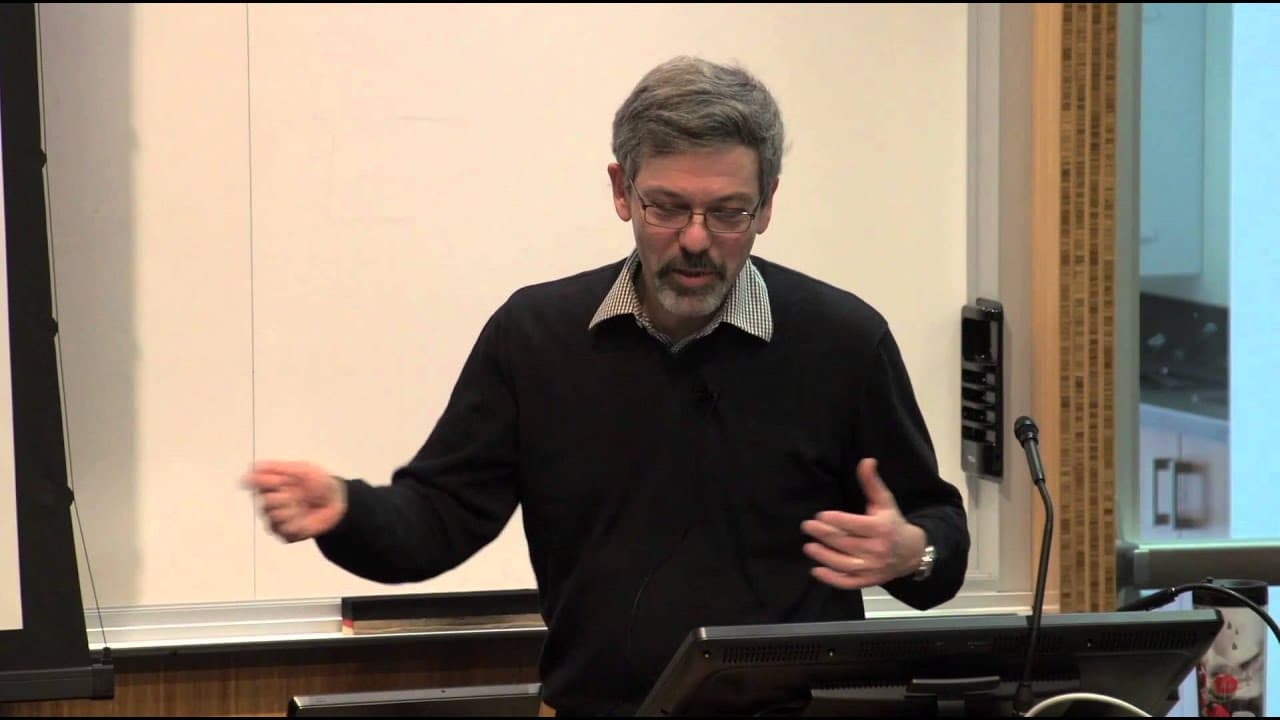
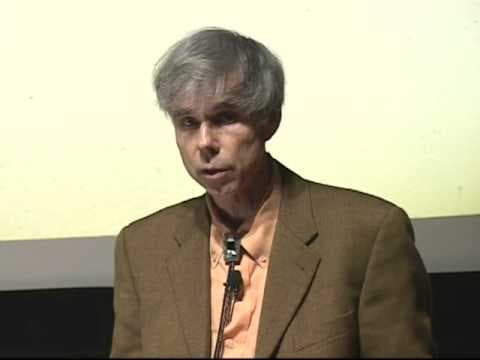
This speaker discusses the challenges of preserving and providing access to historical software and proposes three different perspectives: the historian, the media archaeologist, and the reenactor.
Transcript
now let me introduce today's speaker we're very fortunate uh Henry lwood who has a PHD in history of Science and Technology and is currently the curator uh for the history science technology film and media collection here at Stanford it's a very long title so he's responsible obviously for a lot and so Henry has been involved with games for a very ... Read More
Key Insights
- 💝 Software preservation has been a concern since the late 1970s, with organizations recognizing the importance of preserving software as a collection object.
- 🔉 Different perspectives on software preservation include the historian, media archaeologist, and reenactor, each with their own focus and objectives.
- 💻 The lure of the screen emphasizes surface properties of software, while the lure of the authentic experience seeks to recreate historical interactions with software.
- 🖐️ Documentation plays a crucial role in understanding historical software, but there are debates about whether documentation can replace the need for an actual executable.
Install to Summarize YouTube Videos and Get Transcripts
Explore YouTube Video Summarizer or Get YouTube Transcript Extractor
Questions & Answers
Q: When did libraries, archives, and museums begin to consider software as a collection object?
In the late 1970s, organizations like CBI and the American Federation of Information Processing Societies recognized the need to preserve software as an important part of our recent history.
Q: What are the different perspectives on software preservation presented in the content?
The speaker discusses three perspectives: the historian, who focuses on narrative mimesis; the media archaeologist, who emphasizes playback and the machine; and the reenactor, who seeks an authentic experience.
Q: What is the lure of the screen in software preservation?
The lure of the screen refers to the focus on surface properties of software, such as graphics and audio, as the measure of successful preservation. However, this approach overlooks the importance of software abstraction levels and the underlying machine operations.
Q: How does the role of documentation differ from that of an executable in software preservation?
Documentation plays a crucial role in providing context and understanding for historical software, while an executable allows for an authentic experience. The speaker raises the question of whether documentation can replace the need for an executable or if both are necessary.
Summary & Key Takeaways
-
The speaker discusses the history of considering software as a collection object in libraries, archives, and museums, starting in the late 1970s.
-
Three different perspectives on software preservation and historical documentation are presented: the historian, who focuses on narrative mimesis; the media archaeologist, who emphasizes playback and the machine; and the reenactor, who seeks an authentic experience.
-
The speaker explores the lures of the screen, the authentic experience, and the executable in software preservation, and raises questions about the role of documentation in preserving software history.
Read in Other Languages (beta)
Share This Summary 📚
Summarize YouTube Videos and Get Video Transcripts with 1-Click
Try YouTube Summary with ChatGPT & Claude or YouTube Transcript Generator
Explore More Summaries from Stanford 📚


Summarize YouTube Videos and Get Video Transcripts with 1-Click
Try YouTube Summary with ChatGPT & Claude or YouTube Transcript Generator