On the origins of translation studies
TL;DR
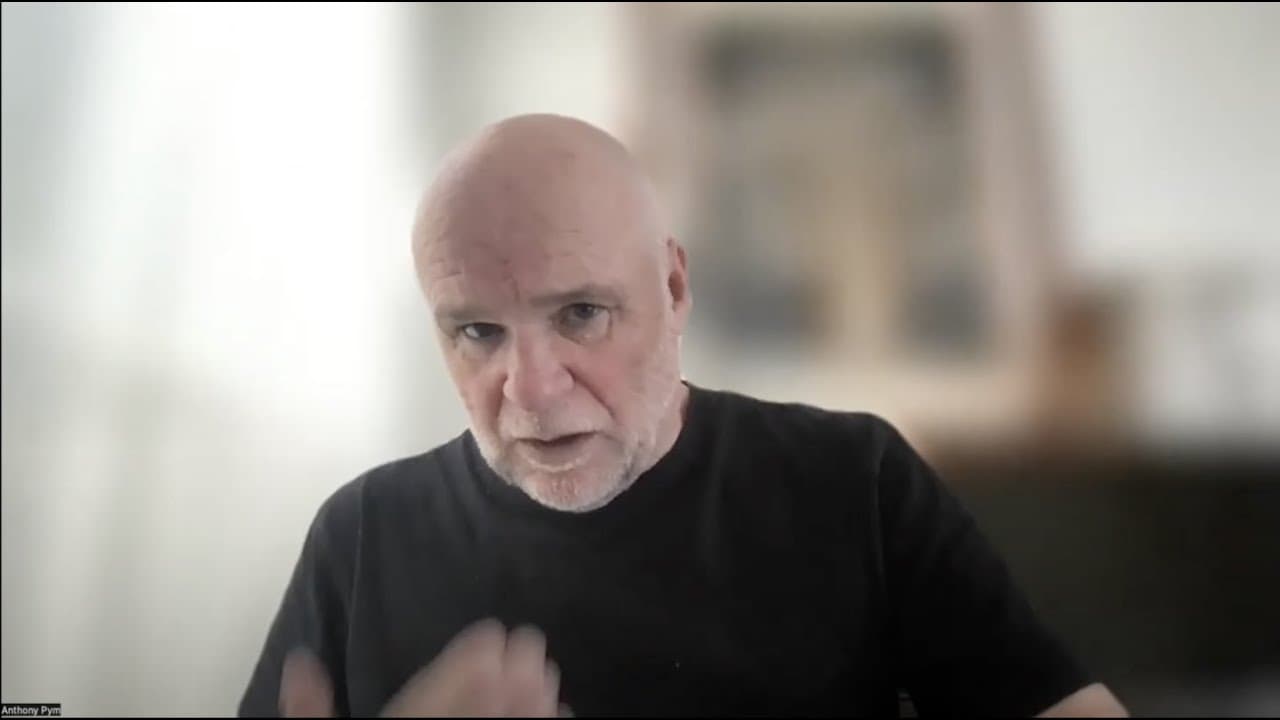
The content discusses the origins of translation studies as an academic discipline, highlighting different points of reference and challenging the idea of a single foundation. It also addresses critiques of Western-centric narratives and advocates for a more inclusive and diverse approach to translation studies.
Transcript
I want to talk briefly about the origins of translation studies as an academic discipline. That's what I think that phrase means: "translation studies" names an academic discipline. I'm doing so in 2022, actually on the last day of 2022, because it marks out 50 years from 1972 and James Holmes's paper "The Name and Nature of Translation S... Read More
Key Insights
- 😥 The origins of translation studies as an academic discipline are complex and varied, with multiple potential points of reference.
- 🇪🇭 Western-centric narratives in translation studies often marginalize and exclude knowledge and practices from non-Western cultures.
- 👷 The construction of foundational myths in translation studies serves to position oneself and establish institutions rather than representing historical accuracy.
- 🥳 Translation studies should strive to be more inclusive, diverse, and receptive to knowledge from different parts of the world.
- #️⃣ The focus on numbers and quantifiable measures can oversimplify the complexities and nuances of translation studies.
- 🌐 The critique of Western-centric narratives in translation studies highlights the need to challenge hegemonic discourses and acknowledge the contributions of the global South.
- 🤑 Translation studies should seek to incorporate diverse perspectives and knowledge to foster a richer and more comprehensive understanding of translation as a practice and academic discipline.
Install to Summarize YouTube Videos and Get Transcripts
Explore YouTube Video Summarizer or Get YouTube Transcript Extractor
Questions & Answers
Q: What is translation studies?
Translation studies is an academic discipline that focuses on the theory, practice, and cultural implications of translation and interprets the role of translation in different contexts.
Q: What are some potential origins of translation studies?
The content mentions multiple potential origins, including James Holmes's 1972 paper, the 1958 Fourth Congress of Slavists in Moscow, and the discussion of translation of Buddhist sutras in China.
Q: What is the Western-centric narrative of translation studies?
The Western-centric narrative refers to the dominant perspective that positions Western translation studies as the foundation and disregards the contributions and knowledge from other parts of the world, particularly the global South.
Q: What is the critique of Western-centric narratives in translation studies?
The critique argues that Western-centric narratives perpetuate hegemony, ignore diverse knowledge from non-Western cultures, and hinder the recognition of translation practices and theories developed outside of Western academia.
Q: How does the content advocate for a more inclusive and diverse approach to translation studies?
The content emphasizes the importance of incorporating different perspectives, voices, and knowledge from various parts of the world into translation studies. It calls for openness to plural origins, encourages challenging Western-centric narratives, and promotes a more heterogeneous field of research.
Summary & Key Takeaways
-
The content explores the origins of translation studies as an academic discipline, challenging the idea of a single point of reference and highlighting multiple potential origins.
-
It discusses the Western-centric perspective of translation studies, acknowledging alternative points of departure mentioned in non-English versions of Wikipedia.
-
The content emphasizes the role of positioning and self-interest in constructing foundational myths and institutions in translation studies.
-
It introduces a critical review of the Western narrative of translation studies by Brian Baer, addressing his critique of Western hegemony and calling for a more heterogeneous and inclusive field of translation studies.
Read in Other Languages (beta)
Share This Summary 📚
Summarize YouTube Videos and Get Video Transcripts with 1-Click
Try YouTube Summary with ChatGPT & Claude or YouTube Transcript Generator
Explore More Summaries from Anthony Pym 📚
Summarize YouTube Videos and Get Video Transcripts with 1-Click
Try YouTube Summary with ChatGPT & Claude or YouTube Transcript Generator