Mastering Forex: Key Strategies and Analysis Explained
TL;DR
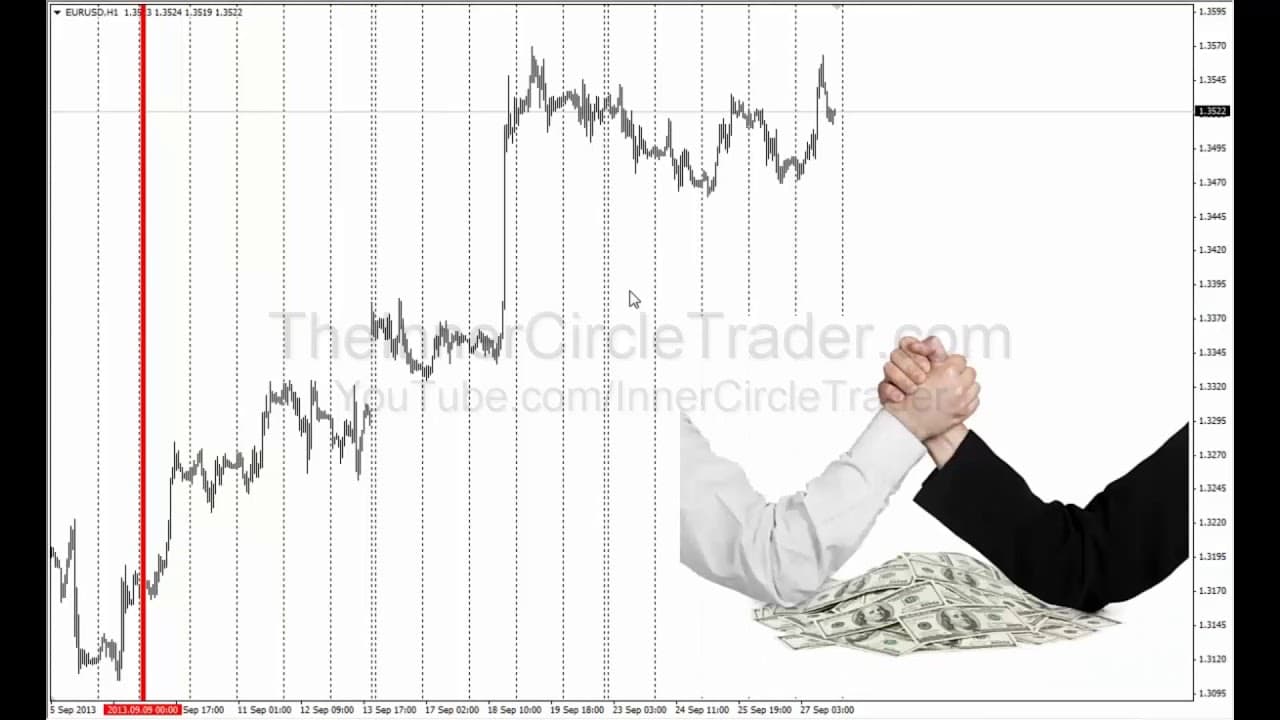
This video offers an essential guide to forex trading by emphasizing market structure, order flow, and the influence of institutional trading. Key concepts include the ICT kill zones, directional bias, and the impact of interest rates, all aimed at helping traders identify high-probability setups. Focus on strategic trading during optimal time windows for improved results.
Transcript
okay folks welcome to the inner circle traders scout sniper field guide episode 4 we're gonna be discussing basic infantry in this module and what specifically will be be covering in this presentation well we're gonna be looking at a review of the previous episode assignment stalking in the kill zone we're gonna be looking a... Read More
Key Insights
- The video discusses the importance of understanding market structure and order flow to identify high-probability trade setups.
- It emphasizes the significance of institutional sponsorship and how large players influence market movements.
- The concept of ICT kill zones is introduced, focusing on specific time windows for optimal trading opportunities.
- The video highlights the importance of directional bias and using higher time frames for a broader market perspective.
- It explains how consolidations can present trading opportunities and the role of institutional order blocks.
- The video stresses the need for a predetermined trading plan and understanding when not to trade.
- It discusses the impact of interest rates on forex markets and how they can drive currency movements.
- The video encourages traders to focus on high-probability setups rather than chasing every market move.
Install to Summarize YouTube Videos and Get Transcripts
Explore YouTube Video Summarizer or Get YouTube Transcript Extractor
Questions & Answers
Q: What is the ICT kill zone?
The ICT kill zone refers to specific time windows during the trading day when market activity is higher, providing optimal opportunities for traders to enter or exit positions. These periods are strategically chosen based on historical data and market behavior to maximize the probability of successful trades.
Q: How does institutional sponsorship affect trading?
Institutional sponsorship refers to the influence large financial institutions have on market movements. These entities trade in large volumes, leaving a significant footprint in the market. Understanding their actions and following their lead can provide traders with insights into potential market directions and high-probability trade setups.
Q: Why is directional bias important in trading?
Directional bias is crucial because it aligns a trader's strategy with the prevailing market trend, increasing the likelihood of successful trades. By analyzing higher time frames, traders can determine the overall market direction and focus on trades that move with the trend, rather than against it.
Q: What role do interest rates play in forex trading?
Interest rates significantly impact forex markets as they influence the flow of capital between countries. Higher interest rates attract foreign investment, leading to currency appreciation, while lower rates can weaken a currency. Traders can use interest rate trends to anticipate currency movements and adjust their strategies accordingly.
Q: How can consolidations present trading opportunities?
Consolidations occur when the market trades within a narrow range, indicating potential accumulation or distribution by large players. These periods can precede significant price movements, offering traders opportunities to enter trades before a breakout. Analyzing consolidations can help traders anticipate future price directions.
Q: What is the significance of a predetermined trading plan?
A predetermined trading plan provides structure and discipline, helping traders avoid impulsive decisions and emotional trading. It outlines specific criteria for entering and exiting trades, risk management strategies, and conditions under which trades should not be taken. A well-defined plan increases consistency and reduces the likelihood of significant losses.
Q: Why is patience emphasized in trading?
Patience is emphasized because it allows traders to wait for high-probability setups and avoid unnecessary trades that could lead to losses. By being patient, traders can focus on quality over quantity, ensuring that each trade aligns with their strategy and market analysis, ultimately leading to more consistent and profitable results.
Q: How can traders use higher time frames for analysis?
Higher time frames provide a broader perspective on market trends and help identify significant support and resistance levels. By analyzing daily, weekly, or monthly charts, traders can determine the overall market direction and align their trades with the prevailing trend, increasing the likelihood of success. This approach also helps filter out market noise present in lower time frames.
Summary & Key Takeaways
-
The video provides a detailed guide on forex trading, focusing on market structure, order flow, and institutional influence. It introduces the concept of ICT kill zones and emphasizes the importance of directional bias and higher time frame analysis.
-
Key topics include the significance of institutional sponsorship, the role of interest rates in forex markets, and how consolidations can present trading opportunities. The video stresses the need for a predetermined trading plan and understanding when not to trade.
-
Traders are encouraged to focus on high-probability setups rather than chasing every market move, with an emphasis on patience and strategic trading within specific time windows for optimal results.
Read in Other Languages (beta)
Share This Summary 📚
Summarize YouTube Videos and Get Video Transcripts with 1-Click
Try YouTube Summary with ChatGPT & Claude or YouTube Transcript Generator
Explore More Summaries from The Inner Circle Trader 📚

Summarize YouTube Videos and Get Video Transcripts with 1-Click
Try YouTube Summary with ChatGPT & Claude or YouTube Transcript Generator