How to Detect and Treat Cancer with Genomics

TL;DR
Cancer genomics is crucial for early detection and treatment. By analyzing mutations in cancer cells, researchers can identify critical genetic changes that drive cancer progression. This approach helps in understanding cancer heterogeneity, improving prognosis, and developing personalized therapies. Techniques like organoids and sensitive mutation detection in blood offer promising avenues for future cancer treatment advancements.
Transcript
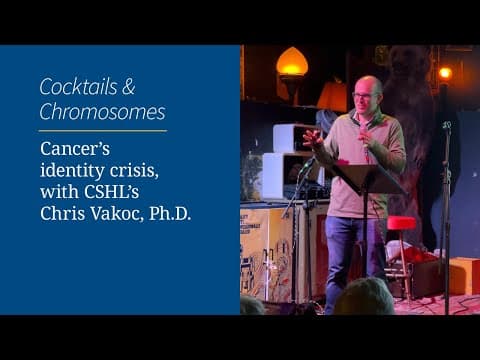
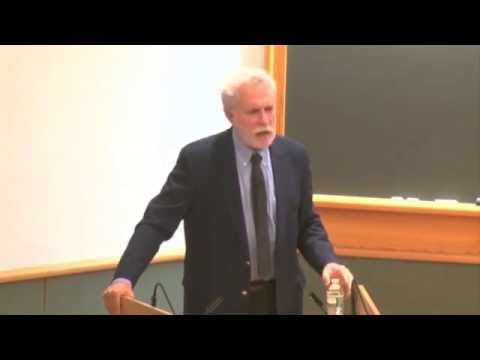
(audience clapping) - Thank you, well, yes, Sydney said, I don't do public speaking that often. I think this is the second time in about two years, two or three years, anyway. What am I going to talk about? Well, I'm not going to talk about just my lab's work. I'm gonna try to give you some, actually talk about what interests me in cancer, where I ... Read More
Key Insights
- Cancer is driven by mutations, which are critical for its malignancy.
- Genomics can aid in cancer treatment, risk assessment, and detection.
- Cancers are not monolithic; they consist of heterogeneous sub-clones.
- Organoids can be used for testing drug responses outside the body.
- Mutations can serve as indicators for cancer risk assessment.
- High mutation rates in cancers can alert the immune system.
- Detecting cancer mutations in blood can help in early metastasis detection.
- Sensitive mutation detection can guide surgical and therapeutic decisions.
Install to Summarize YouTube Videos and Get Transcripts
Explore YouTube Video Summarizer or Get YouTube Transcript Extractor
Questions & Answers
Q: How does cancer genomics aid in treatment?
Cancer genomics helps identify mutations that drive cancer progression, enabling targeted therapies. By understanding the genetic changes in cancer cells, researchers can develop drugs that specifically inhibit these mutations. This personalized approach can improve treatment efficacy and reduce side effects by focusing on the unique genetic profile of an individual's cancer.
Q: What is the role of organoids in cancer research?
Organoids are three-dimensional cell cultures derived from cancer cells that mimic the tumor's structure and function. They allow researchers to test the effectiveness of various drugs on cancer cells outside the body. This method helps identify which treatments are most effective for specific cancer sub-clones, paving the way for personalized cancer therapies.
Q: Why is cancer heterogeneity important in treatment?
Cancer heterogeneity refers to the presence of different sub-clones within a tumor, each with distinct genetic mutations. This diversity can lead to varied responses to treatment, making it challenging to eradicate all cancer cells. Understanding heterogeneity helps in designing treatment plans that target multiple sub-clones, increasing the likelihood of successful cancer therapy.
Q: How can mutations indicate cancer risk?
Mutations in cancer cells can serve as biomarkers for assessing cancer risk. Specific patterns of mutations, such as high mutation rates or particular structural changes, can indicate the aggressiveness of a cancer. By analyzing these patterns, clinicians can better predict the cancer's behavior and tailor treatment plans accordingly.
Q: What is the significance of detecting cancer mutations in blood?
Detecting cancer mutations in blood, known as liquid biopsy, provides a non-invasive way to monitor cancer progression and detect metastasis early. This method allows for the detection of circulating tumor DNA, which can indicate the presence of cancer cells in the body. Early detection through liquid biopsy can lead to timely interventions and improved patient outcomes.
Q: How does the immune system interact with cancer mutations?
The immune system can recognize and target cancer cells that present abnormal proteins due to mutations. High mutation rates in cancer can lead to the production of abnormal proteins that serve as immunogenic targets, alerting the immune system to the presence of cancer. Immunotherapies aim to enhance this natural immune response to effectively combat cancer.
Q: What challenges exist in using genomics for cancer treatment?
One major challenge is the complexity of cancer mutations, as tumors often have numerous mutations, making it difficult to identify which are critical for malignancy. Additionally, the heterogeneity of cancer cells within a tumor can lead to varied treatment responses. Developing methods to accurately detect and target these mutations is essential for effective cancer treatment.
Q: How can sensitive mutation detection improve cancer surgery outcomes?
Sensitive mutation detection can reveal whether cancer cells remain after surgery, allowing for more precise surgical interventions. By identifying residual cancer cells through blood or tissue samples, surgeons can ensure complete removal of the tumor. This approach reduces the risk of recurrence and improves the overall success rate of cancer surgeries.
Summary & Key Takeaways
-
Cancer research focuses on identifying mutations that drive malignancy. Genomics plays a significant role in treatment, risk assessment, and early detection. Understanding cancer heterogeneity is crucial, as different sub-clones may respond differently to therapies.
-
Organoids, derived from cancer cells, allow researchers to test drug responses in a controlled environment. This method offers a promising avenue for developing personalized cancer treatments by understanding how different sub-clones react to various therapies.
-
Detecting mutations in the blood can provide early indications of metastasis, even before it becomes radiologically evident. This sensitive detection method can inform surgical and therapeutic decisions, potentially improving patient outcomes by addressing cancer spread at an earlier stage.
Read in Other Languages (beta)
Share This Summary 📚
Summarize YouTube Videos and Get Video Transcripts with 1-Click
Try YouTube Summary with ChatGPT & Claude or YouTube Transcript Generator
Explore More Summaries from Cold Spring Harbor Laboratory 📚
Summarize YouTube Videos and Get Video Transcripts with 1-Click
Try YouTube Summary with ChatGPT & Claude or YouTube Transcript Generator