First Steps in Training a Leash-Reactive German Shepherd
TL;DR
Training Kai to overcome leash reactivity with foundational techniques.
Transcript
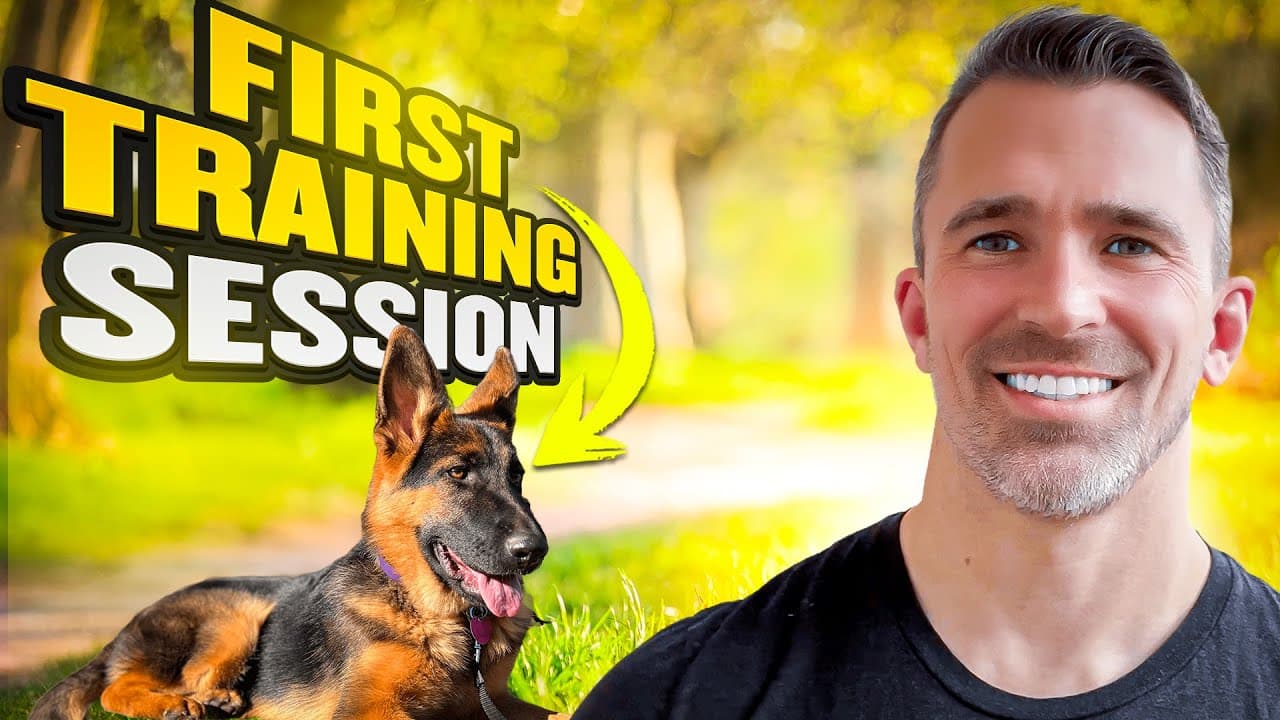
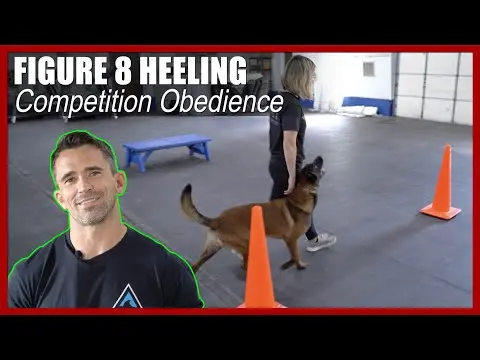
this is Kai she is a young seven-month-old German Shepherd puppy that's being trained for service work now she's here because she's having some issues being a little leash reactive so that's something we're going to want to work on her owner's been training her since she was 8 weeks of age so she has a really nice Foundation but I have to make sure... Read More
Key Insights
- Kai is a young German Shepherd in training for service work, facing challenges with leash reactivity that need addressing.
- The training emphasizes establishing communication through markers, luring, and leash pressure to ensure effective learning.
- Building a strong bond and trust with the dog is crucial for successful training and overcoming behavioral issues.
- The trainer conducts flow sessions without commands to enhance engagement and make training enjoyable for the dog.
- Ensuring the dog is comfortable in new environments before training is essential to avoid associating discomfort with obedience.
- Reward placement is strategically used to encourage the dog to stay close and perform desired behaviors consistently.
- The training progresses from simple exercises to more challenging environments as the dog demonstrates understanding and success.
- The video provides a roadmap for addressing leash reactivity, focusing on communication, environment adaptation, and reward strategies.
Install to Summarize YouTube Videos and Get Transcripts
Explore YouTube Video Summarizer or Get YouTube Transcript Extractor
Questions & Answers
Q: How does the trainer address Kai's leash reactivity?
The trainer addresses Kai's leash reactivity by establishing clear communication channels using markers, luring, and leash pressure. These techniques help Kai understand the desired behaviors and reduce reactivity. The training involves building a strong bond and ensuring Kai is comfortable in new environments to prevent associating discomfort with obedience.
Q: What is the significance of flow sessions in Kai's training?
Flow sessions are crucial in Kai's training as they enhance engagement without using commands. These sessions help build a strong bond between the trainer and Kai, making training enjoyable. By focusing on fun positional exercises, the trainer encourages Kai to move and respond positively, laying a solid foundation for more structured training.
Q: Why is reward placement important in dog training?
Reward placement is important in dog training because it encourages the dog to perform desired behaviors consistently. By strategically placing rewards close to the trainer, the dog learns to stay close and engage effectively. This technique helps reinforce positive behaviors and ensures the dog associates rewards with correct actions, enhancing training outcomes.
Q: How does the trainer ensure Kai is comfortable in new environments?
The trainer ensures Kai is comfortable in new environments by spending time building a bond and allowing her to explore and play before starting formal training. This approach prevents Kai from associating obedience with discomfort, making her more receptive to training. Comfort in new settings is crucial for effective learning and behavioral improvement.
Q: What are the key techniques used in Kai's training?
Key techniques in Kai's training include markers, luring, and leash pressure. Markers help Kai predict rewards, while luring guides her through desired positions. Leash pressure teaches Kai to respond to cues without tension. These techniques, combined with flow sessions and strategic reward placement, form a comprehensive approach to address leash reactivity.
Q: How does the trainer progress Kai's training?
The trainer progresses Kai's training by starting with simple exercises in familiar environments and gradually introducing more challenging settings as she demonstrates understanding. This step-by-step approach ensures Kai builds confidence and adapts to new situations, ultimately reducing leash reactivity and enhancing her service work capabilities.
Q: Why is establishing communication channels important in dog training?
Establishing communication channels is vital in dog training because it ensures the dog understands the trainer's expectations. Techniques like markers and luring create a shared language, making it easier for the dog to learn and respond to cues. Effective communication helps address behavioral issues and fosters a positive training experience.
Q: What is the overall goal of the training session with Kai?
The overall goal of the training session with Kai is to address her leash reactivity and enhance her service work capabilities. By focusing on communication, environment adaptation, and strategic reward placement, the trainer aims to build a strong bond, ensure comfort in new settings, and guide Kai through a comprehensive training roadmap for improved behavior.
Summary & Key Takeaways
-
Kai, a seven-month-old German Shepherd, is being trained for service work but struggles with leash reactivity. The training focuses on establishing communication channels using markers, luring, and leash pressure. Building a strong bond and ensuring comfort in new environments are emphasized for effective training.
-
The trainer conducts flow sessions with Kai, avoiding commands to enhance engagement. Reward placement is strategically used to encourage close proximity and consistent performance. The training progresses from simple exercises to more challenging environments, aiming to address leash reactivity and improve walking experiences.
-
The video offers a comprehensive roadmap for overcoming leash reactivity, highlighting the importance of communication, adapting to environments, and strategic reward placement. By the end, viewers gain insights into enhancing their dog's training and tackling common behavioral challenges effectively.
Read in Other Languages (beta)
Share This Summary 📚
Summarize YouTube Videos and Get Video Transcripts with 1-Click
Try YouTube Summary with ChatGPT & Claude or YouTube Transcript Generator
Explore More Summaries from Nate Schoemer 📚


Summarize YouTube Videos and Get Video Transcripts with 1-Click
Try YouTube Summary with ChatGPT & Claude or YouTube Transcript Generator