New high vacuum system
TL;DR
This content showcases the process of building a vacuum cart for physical vapor deposition and its various applications.
Transcript
hey everyone I thought I'd show you my latest project this is a new vacuum cart that I'm building and eventually I plan to do physical vapor deposition inside there so with a really high current heater you can evaporate materials in a vacuum and then have the materials solidify on a flat surface so my ultimate goal here is to either optical coating... Read More
Key Insights
- 🤸 Building a vacuum cart using a wooden cart and a thick aluminum plate offers ease of construction and structural stability.
- 🦭 Properly sized glands for sealing the diffusion pump are essential for achieving effective vacuum seals.
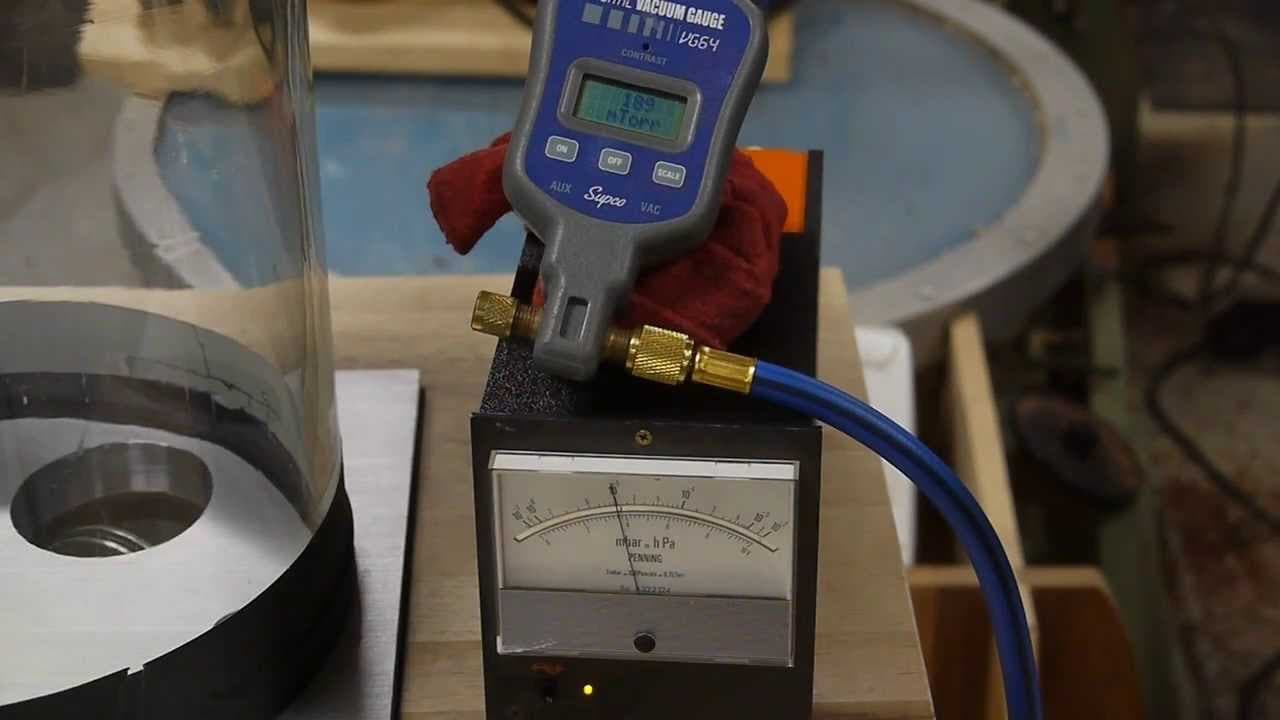
- 🎚️ A penning gauge is used to measure vacuum levels, providing insight into the effectiveness of the vacuum system.
- 🤔 Vacuum carts can enable a range of applications, including physical vapor deposition, optical coatings, thin film transistors, and sample preparation for scanning electron microscopes.
- 👱 The diffusion pump operates by spraying air molecules out of the chamber using an oil jet, creating a vacuum through momentum transfer.
- 💦 Water chillers can be used to maintain optimal temperatures during the vacuum process.
- 🍽️ Machining an aluminum plate involves cutting holes and creating support points, showcasing the process's potential for further tutorial content.
Install to Summarize YouTube Videos and Get Transcripts
Explore YouTube Video Summarizer or Get YouTube Transcript Extractor
Questions & Answers
Q: What is the purpose of a vacuum cart for physical vapor deposition?
A vacuum cart allows for the creation of a high vacuum environment where materials can be evaporated and deposited onto a flat surface, enabling applications like optical coatings and thin film transistors.
Q: Why was a wooden cart chosen instead of a metal one?
Working with wood is easier for drilling and offers looser tolerances. However, if a cheap and reliable local source of metal carts was available, the creator would have used those instead.
Q: What are the benefits of using a thick aluminum plate for the cart?
A thick plate enables drilling blind holes, tapping them, and using them as support points without going through the material. This provides stability and structural strength to the vacuum cart.
Q: How is the vacuum level measured?
The vacuum level is measured using a penning gauge, which has been refurbished in a previous video, and it reads from around 10^(-7) to 10^(-3) millibar.
Summary & Key Takeaways
-
The content demonstrates the construction of a vacuum cart using a wooden IKEA cart and a thick aluminum plate.
-
The vacuum cart is designed for physical vapor deposition, optical coatings, thin film transistors, and sample preparation for scanning electron microscopes.
-
The process involves machining the aluminum plate, creating a gland for sealing the diffusion pump, and connecting a penning gauge to measure vacuum levels.
Read in Other Languages (beta)
Share This Summary 📚
Summarize YouTube Videos and Get Video Transcripts with 1-Click
Try YouTube Summary with ChatGPT & Claude or YouTube Transcript Generator
Explore More Summaries from Applied Science 📚
Summarize YouTube Videos and Get Video Transcripts with 1-Click
Try YouTube Summary with ChatGPT & Claude or YouTube Transcript Generator