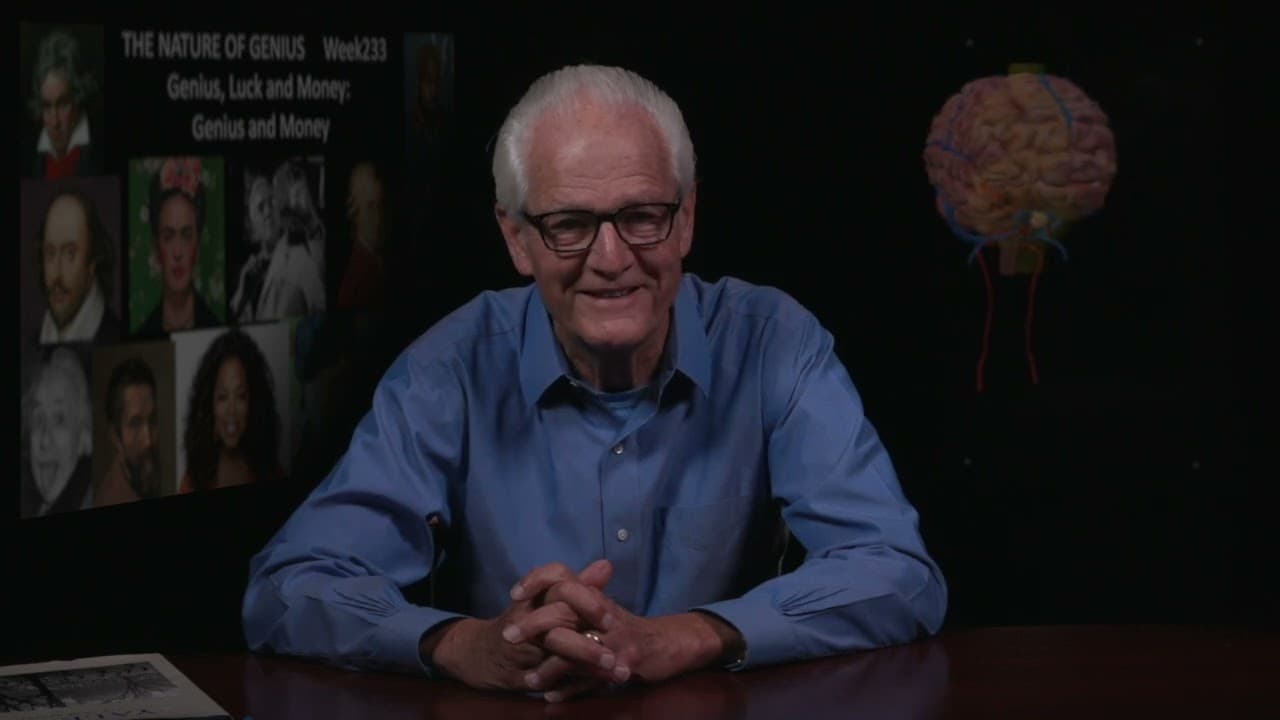
Nature of Genius 233 Genius and Money
TL;DR
Geniuses are rarely starving; in fact, money often plays a significant role in their success.
Transcript
in 1891 Nikola Tesla voluntarily gave away patents worth millions of dollars to George Westinghouse so that both could pursue Tesla's dream to power America with Tesla's AC induction motor and electrical generator about the same time Tesla's Nemesis Thomas Edison declared quote I measure everything I Do by the size of the silver dollar shortly befo... Read More
Key Insights
- ❓ Geniuses who make a significant impact are often not financially struggling but may accumulate significant wealth.
- 💦 Authors like Louisa May Alcott recognized the value of retaining copyright and profiting from their work.
- 🤑 Albert Einstein and Marie Curie had complex relationships with money, making decisions that blended ethics and financial considerations.
- 🤑 Money can provide a measure of self-worth and confidence to geniuses, as it signifies that others believe in the value of their work.
- 🌍 Capital is often necessary for geniuses to bring about significant changes in the world, as recognized by figures like Mahatma Gandhi.
Install to Summarize YouTube Videos and Get Transcripts
Explore YouTube Video Summarizer or Get YouTube Transcript Extractor
Questions & Answers
Q: Were famous geniuses like Michelangelo and Mozart actually struggling financially?
No, both Michelangelo and Mozart accumulated significant wealth during their lifetimes and were not struggling financially. Michelangelo, in particular, became quite rich and even speculated in real estate.
Q: Did famous authors like Louisa May Alcott see the value of making money from their work?
Yes, Louisa May Alcott insisted on retaining copyright to "Little Women" and profited from later editions and translations. She recognized the business value of her work and understood the importance of financial independence.
Q: How did Albert Einstein approach finances and financial independence?
While Einstein criticized the role of money in society, he made questionable decisions, such as not fulfilling his promise to his first wife regarding the Nobel Prize money. He later achieved economic independence through a high-paying position at The Institute of Advanced Study.
Q: Did Marie Curie believe that money was unimportant in science?
Marie Curie initially refused to profit from her scientific discoveries, but later realized the necessity of funding her research. She embarked on a public tour to raise money for the Marie Curie Radium Fund, showcasing an early example of public crowd funding.
Summary & Key Takeaways
-
Many famous geniuses, such as Michelangelo and Mozart, were not financially struggling but rather had accumulated significant wealth during their lifetimes.
-
Authors like Louisa May Alcott and Samuel Johnson recognized the importance of retaining copyright and making profit from their work.
-
Albert Einstein and Marie Curie had complex relationships with money, with Einstein making less ethical financial decisions while Curie eventually embraced public funding for her research.
Read in Other Languages (beta)
Share This Summary 📚
Summarize YouTube Videos and Get Video Transcripts with 1-Click
Try YouTube Summary with ChatGPT & Claude or YouTube Transcript Generator
Explore More Summaries from YaleCourses 📚


Summarize YouTube Videos and Get Video Transcripts with 1-Click
Try YouTube Summary with ChatGPT & Claude or YouTube Transcript Generator