The Economic Botanical Collection
TL;DR
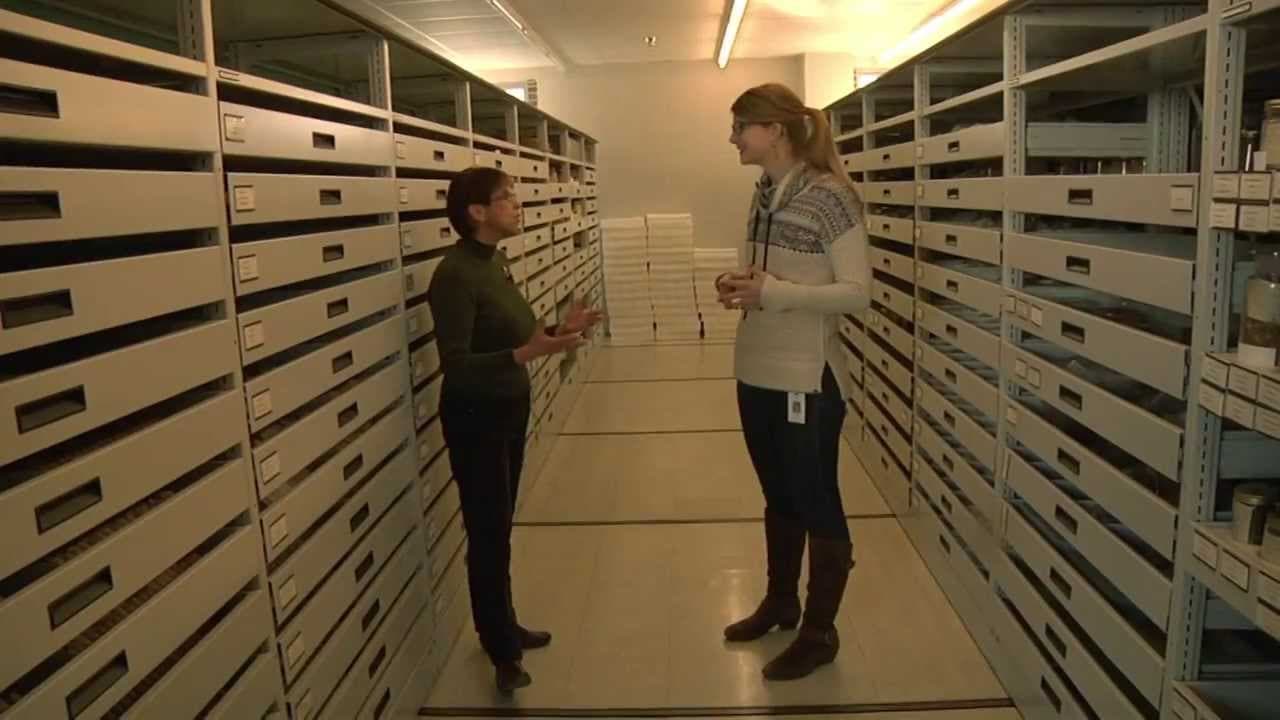
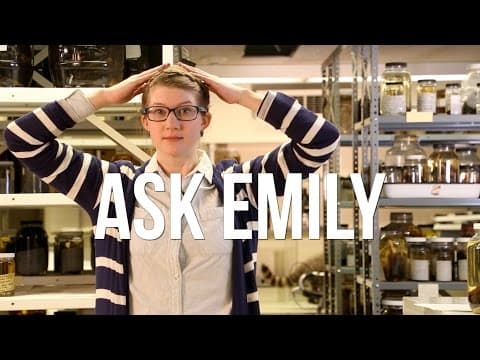
This video takes viewers on a tour of the economic botanical collection, showcasing a wide range of plant-based artifacts and their uses throughout history.
Transcript
So I'm standing here with Chris Niezgoda who is the collections manager of flowering plants in botany and we're going on a tour of the economic botanical collection. - Economic botany is the use of plants by people. So whether they eat them, whether they use them medicinally, whether they make hats out of them. We have boxes, we have glass jars, we... Read More
Key Insights
- 😋 Economic botany focuses on the use of plants by people throughout history, including for food, medicine, and other practical purposes.
- 🌱 Preserving diverse plant-based artifacts presents challenges for museums and institutions, requiring specialized storage techniques.
- 😂 The economic botanical collection showcases a wide range of plant-based artifacts, from teas and spices to musical instruments and hats.
- 🥹 Some artifacts in the collection hold historical significance, such as Valerian root for medicinal purposes and the double coconut from the Seychelles islands.
- 🌱 Plant materials can be transformed into various items, such as gourds used for canisters and hats, highlighting the versatility and importance of certain plants.
- 👨🎨 Resins found in the collection have practical applications, including in paints, varnishes, and decorative objects.
- 🌲 Rubber-tapping tools and rubber bark demonstrate the historical process of collecting rubber from trees.
- 🫒 The collection includes a variety of liquids, such as olive oils, which require careful storage and preservation to prevent evaporation.
Install to Summarize YouTube Videos and Get Transcripts
Explore YouTube Video Summarizer or Get YouTube Transcript Extractor
Questions & Answers
Q: How are the artifacts in the economic botanical collection stored?
The artifacts are stored in a variety of containers, including boxes, glass jars, and liquids. The museum tries to preserve everything by using specialized storage methods and materials.
Q: Can you provide an example of a plant with a unique use from the collection?
One example is Valerian root from 1907, which was used as a stimulant tonic for various medical conditions. It highlights the historical use of plants for medicinal purposes.
Q: Why does the collection include items like musical instruments and hats?
Musical instruments and hats are considered economic botanical artifacts because they often utilize plant materials for their construction. Gourds, for example, are important in economic botany as they can be made into various items, including canisters and hats.
Q: Where does the double coconut come from, and why is it significant?
The double coconut is native to the Seychelles islands and is the largest seed in the world. It is significant because it has been overused and is now protected, with no exportation allowed. The seed itself is immense and takes a long time to germinate.
Summary & Key Takeaways
-
The economic botanical collection displays plants used by people for food, medicine, and various other purposes.
-
The collection consists of artifacts stored in boxes, glass jars, and liquids, presenting preservation challenges due to their diversity.
-
The tour features a variety of items, such as teas, spices, musical instruments, hats, and even a double coconut.
Read in Other Languages (beta)
Share This Summary 📚
Summarize YouTube Videos and Get Video Transcripts with 1-Click
Try YouTube Summary with ChatGPT & Claude or YouTube Transcript Generator
Explore More Summaries from thebrainscoop 📚


Summarize YouTube Videos and Get Video Transcripts with 1-Click
Try YouTube Summary with ChatGPT & Claude or YouTube Transcript Generator