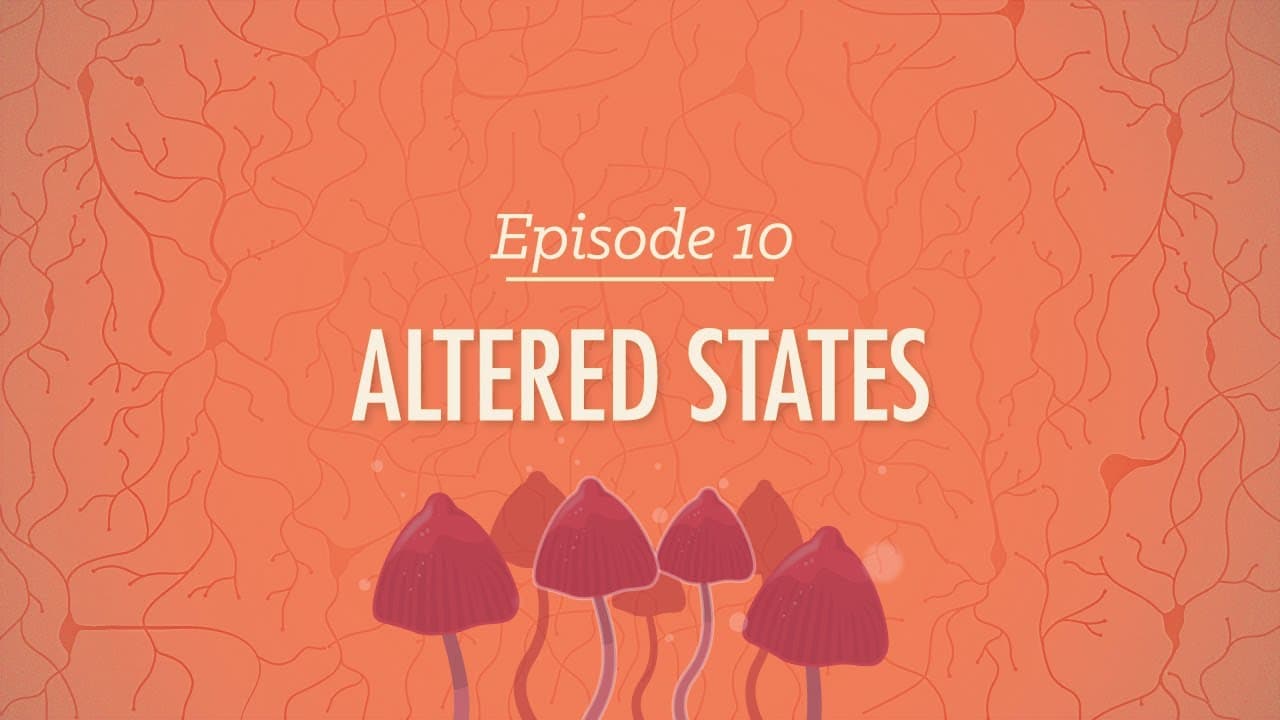
Altered States: Crash Course Psychology #10
TL;DR
Hypnosis is a real altered state of consciousness with therapeutic uses.
Transcript
Lemme get your mind right about hypnosis. First of all, it’s a real thing -- but it’s probably not what you think it is. All kinds of hypnosis-esque practices have been around for centuries, but the Western version of it -- including the kind that you probably associate with people being made to cluck like chickens on stage -- cropped up around the... Read More
Key Insights
- Hypnosis is a legitimate altered state of consciousness, characterized by heightened concentration and openness to suggestion, with therapeutic applications in stress, anxiety, and pain management.
- Franz Mesmer's early hypnosis practices were discredited, but he inadvertently demonstrated the power of suggestion, which is central to hypnosis.
- Hypnosis cannot make individuals act against their will or enhance memory recall, contrary to popular media portrayals.
- Approximately 20% of people are highly hypnotizable, meaning they can easily enter a hypnotic state and respond to suggestions.
- Theories on hypnosis include social influence, where subjects act as 'good hypnotic subjects,' and dissociation, where there's a split in consciousness.
- Psychoactive drugs alter consciousness by affecting neurotransmitter functions, with categories including depressants, stimulants, and hallucinogens.
- Depressants like alcohol impair judgment and memory, while opiates can lead to dependence by replacing natural endorphins.
- Stimulants increase energy and mood but can lead to addiction, while hallucinogens distort perceptions and can cause sensory experiences without actual input.
Install to Summarize YouTube Videos and Get Transcripts
Explore YouTube Video Summarizer or Get YouTube Transcript Extractor
Questions & Answers
Q: What is hypnosis and how is it used therapeutically?
Hypnosis is a trance-like state characterized by heightened focus and openness to suggestion. It is used therapeutically to manage stress, anxiety, and chronic pain by guiding patients into a relaxed state and providing positive suggestions. It is important to note that hypnosis does not involve loss of control over one's actions.
Q: Who was Franz Mesmer and what was his contribution to hypnosis?
Franz Mesmer was a German physician in the 18th century who is often associated with the early development of hypnosis. He attempted to treat medical conditions by inducing trance-like states and claimed to manipulate 'animal magnetism.' Although his methods were discredited, he inadvertently demonstrated the power of suggestion, a key component of hypnosis.
Q: Can hypnosis make someone act against their will?
No, hypnosis cannot make individuals act against their will. Despite popular media portrayals, such as in movies like 'The Manchurian Candidate,' hypnosis does not lead to loss of control over one’s actions. It enhances suggestibility but does not override personal ethics or decision-making.
Q: What are the theories explaining how hypnosis works?
There are two main theories explaining hypnosis: the social influence theory and the dissociation theory. The social influence theory suggests that hypnotized individuals act as 'good hypnotic subjects' by following the hypnotist's cues. The dissociation theory posits a split in consciousness, allowing individuals to focus on suggestions while ignoring other stimuli.
Q: What are psychoactive drugs and their categories?
Psychoactive drugs are substances that alter mood and perception by affecting brain neurotransmitters. They are categorized into depressants, which slow neural activity (e.g., alcohol, opiates); stimulants, which increase energy and alertness (e.g., caffeine, cocaine); and hallucinogens, which distort perceptions (e.g., LSD). Each category affects the brain differently, leading to varied effects and potential for addiction.
Q: How do depressants affect the brain and behavior?
Depressants, such as alcohol and opiates, slow down neural activity and can impair judgment and memory. Alcohol acts as a disinhibitor, reducing self-awareness and self-control. Opiates can lead to dependence by replacing the brain's natural painkillers, endorphins, and their withdrawal can be severe. High doses or interactions with other substances can be fatal.
Q: What role do stimulants play in altering consciousness?
Stimulants increase neural activity, energy, and mood. They include substances like caffeine, nicotine, and cocaine. Stimulants can lead to increased alertness and self-confidence, but also pose risks of addiction and severe crashes as the brain's neurotransmitter levels become depleted. Long-term use can result in significant health issues.
Q: What are non-drug-induced hallucinations and their causes?
Non-drug-induced hallucinations can occur due to seizures, brain injuries, sensory deprivation, stress, or extreme emotions like grief. These hallucinations involve perceiving sensory experiences without external stimuli, such as hearing voices or seeing images. The brain may create these experiences as a coping mechanism or due to neurological disturbances.
Summary & Key Takeaways
-
Hypnosis is a recognized altered state of consciousness that enhances focus and suggestibility, useful in treating anxiety, stress, and pain. It cannot control behavior against one's will or reliably enhance memory recall. Theories on its mechanism include social influence and dissociation.
-
Psychoactive drugs, categorized as depressants, stimulants, and hallucinogens, alter mood and perception by interacting with brain neurotransmitters. While some are used therapeutically, others can lead to addiction and severe health issues due to neuroadaptation and tolerance.
-
Non-drug-induced hallucinations can occur due to various factors like brain injuries, sensory deprivation, or extreme stress. These experiences highlight the complexity of human consciousness and the brain's capacity to create sensory experiences without external stimuli.
Read in Other Languages (beta)
Share This Summary 📚
Summarize YouTube Videos and Get Video Transcripts with 1-Click
Try YouTube Summary with ChatGPT & Claude or YouTube Transcript Generator
Explore More Summaries from CrashCourse 📚
Summarize YouTube Videos and Get Video Transcripts with 1-Click
Try YouTube Summary with ChatGPT & Claude or YouTube Transcript Generator