How to Optimize for Mobile-First Indexing
TL;DR
Mobile-first indexing involves Google primarily using the mobile version of a site for indexing and ranking. Responsive sites generally won't notice a difference, but sites with separate mobile URLs need to ensure proper interlinking and structured data. Monitoring server logs for shifts in Googlebot activity can indicate indexing changes.
Transcript
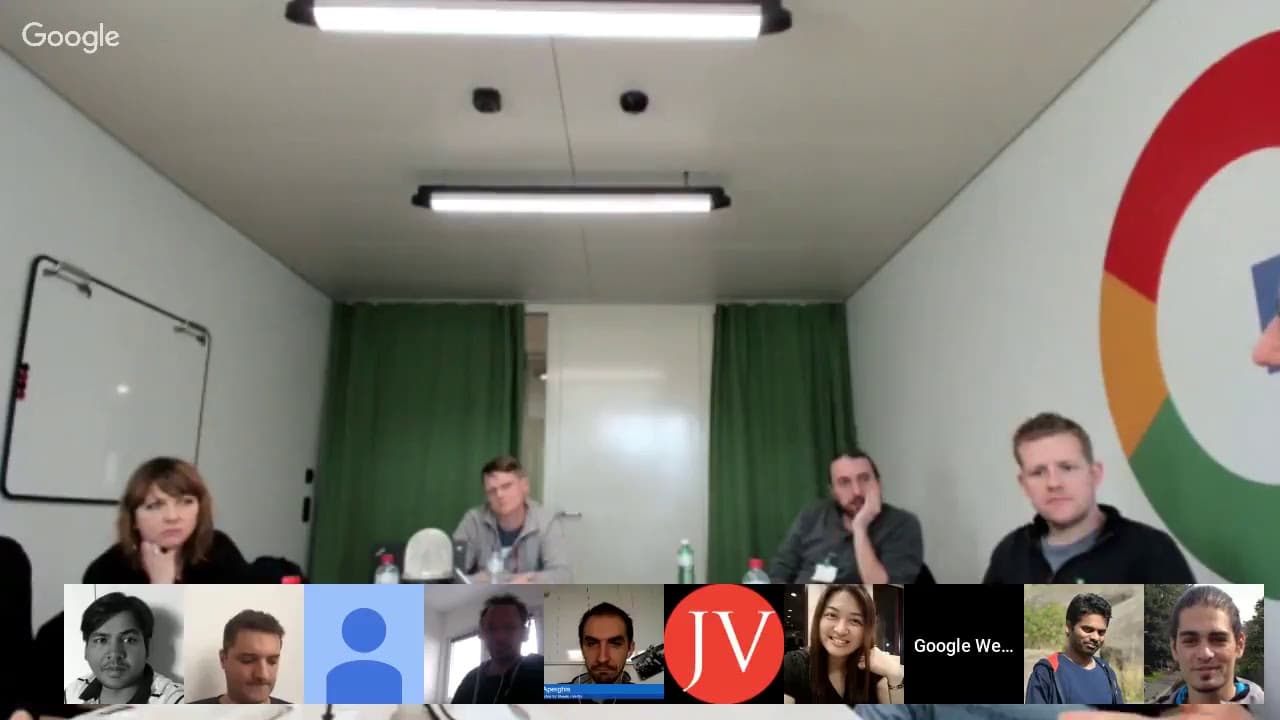
JOHN MUELLER: OK. Welcome, everyone to today's Google Webmaster Central Office Hours Hangout. Today, I have a bunch of great guests from Zurich and nearby who are joining us live in Zurich, as well as a bunch of people who are live here in the Hangout as well. And so thank you all for joining in. Maybe I can just do a quick round of introductions h... Read More
Key Insights
- Mobile-first indexing means Google uses the mobile version of sites for indexing.
- Responsive sites typically see no major difference with mobile-first indexing.
- Sites with separate mobile URLs must maintain proper interlinking and structured data.
- Monitoring server logs can reveal shifts in Googlebot activity, indicating indexing changes.
- Noindex tags on pages prevent indexing but do not require a nofollow tag.
- Pagination should be handled carefully to avoid indexing issues, especially with faceted navigation.
- Structured data should be used appropriately to enhance search result snippets.
- AMP pages can cause tracking issues due to referral traffic being misattributed.
Install to Summarize YouTube Videos and Get Transcripts
Explore YouTube Video Summarizer or Get YouTube Transcript Extractor
Questions & Answers
Q: How to recognize mobile-first indexing in server logs?
You can recognize mobile-first indexing in server logs by monitoring the user agent activity. Typically, a shift from Googlebot Desktop to Googlebot Smartphone indicates mobile-first indexing. Responsive sites usually see a seamless transition, while sites with separate mobile URLs must ensure proper interlinking and structured data.
Q: What changes are needed for sites with separate mobile URLs?
Sites with separate mobile URLs need to ensure that interlinking within mobile pages is correct, structured data URLs point to mobile pages, and hreflang links are within mobile pages. This ensures that Google indexes the mobile version correctly and maintains the relationship between mobile and desktop versions.
Q: Does adding a noindex tag require a nofollow tag?
No, adding a noindex tag does not require a nofollow tag. Noindex alone is sufficient to prevent a page from being indexed. Google will not process links on a noindexed page, so adding a nofollow tag is redundant.
Q: How to handle pagination effectively for SEO?
For SEO, pagination should be handled by using rel=prev/next tags to indicate the sequence of pages. Consider using a canonical tag on paginated pages to point to a main category page if needed. Avoid keyword stuffing by ensuring content is natural and relevant to users.
Q: What are the challenges with AMP tracking?
AMP tracking challenges arise because AMP pages are served from Google's cache, leading to referral traffic being misattributed. Solutions include using specific tracking setups or scripts to correctly attribute sessions to the original source, ensuring accurate analytics data.
Q: How does Google handle duplicate content in international sites?
Google handles duplicate content in international sites by using hreflang tags to indicate language and regional targeting. This helps Google serve the correct version of a page to users based on their language and location, avoiding issues with duplicate content.
Q: What is the purpose of structured data in search results?
Structured data enhances search result snippets by providing additional context about the content. It helps Google understand the content better and can lead to rich results, such as featured snippets or knowledge panels, which improve visibility and click-through rates.
Q: How does Google Trends measure search volume?
Google Trends measures search volume relative to the total search activity over time. A negative trend since 2004 might indicate a decrease in relative search interest compared to other topics, but not necessarily a decline in absolute search volume. It's useful to compare related terms for context.
Summary & Key Takeaways
-
Mobile-first indexing means Google uses the mobile version of a site for indexing. Responsive sites typically don't notice a difference, but sites with separate mobile URLs need to ensure proper interlinking and structured data. Monitoring server logs for changes in Googlebot activity can indicate indexing changes.
-
Pagination and faceted navigation require careful handling to avoid indexing issues. Structured data should be used appropriately to enhance search result snippets. AMP pages can cause tracking issues due to referral traffic being misattributed, requiring specific solutions.
-
Noindex tags prevent indexing but do not need a nofollow tag. Sitemap files help with crawling, but their priority and change frequency attributes are not used by Google. Internal linking and sitemap updates can influence crawl frequency.
Read in Other Languages (beta)
Share This Summary 📚
Summarize YouTube Videos and Get Video Transcripts with 1-Click
Try YouTube Summary with ChatGPT & Claude or YouTube Transcript Generator
Explore More Summaries from Google Search Central 📚


Summarize YouTube Videos and Get Video Transcripts with 1-Click
Try YouTube Summary with ChatGPT & Claude or YouTube Transcript Generator