Construction Tips from a Type 2 Engineer - Part 1: Collaboration with Isaac Arthur
TL;DR
This collaboration between Isaac Arthur and the narrator explores the future of human space exploration, including energy extraction, resource harvesting, and construction techniques.
Transcript
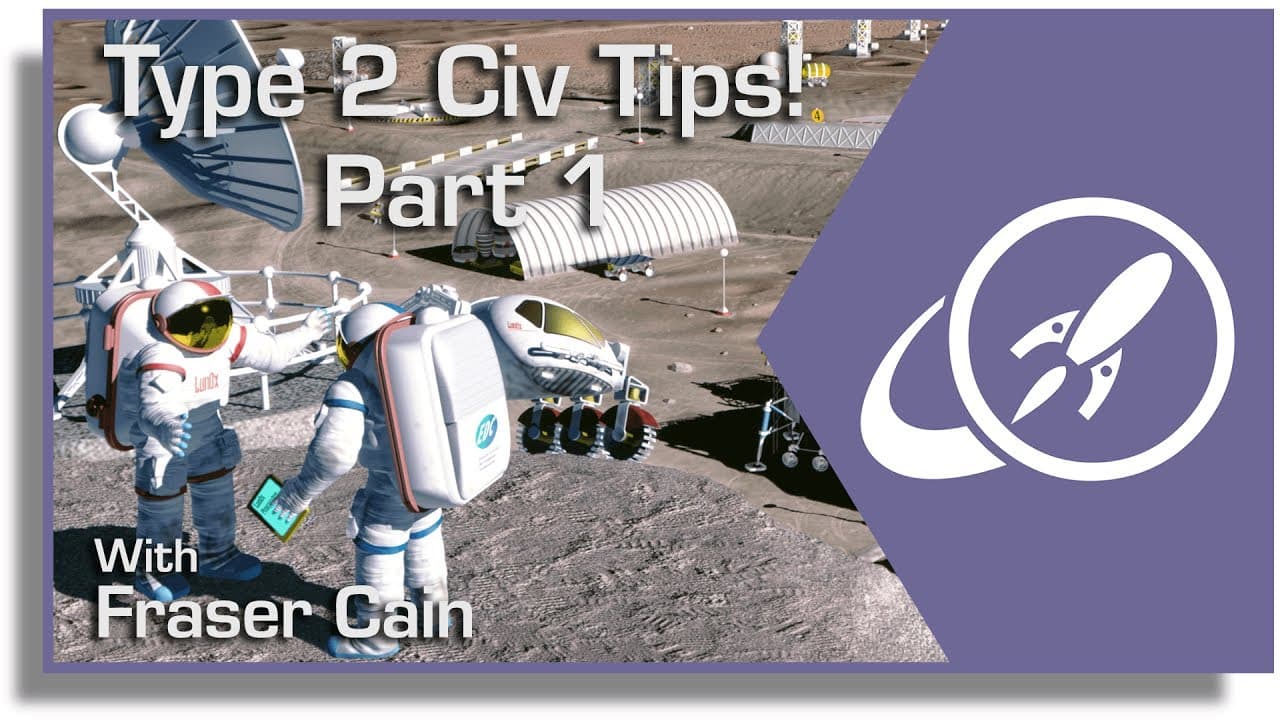
By popular request, Isaac Arthur and I have teamed up again to bring you a vision of the future of human space exploration. This time, we bring you practical construction tips from a pair of Type 2 Civilization engineers. To make this collaboration even better, we’ve teamed up with two artists, Kevin Gill and Sergio Botero. They’re going to help cr... Read More
Key Insights
- ❓ Helium-3 extraction from the Moon initiated the colonization and resource exploitation across the Solar System.
- 👾 Asteroids and moons provided abundant raw materials and water for early space infrastructure development.
- 👻 Gravity tractors and gravitational tugs allowed humans to manipulate the positions of celestial bodies.
- 🙂 Humans used mirrors and shades to modify light concentration and temperature on different planets, making them habitable or cooler.
- 💦 Resource availability, such as water, becomes more plentiful as we move further out in the Solar System.
- 🙂 Reflecting light allowed humans to remove harmful or less useful wavelengths, creating warmer and brighter environments.
- 🪐 Strategic placement of solar shades between the Sun and planets helped cool down planets like Venus and Mercury.
Install to Summarize YouTube Videos and Get Transcripts
Explore YouTube Video Summarizer or Get YouTube Transcript Extractor
Questions & Answers
Q: How did harvesting helium-3 from the Moon change the future of human space exploration?
Helium-3, found in the lunar regolith, became a crucial energy source with advantages such as producing more energy with less shielding, enabling its usage in starships and bases.
Q: How did asteroids and moons contribute to the development of space-based infrastructure?
These celestial bodies contained valuable resources like precious metals, water, and propellant, driving early space exploration and creating habitats for millions of people.
Q: How did humans move large objects in space?
Gravity tractors, using the gravity of less massive objects like spaceships, allowed us to gradually pull asteroids and other objects in the desired direction. Gravitational slingshots around planets also altered trajectories.
Q: How did humans modify the environments of different planets in the Solar System?
Through the use of mirrors, lenses, and reflectors, humans concentrated and reflected sunlight to make planets habitable, both by increasing the amount of energy received or cooling down planets like Venus and Mercury.
Summary & Key Takeaways
-
Harvesting helium-3 from the Moon provided humanity with a rare and efficient energy source, sparking the colonization and resource extraction across the Solar System.
-
Asteroids and moons became critical sources of raw materials and water for space infrastructure development and early-era spaceships.
-
Moving large objects in space required gravity tractors and gravitational tugs, enabling humans to manipulate the positions of asteroids, moons, and even planets.
Read in Other Languages (beta)
Share This Summary 📚
Summarize YouTube Videos and Get Video Transcripts with 1-Click
Try YouTube Summary with ChatGPT & Claude or YouTube Transcript Generator
Explore More Summaries from Fraser Cain 📚

Summarize YouTube Videos and Get Video Transcripts with 1-Click
Try YouTube Summary with ChatGPT & Claude or YouTube Transcript Generator