For more wonder, rewild the world | George Monbiot
TL;DR
This content explores the concept of rewilding, both in terms of restoring ecosystems and reclaiming a wilder, more adventurous life.
Transcript
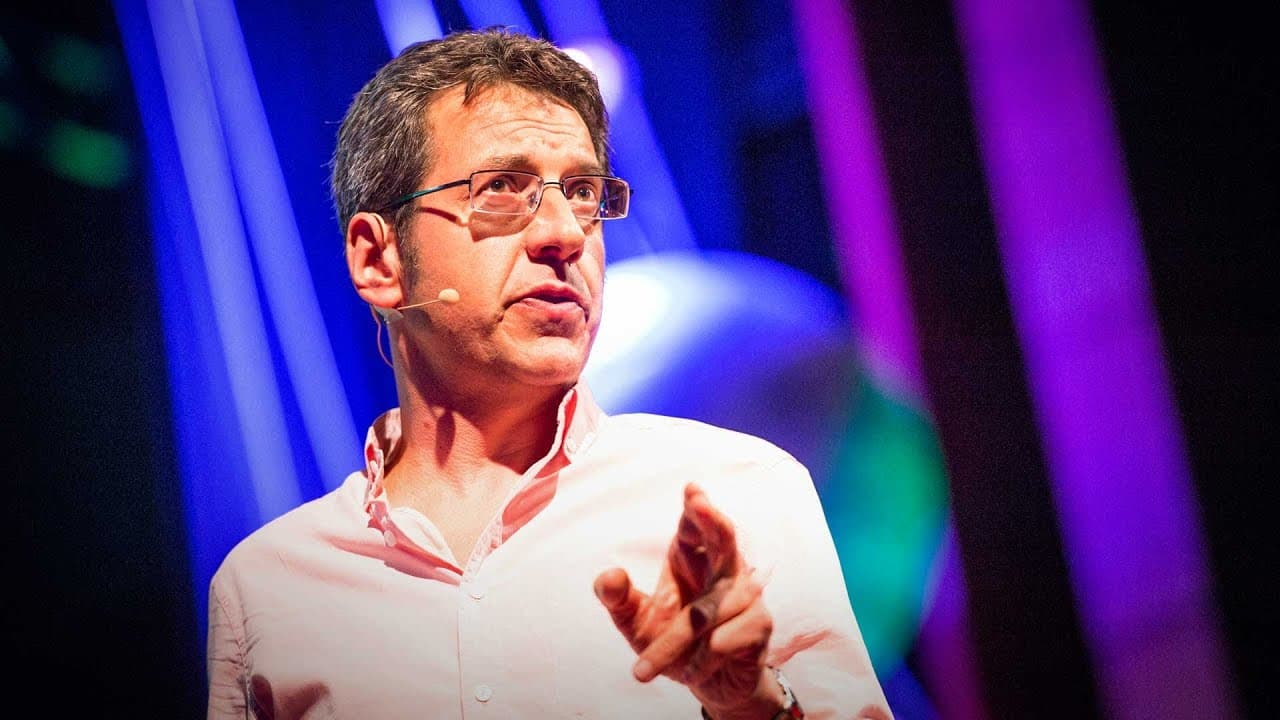
When I was a young man, I spent six years of wild adventure in the tropics working as an investigative journalist in some of the most bewitching parts of the world. I was as reckless and foolish as only young men can be. This is why wars get fought. But I also felt more alive than I've ever done since. And when I came home, I found the scope of my ... Read More
Key Insights
- 🌎 The mass restoration of ecosystems, known as rewilding, can have profound effects on the environment. For example, when wolves were reintroduced in Yellowstone National Park, it led to a trophic cascade, with changes in vegetation, bird populations, beaver habitats, and even the physical geography of the park.
- 🐋 Whales also play a crucial role in sustaining marine ecosystems. Their feeding patterns and large fecal plumes stimulate the growth of phytoplankton, which in turn supports the entire food chain. Whales also aid in carbon sequestration, highlighting the interconnectivity of ecosystems.
- 🦁 Rewilding is not limited to restoring ecosystems; it can also apply to human life. With land becoming available due to reforestation and farmers retreating, there is an opportunity to create rewilded habitats that allow people to experience a richer and wilder life of adventure.
- 🦏 The return of lost megafauna, such as elephants, hippos, and lions, is also a possibility in rewilded landscapes. The adaptations of trees and plants suggest their coexistence with these animals in the past, and reintroducing them could recreate a sense of enchantment and wonder in our surroundings.
- 🌿 Rewilding does not seek to create a predetermined, ideal ecosystem. Instead, it allows nature to decide the right assemblage of species and the overall balance. Nature has shown its ability to self-regulate when given the chance.
- 🏞️ The opportunities for rewilding are greater than expected, with large areas of land becoming available in both the United States and Europe. This provides the chance to bring back not only existing species but also those that have been lost due to human pressures.
- 🌍 Restoring ecosystems and rewilding human life can instill hope in people. Rewilding shows that ecological change is not always irreversible and that we have the power to shape a more vibrant and thriving natural world.
- 🐺 Rewilding has the potential to bring back biodiversity, restore ecological balance, and reestablish the intricate connections between species. It reminds us of the complexity and wonder of our planet and the importance of coexisting with nature.
Install to Summarize YouTube Videos and Get Transcripts
Explore YouTube Video Summarizer or Get YouTube Transcript Extractor
Questions & Answers
Q: What did the speaker do when he was younger?
When the speaker was younger, he spent six years working as an investigative journalist in the tropics, having wild adventures and experiencing the bewitching parts of the world.
Q: How did the speaker feel when he returned home?
After returning home from his adventures, the speaker felt a sense of his existence diminishing and found himself longing for a wider and more exciting life. He described feeling ecologically bored.
Q: What have industrialized societies prioritized?
Industrialized societies have prioritized conquering uncertainty and knowing what comes next. The speaker explains that safety has been privileged over experience and as a result, something has been lost.
Q: What does the term "rewilding" mean?
The term "rewilding" has two definitions that fascinate the speaker. The first definition is the mass restoration of ecosystems. The second definition refers to the rewilding of human life, allowing for a richer and wilder existence.
Q: How do trophic cascades demonstrate the complexity of the natural world?
Trophic cascades demonstrate the complexity of the natural world by showing how the removal or reintroduction of a single species can have far-reaching effects on the entire ecosystem. The speaker gives examples of trophic cascades involving wolves in Yellowstone National Park and the effects of whales in the southern oceans.
Q: What is the significance of rewilding in relation to megafauna?
In relation to megafauna, rewilding offers the opportunity to bring back some of the lost large animals. The speaker suggests that with available land and the retreat of loggers and farmers, it might be possible to reintroduce species such as wolves, lynx, bears, beavers, bison, and more. It also raises the possibility of returning some lost megafauna species, like the ones that once roamed in Trafalgar Square.
Q: What is the main hope that rewilding offers?
Rewilding offers hope in motivating people to love and defend the natural world. It suggests that ecological change does not always have to be in a negative direction and that there is hope for a vibrant and thriving natural environment. The speaker believes that an ounce of hope is worth a ton of despair in inspiring people to care for the natural world.
Summary & Key Takeaways
-
The speaker recounts his adventurous experiences as a journalist in the tropics, reflecting on how his life became mundane upon returning home.
-
He discusses the concept of rewilding, which involves bringing back missing plants and animals and allowing nature to determine the ecosystem's composition.
-
The speaker also explores the idea of rewilding human life, highlighting the potential for adventure in reforested areas and suggesting the reintroduction of lost megafauna.
Read in Other Languages (beta)
Share This Summary 📚
Summarize YouTube Videos and Get Video Transcripts with 1-Click
Try YouTube Summary with ChatGPT & Claude or YouTube Transcript Generator
Explore More Summaries from TED 📚



Summarize YouTube Videos and Get Video Transcripts with 1-Click
Try YouTube Summary with ChatGPT & Claude or YouTube Transcript Generator