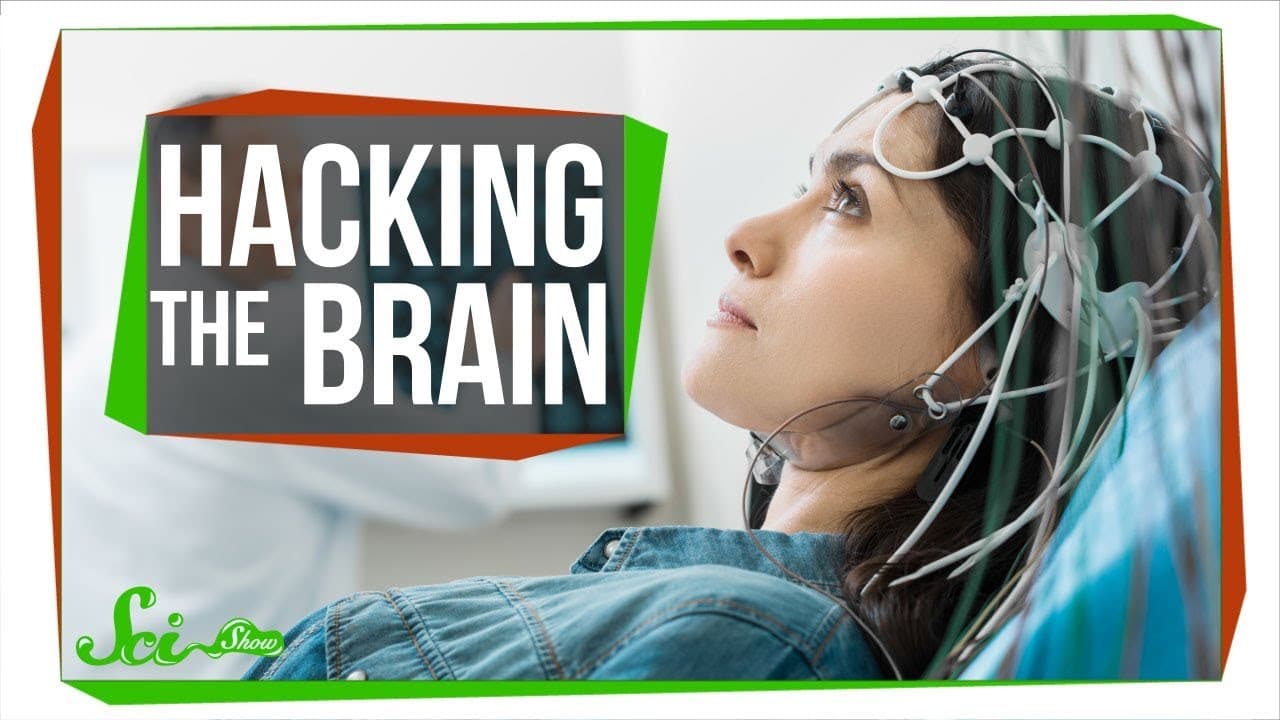
Hacking the Brain: The Future of Prosthetics
TL;DR
Brain-computer interfaces (BCIs) are being used to improve prosthetics, allowing users to control them with their minds and experience touch feedback. BCIs have the potential to help individuals with paralysis and movement disorders.
Transcript
This episode is supported by NordVPN. Start protecting your internet experience today with a 3-year VPN plan. Use the code“SCISHOW” to get 75% off, plus 1 month free, at NordVPN.com/SCISHOW. [ intro ] When you think of hacking, the first thing that comes to mind might be someone typing out a bunch of code in a basement somewhere as they try to acce... Read More
Key Insights
- 😟 Brain-computer interfaces (BCIs) enable the connection between the nervous system and prosthetics, improving functionality and natural control.
- 😟 BCIs rely on the similarities in electrical signaling between electronics and the nervous system, allowing researchers to tap into touch channels in the brain.
- 👤 Advances in artificial intelligence and synthetic touch nerves have made BCIs more practical, providing users with better control and feedback.
- 😀 BCIs still face challenges related to cost, battery life, and digital security, limiting their accessibility and adoption.
- 😨 The potential applications of BCIs extend beyond prosthetics to areas such as wheelchairs, military exoskeletons, smartwatches, and cars.
- 💪 Helping individuals with paralysis or movement disorders through BCIs requires overcoming additional communication challenges between the BCI and the muscles.
- 👶 The field of BCIs is evolving and has the potential to create a new form of human-machine union, improving the lives of individuals worldwide.
Install to Summarize YouTube Videos and Get Transcripts
Explore YouTube Video Summarizer or Get YouTube Transcript Extractor
Questions & Answers
Q: How do brain-computer interfaces (BCIs) enhance the functionality of prosthetic limbs?
BCIs allow users to control prosthetics using their minds, providing more natural and precise movements. They also enable the prosthetics to send touch feedback to the nervous system, improving the user's ability to perceive texture and grip strength.
Q: What signals do researchers look for when using BCIs to control prosthetics?
Researchers analyze the neural code created by firing patterns in the brain when a person performs specific movements. This neural code is then translated into a language that computers can use to control robotic limbs.
Q: What are some challenges and limitations of current BCIs?
BCIs are still expensive and have limited battery life, making them less accessible to a wider population. Additionally, ensuring digital security is crucial as BCIs become more advanced and popular.
Q: How can BCIs be expanded to help individuals with paralysis or movement disorders?
Expanding the use of BCIs involves developing methods to properly communicate neural signals to muscles, allowing individuals with paralysis or movement disorders to regain control and mobility.
Summary & Key Takeaways
-
Brain-computer interfaces (BCIs) enable individuals to control prosthetics using their thoughts and receive touch feedback, improving their functionality and natural movement.
-
BCIs tap into the brain's organized sections responsible for movement and touch, allowing researchers to read and send signals related to limb movement and touch sensation.
-
Advances in artificial intelligence and synthetic touch nerves have made it possible to develop practical prosthetics with improved control and feedback for users.
Read in Other Languages (beta)
Share This Summary 📚
Summarize YouTube Videos and Get Video Transcripts with 1-Click
Try YouTube Summary with ChatGPT & Claude or YouTube Transcript Generator
Explore More Summaries from SciShow 📚






Summarize YouTube Videos and Get Video Transcripts with 1-Click
Try YouTube Summary with ChatGPT & Claude or YouTube Transcript Generator