How To Cook Like A Pro In 5 Minutes
TL;DR
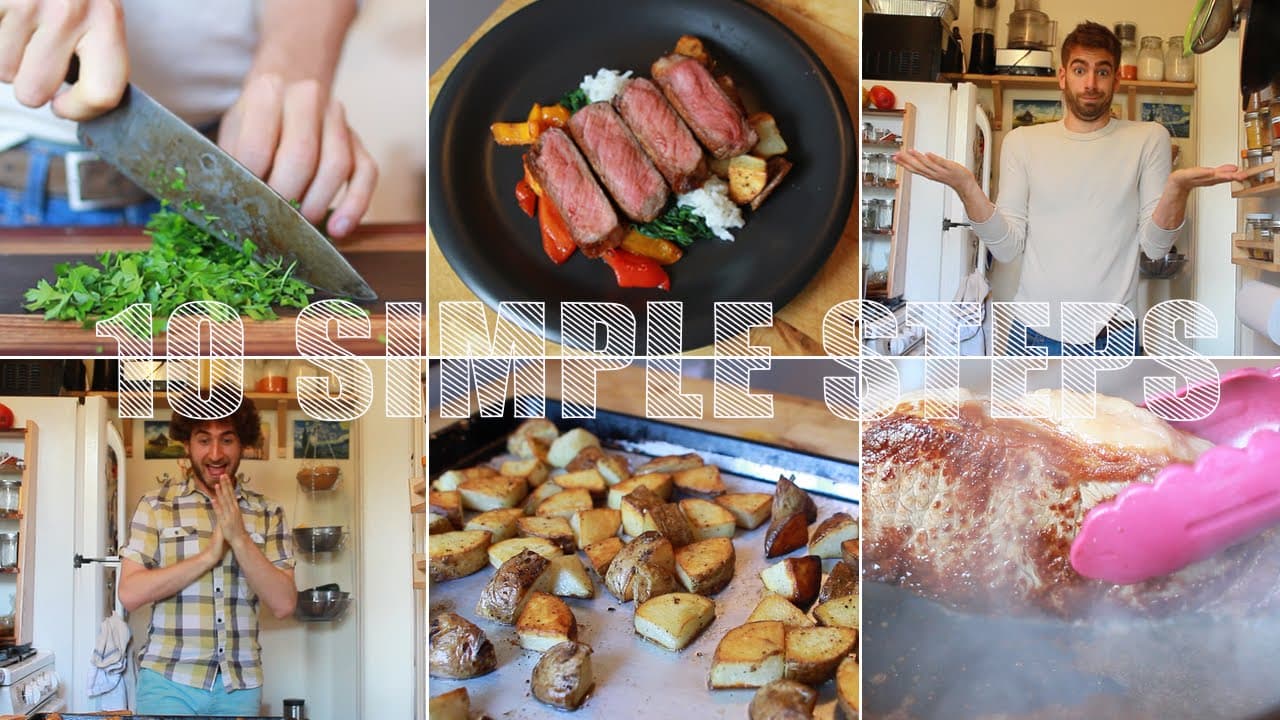
Learn 10 easy cooking techniques including knife handling, cutting, seasoning, roasting, boiling, sautéing, blanching, searing, making sauces, and plating.
Transcript
well hey there do you like most people seem to think cooking is really hard well that's Bullit in the next 5 minutes we're going to show you 10 simple techniques to become a badass cook for All [Applause] Occasions learn how to hold and handle a knife if you can handle your mini sword properly you can cut all kinds of stuff you've got three main op... Read More
Key Insights
- 🍽️ Proper knife handling techniques are crucial for safety and control while cutting ingredients.
- 💇 Different cutting techniques provide versatility and variation in ingredient sizes and shapes.
- 🧂 Seasoning with salt and other seasonings is essential to enhance the flavors of your dishes.
- 🍠 Roasting vegetables requires careful attention to prevent burning and achieve even browning.
- 🧑🍳 Knowing the difference between boiling and simmering is important for successfully cooking various ingredients.
- 👿 Sautéing involves cooking ingredients in oil, moving them around the pan, and seasoning as needed.
- 🛟 Blanching helps preserve the vibrant colors and freshness of vegetables.
- 🤎 Searing is a quick browning technique that enhances the flavor of meat and fish.
- 👿 Making sauces can elevate a dish, and deglazing the pan adds extra flavors.
Install to Summarize YouTube Videos and Get Transcripts
Explore YouTube Video Summarizer or Get YouTube Transcript Extractor
Questions & Answers
Q: What are some tips for handling a knife properly?
There are three main ways to handle a knife effectively: pinching the blade, reaching around the handle, or holding the handle with one finger pointing down. The preferred method is to pinch the blade for better control and balance. Curling your fingers back while cutting is important to avoid accidents.
Q: How do different cutting techniques affect the outcome of a dish?
Different cutting techniques result in different shapes and sizes of ingredients. Dicing creates uniform cube-like pieces, mincing finely cuts ingredients into small pieces, chopping cubes ingredients like dicing but with a rougher result, slicing involves a rocking motion, and you can also cut ingredients in any way you prefer and call it rustic.
Q: Why is salt important in cooking?
Salt is the most important seasoning for enhancing flavors in food. It is essential to salt meat and vegetables before cooking, salt water before boiling rice and pasta, and add salt gradually to soups, stews, and sauces, tasting it until the flavors are balanced. However, it's important not to oversalt the dish.
Q: How can I roast vegetables effectively?
To roast vegetables, preheat your oven to 400-450°F, toss the vegetables in oil, salt, and pepper, and place them on a baking sheet. Turn them halfway through cooking to ensure even browning. Remember to be cautious while handling the hot pan.
Q: What is the difference between boiling and simmering?
Boiling is when water bubbles intensely, while simmering is when water bubbles occasionally. For example, when cooking rice, after boiling it, reduce the heat to a simmer to cook it gently without burning the bottom.
Q: What is the process of sautéing?
Sautéing involves heating a pan, adding oil, and cooking vegetables or other ingredients until they become deliciously cooked. You can swirl the pan to look more skilled or even try flipping the vegetables to impress. Seasoning can be added as needed.
Q: How is blanching done?
Blanching is a simple process of boiling vegetables for a short time (30 to 60 seconds) and then transferring them to ice water immediately to prevent overcooking. This technique preserves the vibrant color of the vegetables and removes bitterness.
Q: What is searing and how do you do it?
Searing refers to quickly browning the surface of meat or fish to enhance flavor. Pat the protein dry, heat the pan until the oil smokes, and add the protein, ensuring it is away from your face. Let it cook undisturbed until golden on one side, then flip and repeat. Thicker cuts can be finished in the oven, and finally, let it rest before slicing.
Summary & Key Takeaways
-
Learn proper knife handling techniques, such as pinching the blade and curling fingers back while cutting, to have better control and prevent accidents.
-
Understand different cutting methods, including dicing, mincing, chopping, slicing, and cutting to suit different dishes.
-
Season your food adequately with salt and other seasonings, to enhance flavors and avoid tasteless meals.
-
Master various cooking techniques like roasting, boiling, sautéing, blanching, searing, and making sauces to create delicious dishes.
-
Pay attention to plating to elevate the presentation and make even mediocre dishes look appealing.
Read in Other Languages (beta)
Share This Summary 📚
Summarize YouTube Videos and Get Video Transcripts with 1-Click
Try YouTube Summary with ChatGPT & Claude or YouTube Transcript Generator
Explore More Summaries from Pro Home Cooks 📚


Summarize YouTube Videos and Get Video Transcripts with 1-Click
Try YouTube Summary with ChatGPT & Claude or YouTube Transcript Generator