What Does Frankenstein Teach Us About Reanimating Life?
TL;DR
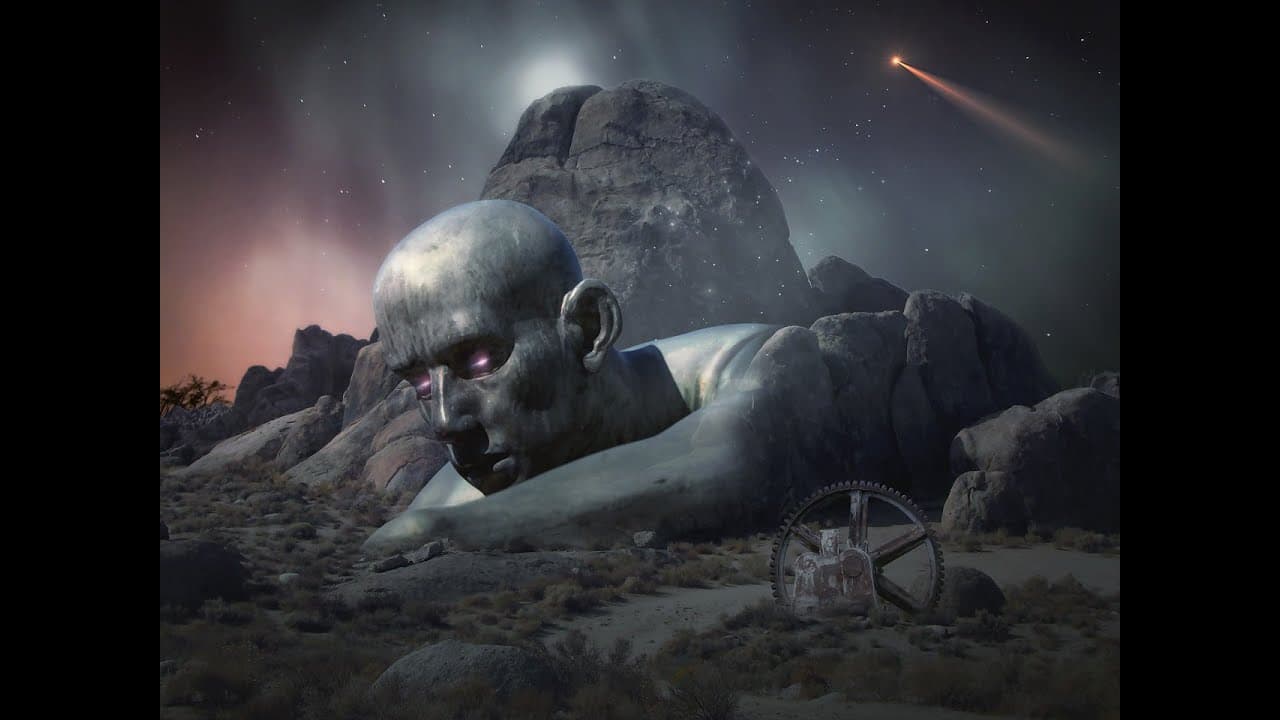
Frankenstein highlights the concept of reanimating the dead, which is increasingly relevant as modern science edges closer to achieving similar feats through advancements like organ transplantation and cryonics. While reanimating tissues is possible, significant uncertainties remain regarding long-term effects and memory preservation in revived individuals.
Transcript
In the comments on this channel I often get asked what my favorite book of all time is. Surely it must be something by Clarke, Heinlein or Asimov you might think. But in reality the story that I really respect and has stayed with me since childhood is arguably the start of both the science fiction and gothic horror genres. It’s Frankenstein or the ... Read More
Key Insights
- 😚 Frankenstein, published in 1818, addressed themes of reanimation that are still relevant as modern advancements edge closer to achieving similar feats.
- 😷 Reanimating dead tissue is possible in some forms, such as using advanced medical science and cryonics, but the long-term effects and memory preservation remain uncertain.
- ❓ Predicting future technology, particularly in biotech, is challenging due to biology's complexity and the potential for complications and unintended consequences.
- 🗺️ Space travel and colonization may involve reconstructing individuals or genetic programming rather than physical travel, but challenges such as fatal radiation doses need to be addressed.
- 👽 Protecting genetic codes through technological means offers the possibility of resurrecting extinct alien species but may not preserve their culture or memories.
- 🍝 The revival of past technology may become popular in the future, showcasing the evolving nature of technological advancements.
Install to Summarize YouTube Videos and Get Transcripts
Explore YouTube Video Summarizer or Get YouTube Transcript Extractor
Questions & Answers
Q: How was Frankenstein influenced by the scientific knowledge of Shelley's time?
Shelley drew inspiration from the scientific demonstrations involving electrical components and reanimation of animal parts, showcasing the cutting-edge science of the time.
Q: Is the idea of reanimating dead human tissue viable in modern times?
Advanced medical science can revive individuals in the process of death with tools like electrical defibrillators, but the full extent of reanimation and its potential consequences remain unknown.
Q: Can memories be stored in a computer and reloaded into a revived body, and would the resulting person be the same?
While it is theoretically possible to upload memories to a computer, it raises ethical concerns about privacy and identity. The revived person may not be the same individual due to possible alterations or missing memories.
Q: How does nanotechnology play a role in reanimation and resurrection?
Nanotechnology holds promise in repairing cells, but its application to medical purposes is still uncertain. Injecting nanobots into the bloodstream may have unforeseen complications, highlighting the need for further understanding of biology.
Summary & Key Takeaways
-
Frankenstein or the Modern Prometheus, published in 1818, was ahead of its time in exploring the concept of reanimating the dead using electrical components.
-
Modern advancements like organ transplantation and cryonics show that some variations of Frankenstein's themes are possible, but the long-term effects and memory preservation remain uncertain.
-
The future may bring possibilities of reviving actors using CGI, developing nanotechnology for medical purposes, and utilizing genetic information for artificial panspermia.
Read in Other Languages (beta)
Share This Summary 📚
Summarize YouTube Videos and Get Video Transcripts with 1-Click
Try YouTube Summary with ChatGPT & Claude or YouTube Transcript Generator
Explore More Summaries from John Michael Godier 📚

Summarize YouTube Videos and Get Video Transcripts with 1-Click
Try YouTube Summary with ChatGPT & Claude or YouTube Transcript Generator