What is a Hydraulic Jump?
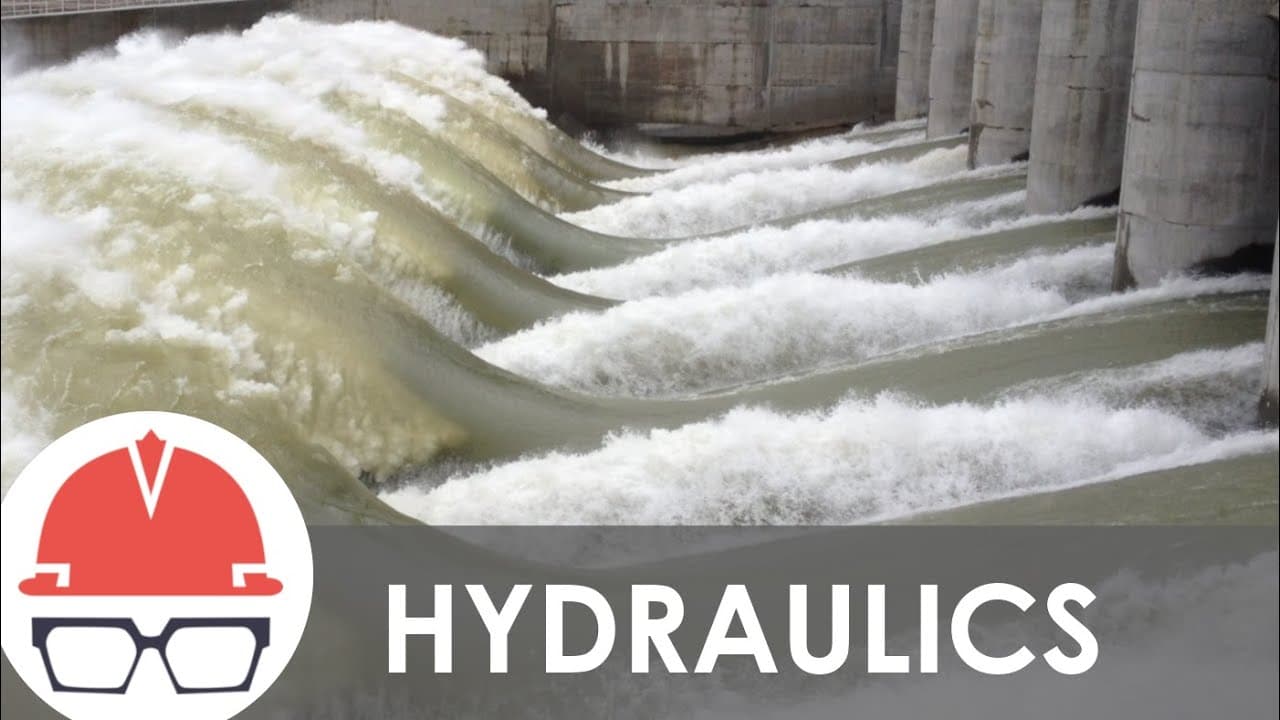
TL;DR
Explores the hydraulic jump phenomenon in open-channel flow.
Transcript
Controlling the flow of water is one of the fundamental objectives of modern infrastructure, from flooding rivers to irrigation canals, stormwater drainage facilities to aqueducts, and even the spillways of dams. So, engineers need to be able to predict how water will behave in order to design structures that manage or control it. And fluids don’t ... Read More
Key Insights
- Hydraulic jumps are crucial in managing water flow, particularly in engineering structures like dams and spillways, to prevent erosion and structural failure.
- Fluid dynamics, specifically open channel hydraulics, is essential for engineers to predict water behavior and design efficient water management systems.
- The transition from supercritical to subcritical flow results in a hydraulic jump, which dissipates energy and reduces water velocity.
- Hydraulic jumps can naturally occur in steep mountain streams or tidal bores, where fast-moving water transitions to slower conditions.
- Engineers use hydraulic jumps in energy dissipators, such as stilling basins, to control water flow and protect infrastructure.
- Recreational uses of hydraulic jumps include creating artificial rapids for whitewater courses, offering opportunities for activities like freestyle kayaking.
- Understanding the velocity of water and waves is vital in fluid dynamics, as it influences the design and functionality of hydraulic structures.
- Hydraulic jumps not only serve utilitarian purposes but also enhance community and environmental benefits when obsolete dams are replaced.
Install to Summarize YouTube Videos and Get Transcripts
Explore YouTube Video Summarizer or Get YouTube Transcript Extractor
Questions & Answers
Q: What is a hydraulic jump?
A hydraulic jump is a phenomenon in open-channel flow where fast-moving, supercritical water transitions to slower, subcritical conditions. This transition dissipates energy, reducing water velocity, and is crucial in preventing erosion and protecting hydraulic structures like dams and spillways.
Q: Why are hydraulic jumps important in engineering?
Hydraulic jumps are important in engineering because they effectively dissipate energy, reducing the velocity of water flow. This reduction is vital in preventing erosion and ensuring the structural integrity of hydraulic structures, such as spillways, by minimizing the potential for damage caused by fast-moving water.
Q: How do engineers use hydraulic jumps in water management?
Engineers use hydraulic jumps in water management by incorporating them into energy dissipators, such as stilling basins. These structures are designed to induce hydraulic jumps, which dissipate energy and reduce water velocity, thus protecting infrastructure from erosion and potential structural failure.
Q: What role does velocity play in fluid dynamics?
In fluid dynamics, velocity is crucial as it determines the flow conditions of water. The velocity of water flow and wave speed influence whether the flow is subcritical or supercritical. Understanding these velocities helps engineers design hydraulic structures to manage water effectively and predict hydraulic jumps.
Q: Where can hydraulic jumps naturally occur?
Hydraulic jumps can naturally occur in steep mountain streams, where fast-moving water crashes into rocks or changes slopes. They also occur during tidal bores when an incoming tide forms a wave traveling upstream against a river, creating a moving hydraulic jump in specific locations worldwide.
Q: What are the recreational uses of hydraulic jumps?
Recreational uses of hydraulic jumps include creating artificial rapids for whitewater courses. These courses offer opportunities for activities like freestyle kayaking or playboating, where kayakers perform tricks in hydraulic jumps, providing both entertainment and community benefits by repurposing obsolete dams.
Q: How do hydraulic jumps contribute to environmental benefits?
Hydraulic jumps contribute to environmental benefits by transforming obsolete dams into recreational whitewater courses. This repurposing enhances community engagement and environmental conservation, offering natural habitats for aquatic life and recreational opportunities for people, thus improving the ecological and social landscape.
Q: What is the significance of open channel hydraulics in civil engineering?
Open channel hydraulics is significant in civil engineering as it helps predict how water behaves in channels without confinement. This knowledge is crucial for designing effective water management systems and hydraulic structures, ensuring they perform efficiently and safely under various flow conditions, including hydraulic jumps.
Summary & Key Takeaways
-
Hydraulic jumps are a key concept in fluid dynamics, particularly in open-channel flow, where fast-moving water transitions to a slower state. This transition is essential for energy dissipation and erosion prevention in hydraulic structures like dams and spillways.
-
Engineers rely on open channel hydraulics to predict water behavior and design effective water management systems. The velocity of water and waves plays a significant role in determining the flow conditions and the occurrence of hydraulic jumps.
-
Beyond utilitarian purposes, hydraulic jumps are used in recreational settings, such as artificial rapids for whitewater courses. These phenomena offer both engineering solutions for erosion control and opportunities for community and environmental enhancement.
Read in Other Languages (beta)
Share This Summary 📚
Summarize YouTube Videos and Get Video Transcripts with 1-Click
Try YouTube Summary with ChatGPT & Claude or YouTube Transcript Generator
Explore More Summaries from Practical Engineering 📚






Summarize YouTube Videos and Get Video Transcripts with 1-Click
Try YouTube Summary with ChatGPT & Claude or YouTube Transcript Generator