Languages of Switzerland - A Polyglot Paradise?
TL;DR
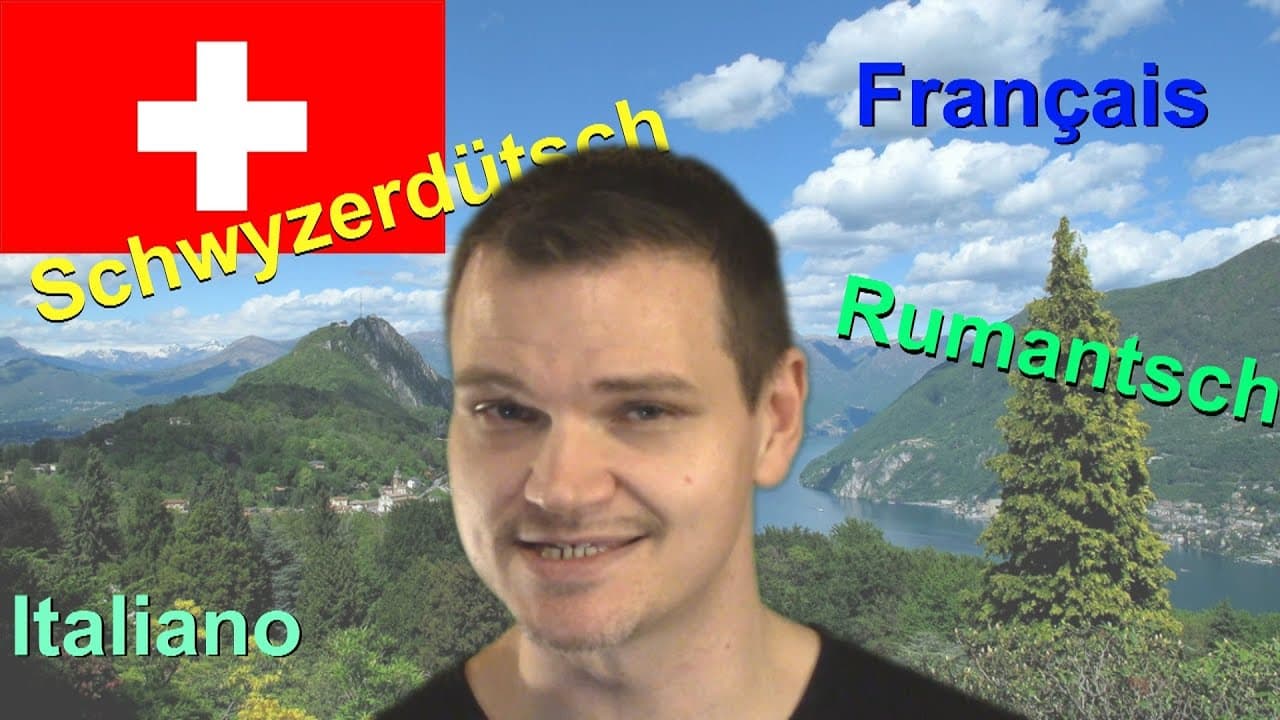
Switzerland is a multilingual nation with four national languages.
Transcript
I'd like a coffee please Oh, thanks. Hello everyone. And welcome to the Langfocus channel. My name is Paul Today, I'm going to talk about the languages of Switzerland. Switzerland is a fascinating country, known for many things such as: the Swiss Alps, Swiss chocolate, Swiss watches, Swiss banking, but it's also known for being a multilingua... Read More
Key Insights
- Switzerland recognizes four national languages: German, French, Italian, and Romansh, with German being the most widely spoken.
- The Swiss Constitution ensures linguistic freedom, allowing citizens to communicate in any of the national languages with the government.
- Each Swiss canton can choose its official language, resulting in diverse linguistic practices across regions and even within municipalities.
- Swiss German is a collection of Alemannic dialects distinct from standard German, often unintelligible to non-Swiss German speakers.
- French in Switzerland differs slightly from French in France, with minor vocabulary variations but mutual intelligibility is generally maintained.
- Swiss Italian, mainly spoken in Ticino, is similar to standard Italian, with some regional dialect influences.
- Romansh, with only 40,000 speakers, is a national language, highlighting Switzerland's commitment to linguistic diversity.
- English is increasingly used as a lingua franca in Switzerland, leading to debates about its role in education and national identity.
Install to Summarize YouTube Videos and Get Transcripts
Explore YouTube Video Summarizer or Get YouTube Transcript Extractor
Questions & Answers
Q: What are the recognized national languages of Switzerland?
Switzerland recognizes four national languages: German, French, Italian, and Romansh. German is the most widely spoken, followed by French, Italian, and Romansh. While German, French, and Italian are official languages used by the state, Romansh is recognized as a national language but not used for official administration.
Q: How does Switzerland's federal system accommodate linguistic diversity?
Switzerland's federal system grants each of its 26 cantons the autonomy to choose its official language. This allows for linguistic diversity, as cantons can select the language used in schools, government offices, and media. In multilingual cantons, municipalities can also choose their official language, supporting local linguistic preferences.
Q: What is the difference between Swiss German and standard German?
Swiss German refers to a group of Alemannic dialects spoken in Switzerland, distinct from standard German. These dialects are used in daily life and are often unintelligible to speakers of standard German, including Swiss people who learn standard German as a second language. Swiss German dialects emphasize regional identity and differ from the written standard German.
Q: How does Swiss French differ from standard French?
Swiss French is very similar to standard French, with minor differences in vocabulary and expressions. For example, numbers like 70 and 90 are expressed differently, and some German loanwords are used. Despite these differences, Swiss French speakers generally have no problem communicating with French speakers from France or other Francophone regions.
Q: What is the status of Romansh in Switzerland?
Romansh is one of Switzerland's national languages, though it is spoken by only about 0.5% of the population, primarily in the canton of Graubünden. It is a Romance language with roots in Latin, influenced by local Celtic and Raetic languages. Despite its small number of speakers, Romansh's status as a national language underscores Switzerland's commitment to linguistic diversity.
Q: What role does English play in Switzerland?
English is increasingly used as a lingua franca in Switzerland, especially in business and among younger generations. Its growing importance is due to globalization and the presence of international companies. However, this trend has sparked debate about the impact of English on national languages and whether it should be prioritized in education.
Q: How does language education work in Switzerland?
In Switzerland, students begin learning a second national language in the third grade, typically French for German speakers and German for others. English is also taught, and in high school, students learn a third national language. Despite this multilingual education, many Swiss people are more comfortable speaking English than non-native national languages.
Q: What challenges exist in Switzerland's multilingual coexistence?
Switzerland's multilingual coexistence faces challenges such as regional language preferences and communication difficulties between linguistic communities. While the Swiss value linguistic diversity, there is a tendency for individuals to prefer using their native language, leading to reliance on English as a neutral communication tool. This situation raises questions about the future role of national languages.
Summary & Key Takeaways
-
Switzerland is a multilingual nation with four national languages: German, French, Italian, and Romansh. The country's federal system allows each canton to choose its official language, fostering linguistic diversity. While German is the most spoken language, English is becoming increasingly important as a neutral lingua franca.
-
Swiss German is a collection of dialects distinct from standard German, creating communication challenges even within the German-speaking community. French and Italian in Switzerland are similar to their standard forms, with minor regional variations. Romansh, despite having few speakers, is a national language, emphasizing Switzerland's linguistic diversity.
-
The Swiss educational system requires students to learn multiple languages, but English is gaining prominence due to globalization. The coexistence of linguistic communities is central to Swiss identity, yet the increasing role of English sparks debate over its impact on national languages and identity.
Read in Other Languages (beta)
Share This Summary 📚
Summarize YouTube Videos and Get Video Transcripts with 1-Click
Try YouTube Summary with ChatGPT & Claude or YouTube Transcript Generator
Explore More Summaries from Langfocus 📚
Summarize YouTube Videos and Get Video Transcripts with 1-Click
Try YouTube Summary with ChatGPT & Claude or YouTube Transcript Generator