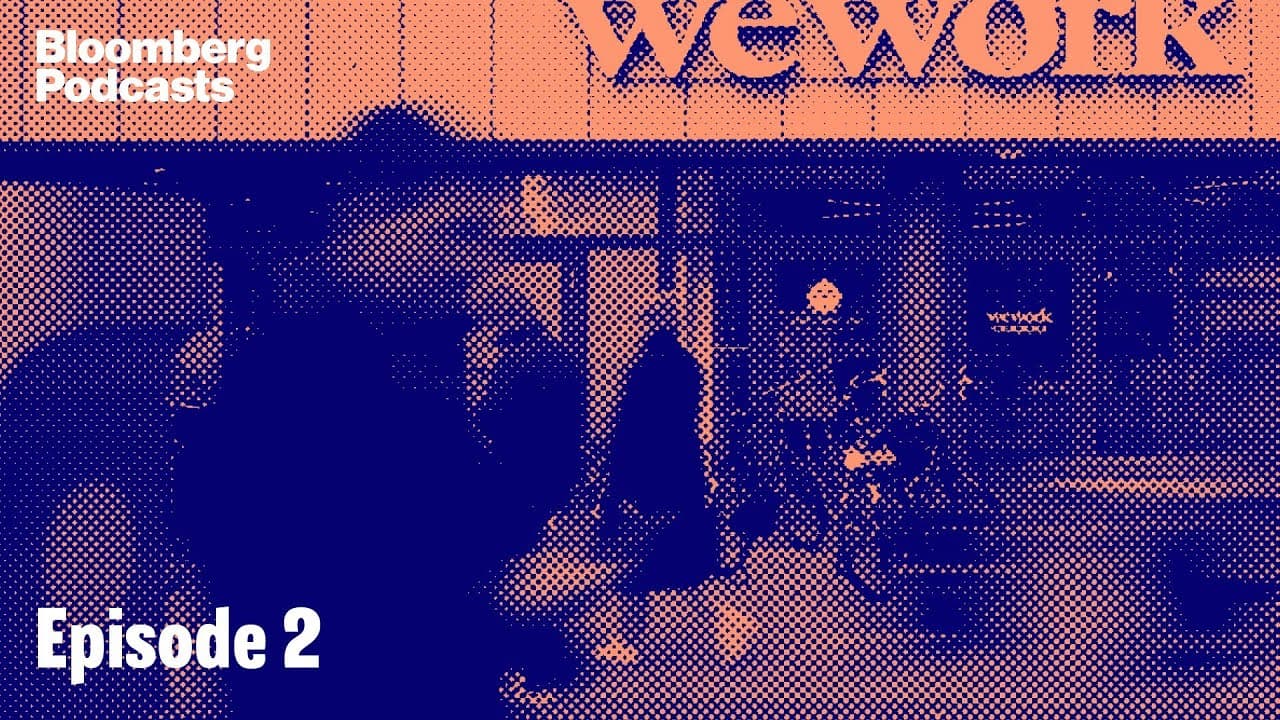
The WeWork Story Part 2: The Bar Is Now At Your Desk
TL;DR
WeWork's early growth was chaotic, blending work and fun.
Transcript
let me introduce you to a guy named carl pierre carl was 25 years old when he became an employee at the wework office in dc he was just a few years out of college he was excited about joining this fast-growing startup and he was surprised by how much of his job involved working with beer tapping a beer keg getting licenses to serve beer and one mor... Read More
Key Insights
- WeWork's brand was heavily tied to offering a fun, social work environment, with beer and parties as central elements.
- The company's rapid expansion led to logistical issues, with some offices opening without basic amenities like doors or functioning bathrooms.
- Employees, often young and inexperienced, faced high stress and chaotic working conditions, leading to burnout and frustration.
- WeWork's culture blurred the lines between work and social life, with parties and socializing encouraged within office spaces.
- The company's leadership, particularly Adam Neumann, focused on selling a vision of community and transformation rather than just office space.
- WeWork's growth strategy was aggressive, aiming for rapid expansion and high valuations, often at the cost of operational stability.
- The internal culture at WeWork included intense meetings and events like 'Thank God It's Monday,' which were met with mixed feelings by employees.
- Despite internal chaos, WeWork managed to attract attention and investment by presenting itself as a revolutionary force in the future of work.
Install to Summarize YouTube Videos and Get Transcripts
Explore YouTube Video Summarizer or Get YouTube Transcript Extractor
Questions & Answers
Q: What role did beer play in WeWork's brand?
Beer was a central element of WeWork's brand, symbolizing the fun and social aspect of its work environment. It was used to attract members and create a sense of community, though it also led to issues like parties getting out of hand and logistical challenges.
Q: How did WeWork's rapid expansion affect its operations?
WeWork's rapid expansion led to numerous operational challenges, such as opening offices without essential amenities like doors or bathrooms. This aggressive growth strategy often resulted in chaotic conditions for employees and dissatisfaction among members.
Q: What was the employee experience like at WeWork during its early years?
Employees at WeWork often faced high stress and chaotic working conditions due to the company's rapid growth and expansion. Many were young and inexperienced, leading to burnout and a feeling of being overwhelmed by the demands of the job.
Q: How did WeWork's leadership present the company to investors and the public?
WeWork's leadership, particularly Adam Neumann, presented the company as a transformative force in the future of work, emphasizing community and social engagement over traditional office space. This vision attracted significant investment and attention despite internal chaos.
Q: What was the purpose of WeWork's 'Thank God It's Monday' meetings?
The 'Thank God It's Monday' meetings were intended to rally employees and celebrate the company's growth and culture. However, they were often seen as exhausting and unnecessary by employees, contributing to the stressful work environment.
Q: How did WeWork's culture blur the lines between work and social life?
WeWork's culture encouraged socializing and partying within the office space, with events and free beer as regular features. This approach aimed to create a fun work environment but also led to a lack of boundaries between professional and personal life.
Q: What challenges did WeWork's community managers face?
Community managers at WeWork dealt with a wide range of issues, from logistical challenges during office openings to managing member complaints and organizing events. They often worked long hours and faced high stress due to the company's rapid growth.
Q: How did WeWork's growth strategy impact its valuation and perception?
WeWork's aggressive growth strategy and emphasis on community and transformation led to high valuations and a positive public perception. However, this approach also masked underlying operational challenges and contributed to the chaotic internal culture.
Summary & Key Takeaways
-
WeWork's early days were marked by rapid growth and chaotic operations, with a focus on creating a fun and social work environment. Employees often dealt with logistical challenges due to the fast-paced expansion.
-
The company's culture encouraged a blend of work and social life, with beer and parties being central to its brand. This approach attracted young employees but also led to burnout and dissatisfaction.
-
Leadership, particularly Adam Neumann, emphasized a vision of community and transformation, which resonated with investors and customers despite the internal chaos and operational challenges.
Read in Other Languages (beta)
Share This Summary 📚
Summarize YouTube Videos and Get Video Transcripts with 1-Click
Try YouTube Summary with ChatGPT & Claude or YouTube Transcript Generator
Explore More Summaries from Bloomberg Originals 📚




Summarize YouTube Videos and Get Video Transcripts with 1-Click
Try YouTube Summary with ChatGPT & Claude or YouTube Transcript Generator