Why Is There a Housing Shortage in 2021?
TL;DR
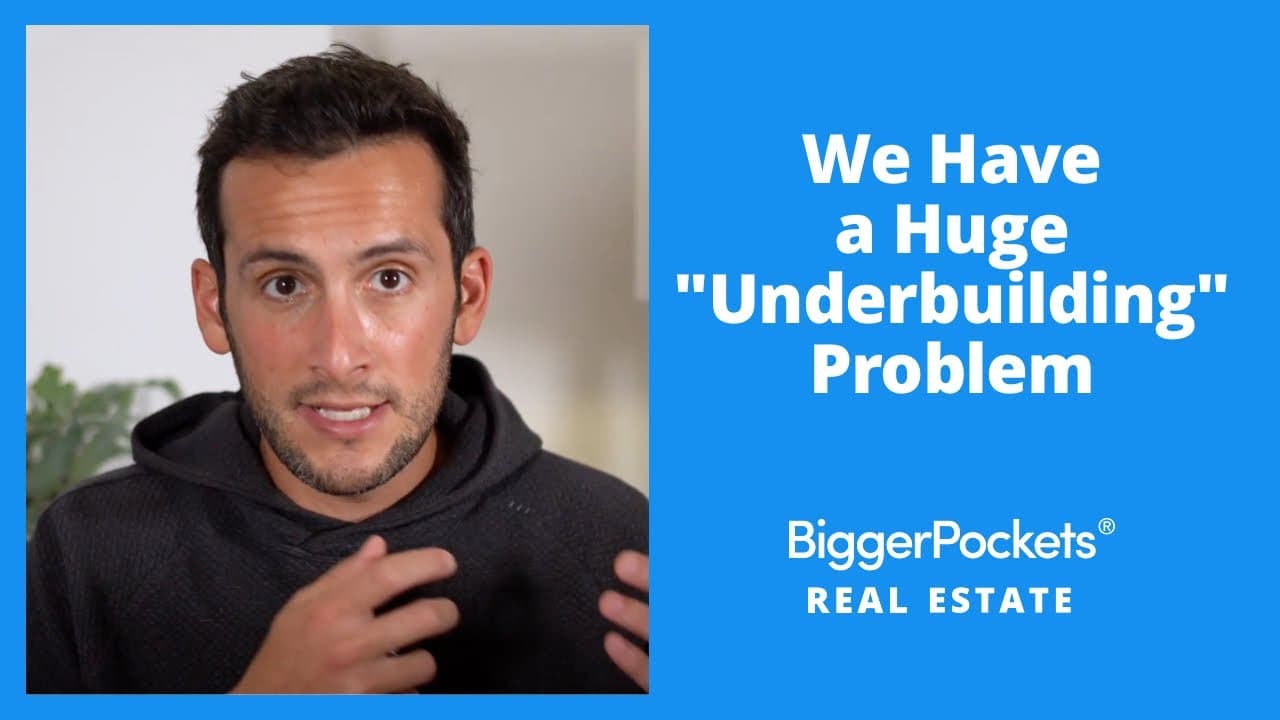
The U.S. faces a significant housing shortage, with a deficit of 3.8 million homes as of 2021, largely due to underbuilding since the Great Recession. Key factors include demographic shifts, labor constraints, and rising material costs. The shortage is expected to persist, driving property prices up, benefiting existing homeowners and investors but challenging new buyers.
Transcript
over the last several months on this show we've talked a great deal about housing prices and whether or not the unprecedented price appreciation of the past few years is sustainable and as a reminder there are a few things that have sent property prices skyrocketing to name a few there are low interest rates strong demographics and low inventory to... Read More
Key Insights
- The U.S. housing shortage is approximately 3.8 million homes as of 2021.
- Home building rates dropped significantly during the Great Recession.
- Current construction rates have not returned to pre-recession levels.
- Labor shortages and material costs hinder construction industry recovery.
- Demographic shifts, especially among millennials, drive housing demand.
- Entry-level home construction has significantly decreased since the 1980s.
- Current building rates suggest a decade-long timeline to resolve the shortage.
- Sustained housing demand will likely continue to drive property prices up.
Install to Summarize YouTube Videos and Get Transcripts
Explore YouTube Video Summarizer or Get YouTube Transcript Extractor
Questions & Answers
Q: What caused the U.S. housing shortage?
The U.S. housing shortage is primarily due to underbuilding since the Great Recession. Factors include a significant drop in home construction during the recession, labor shortages, rising material costs, and restrictive zoning laws. These issues have prevented the housing supply from keeping pace with growing demand, especially from the millennial demographic.
Q: How does the housing shortage affect property prices?
The housing shortage drives property prices up due to the basic economic principle of supply and demand. With a limited number of homes available and increasing demand, particularly from millennials entering peak home-buying age, prices are pushed higher. This trend benefits existing homeowners and investors but makes it challenging for new buyers to enter the market.
Q: Why is the housing shortage particularly challenging for millennials?
Millennials, the largest demographic group in the U.S., are reaching peak home-buying age, significantly increasing demand for homes. However, the shortage of entry-level homes, compounded by high prices, makes it difficult for this group to purchase homes. This limits their ability to build wealth through home ownership, as they compete in a tight market with limited affordable options.
Q: What role do labor shortages play in the housing crisis?
Labor shortages are a major constraint in the construction industry, slowing the rate at which new homes can be built. Many construction firms report difficulties in finding skilled workers, a problem exacerbated by the loss of businesses during the Great Recession. This labor gap contributes to the ongoing housing shortage by limiting the industry's capacity to meet rising demand.
Q: How long will the U.S. housing shortage last?
The U.S. housing shortage is expected to last nearly a decade if current building rates continue. To meet demand and reduce the deficit, construction needs to exceed 1.2 million homes annually. At present rates, it will take about nine and a half years to close the gap, assuming no significant changes in construction pace or economic conditions.
Q: What impact do material costs have on home building?
Rising material costs, such as the significant increase in lumber prices, have made home building more expensive, further constraining the construction industry's ability to address the housing shortage. These costs can delay projects and reduce the number of homes built, contributing to the ongoing deficit and impacting affordability.
Q: How does zoning affect the housing shortage?
Zoning restrictions and land use regulations vary by location and can significantly impact the ability to build new homes. Many areas have outdated or restrictive zoning laws that do not accommodate the growing demand for housing, limiting the supply of available homes and exacerbating the shortage.
Q: What are the prospects for real estate investors in this market?
Real estate investors can benefit from the housing shortage as property prices are likely to continue rising due to sustained demand. This environment offers opportunities for existing investors to build equity and wealth. However, new investors may face challenges entering the market due to high prices and competition, particularly if wage growth does not keep pace with property appreciation.
Summary & Key Takeaways
-
The U.S. housing shortage, with a deficit of 3.8 million homes, stems from underbuilding since the Great Recession. Despite recent increases, construction rates remain below historical averages due to labor and material challenges. Demographic shifts, particularly among millennials, exacerbate demand, driving property prices up and making market entry difficult for new buyers.
-
Construction rates have improved but remain insufficient to close the housing deficit quickly. Factors such as labor shortages, zoning restrictions, and rising material costs continue to impede progress. The shortage particularly affects entry-level homes, intensifying competition and pricing pressures in the market.
-
The housing shortage is expected to persist for nearly a decade, with current building rates needing to exceed 1.2 million homes annually to meet demand. While this benefits existing property owners and investors through price appreciation, it poses challenges for new buyers and investors entering the market.
Read in Other Languages (beta)
Share This Summary 📚
Summarize YouTube Videos and Get Video Transcripts with 1-Click
Try YouTube Summary with ChatGPT & Claude or YouTube Transcript Generator
Explore More Summaries from BiggerPockets 📚



Summarize YouTube Videos and Get Video Transcripts with 1-Click
Try YouTube Summary with ChatGPT & Claude or YouTube Transcript Generator