Connecting Solar to the Grid is Harder Than You Think
TL;DR
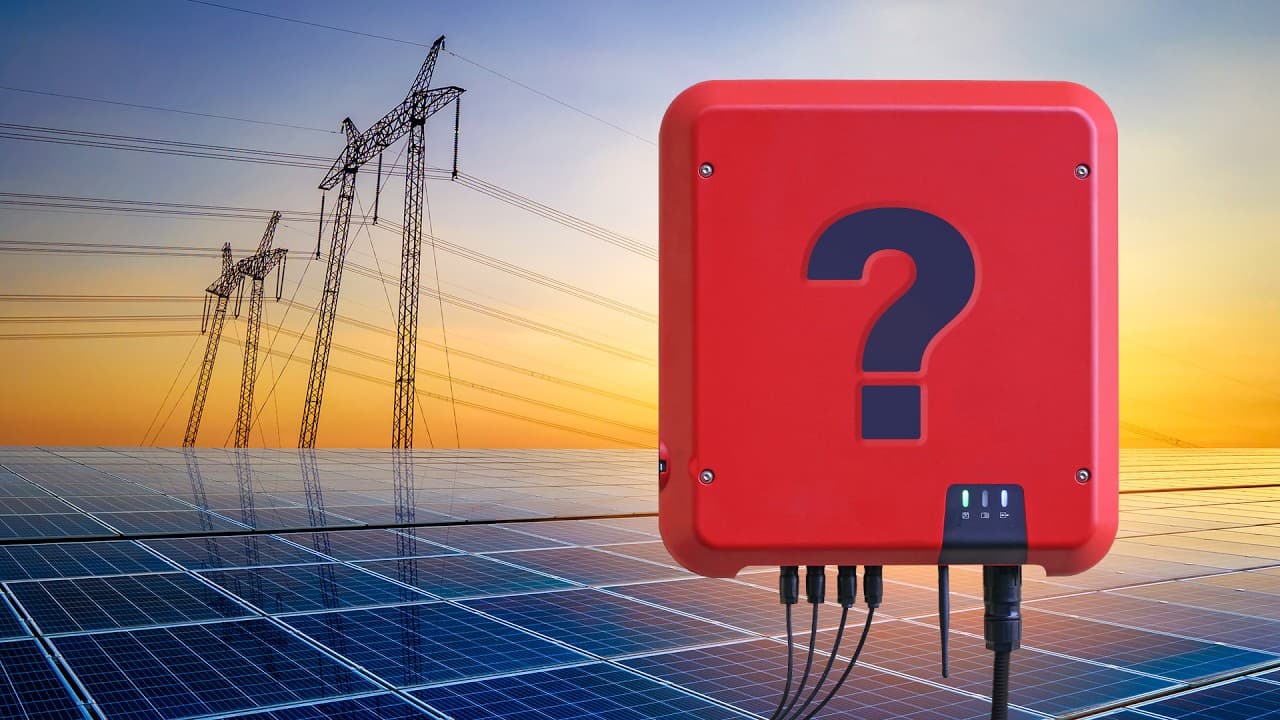
Solar grid integration faces unexpected challenges and engineering hurdles.
Transcript
On June 4, 2022, a small piece of equipment (called a lightning arrestor) at a power plant in Odessa, Texas failed, causing part of the plant to trip offline. It was a fairly typical fault that happens from time to time on the grid. There’s a lot of equipment involved in producing and delivering electricity over vast distances, and every once i... Read More
Key Insights
- The Odessa incident highlighted vulnerabilities in solar power integration, where a minor fault led to a significant power loss due to unexpected inverter reactions.
- Inverter-based resources like solar and wind are becoming more prevalent, but their integration into the AC grid poses unique engineering challenges.
- Inverters must synchronize with the grid's phase and frequency, but lack the inertia of traditional thermal plants, making frequency management challenging.
- Maximum Power Point Trackers (MPPT) optimize solar panel output by adjusting resistance to match changing conditions, maximizing efficiency.
- Inverter-based resources face challenges in responding to grid faults, requiring a balance between protecting equipment and maintaining grid stability.
- Grid-following inverters cannot operate independently during outages, highlighting the need for grid-forming inverters that can initiate power without external support.
- Energy markets incentivize power plants to maintain reserve capacity to respond to under-frequency events, but this can mean operating below maximum output.
- The evolution of inverter technology offers opportunities for improved grid stability and responsiveness, but requires ongoing engineering advancements.
Install to Summarize YouTube Videos and Get Transcripts
Explore YouTube Video Summarizer or Get YouTube Transcript Extractor
Questions & Answers
Q: What caused the significant power loss during the Odessa incident?
The Odessa incident was caused by a failure in a lightning arrestor at a power plant, which led to unexpected reactions from inverter-based resources. The fault caused a significant power loss as inverters across the grid dropped production in response to the disturbance, highlighting vulnerabilities in solar power integration.
Q: How do inverter-based resources differ from traditional thermal power plants?
Inverter-based resources like solar panels and wind turbines operate on direct current (DC) and lack the physical inertia of traditional thermal power plants. They require inverters to convert DC to alternating current (AC) for grid compatibility, presenting unique challenges in synchronization, frequency management, and fault response.
Q: What is the role of Maximum Power Point Trackers (MPPT) in solar energy systems?
Maximum Power Point Trackers (MPPT) optimize the output of solar panels by adjusting resistance to follow the maximum power point as it changes with conditions like temperature and sunlight. This ensures that solar panels operate at peak efficiency, maximizing energy output and system capacity.
Q: Why is frequency management challenging for inverter-based resources?
Frequency management is challenging for inverter-based resources because they lack the physical inertia of traditional power plants, which helps stabilize frequency during disturbances. Inverters must quickly respond to frequency changes, but their grid-following nature and lack of inertia can lead to steeper frequency drops during power losses.
Q: What are grid-forming inverters, and how do they differ from grid-following inverters?
Grid-forming inverters can operate independently of the grid, initiating power without external support, unlike grid-following inverters that require an existing grid to synchronize with. Grid-forming inverters are essential for black starts and supporting isolated systems, offering greater flexibility and resilience in power generation.
Q: How do energy markets incentivize reserve capacity in power plants?
Energy markets incentivize reserve capacity by compensating power plants for maintaining a certain level of backup power. This can involve operating below maximum output or incorporating battery storage, ensuring that additional power is available to inject into the grid during under-frequency events or unexpected power losses.
Q: What challenges do inverter-based resources face in fault management?
Inverter-based resources face challenges in fault management as they need protective systems to prevent damage during grid disturbances. However, these systems must not be overly sensitive to minor faults, which could lead to unnecessary power reductions or outages, requiring a balance between equipment protection and grid stability.
Q: What opportunities do advancements in inverter technology offer for the grid?
Advancements in inverter technology offer opportunities for improved grid stability and responsiveness. Inverters can provide quick and sustained responses to frequency changes, support grid-forming capabilities, and offer greater flexibility in power management. These advancements are crucial for integrating renewable energy sources and enhancing grid resilience.
Summary & Key Takeaways
-
The Odessa power incident demonstrated the complexities of integrating solar energy into the existing grid, where a minor fault led to a significant power loss due to inverter reactions. This event underscores the need for improved synchronization and stability measures as inverter-based resources grow.
-
Inverter-based resources, such as solar and wind, present unique challenges when connected to the AC grid. These resources lack the physical inertia of traditional power plants, complicating frequency management and requiring advanced technologies like Maximum Power Point Trackers for optimal efficiency.
-
The integration of renewable energy sources into the grid is in a transitional phase, with engineering challenges such as fault management, frequency response, and the need for grid-forming inverters. Despite these challenges, advancements in inverter technology promise a more resilient and sustainable energy future.
Read in Other Languages (beta)
Share This Summary 📚
Summarize YouTube Videos and Get Video Transcripts with 1-Click
Try YouTube Summary with ChatGPT & Claude or YouTube Transcript Generator
Explore More Summaries from Practical Engineering 📚

Summarize YouTube Videos and Get Video Transcripts with 1-Click
Try YouTube Summary with ChatGPT & Claude or YouTube Transcript Generator