How to Effectively Plan Your Day as a PhD Student

TL;DR
Time blocking is a powerful method for planning your day effectively by grouping similar tasks into dedicated time periods. This approach enhances focus, mitigates the downsides of multitasking, and improves overall productivity—particularly for deep work. Implementing time blocks can lead to a more organised and efficient workday.
Transcript
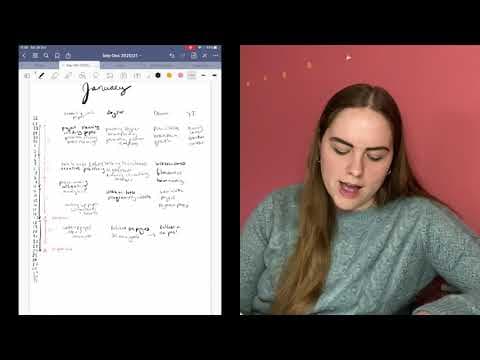
hello everyone and welcome back to my channel today i wanted to share with you how i plan my day since i've already done like a weekly planning video and a couple of other ones throughout this vlog miss period i wanted to share with you how i plan my day as a phd student using a method called time blocking or task batching i'll be doing a tutorial ... Read More
Key Insights
- ⌛ Time blocking, also known as task batching, is a method that groups similar tasks together in specific time blocks for better focus and efficiency.
- 🥺 Multitasking is not effective, as it leads to attention residue and fragmented focus.
- 💦 Time blocking is especially beneficial for deep work or cognitively demanding tasks that require uninterrupted concentration.
- ⌛ Various productivity books, like "The 4-Hour Work Week" by Tim Ferriss and "Deep Work" by Cal Newport, discuss the concept of time blocking.
- ⌛ Allocating specific time blocks for different tasks can help reduce distractions and improve productivity.
- 🥳 Time blocking allows for flexibility and adjustments as the day progresses or circumstances change.
- ⌛ Implementing time blocking can help individuals stay focused and complete tasks more efficiently.
Install to Summarize YouTube Videos and Get Transcripts
Explore YouTube Video Summarizer or Get YouTube Transcript Extractor
Questions & Answers
Q: What is time blocking and how can it improve productivity?
Time blocking is a method of organizing your day by grouping similar tasks together in specific time blocks. It improves productivity by reducing multitasking and increasing focus on important tasks.
Q: How does time blocking benefit deep work or cognitively demanding tasks?
Time blocking enables individuals to allocate dedicated periods for deep work, allowing them to fully concentrate on demanding tasks, such as problem-solving, data analysis, or writing papers.
Q: What are the drawbacks of not using time blocking?
Without time blocking, your day could become fragmented and inefficient. Constantly switching between tasks can lead to attention residue and decreased focus on deep work or cognitively demanding tasks.
Q: Can time blocking help with reducing distractions like social media?
Yes, time blocking can be used to set specific periods where distractions like social media are not allowed. By adhering to these rules, individuals can maintain a routine and achieve higher levels of productivity.
Summary & Key Takeaways
-
The content discusses the concept of time blocking or task batching to enhance productivity.
-
Time blocking involves grouping similar tasks together in specific time blocks for better focus and efficiency.
-
Multitasking is not effective, and time blocking helps keep the mind focused on important tasks.
Read in Other Languages (beta)
Share This Summary 📚
Summarize YouTube Videos and Get Video Transcripts with 1-Click
Try YouTube Summary with ChatGPT & Claude or YouTube Transcript Generator
Explore More Summaries from PhD and Productivity 📚





Summarize YouTube Videos and Get Video Transcripts with 1-Click
Try YouTube Summary with ChatGPT & Claude or YouTube Transcript Generator