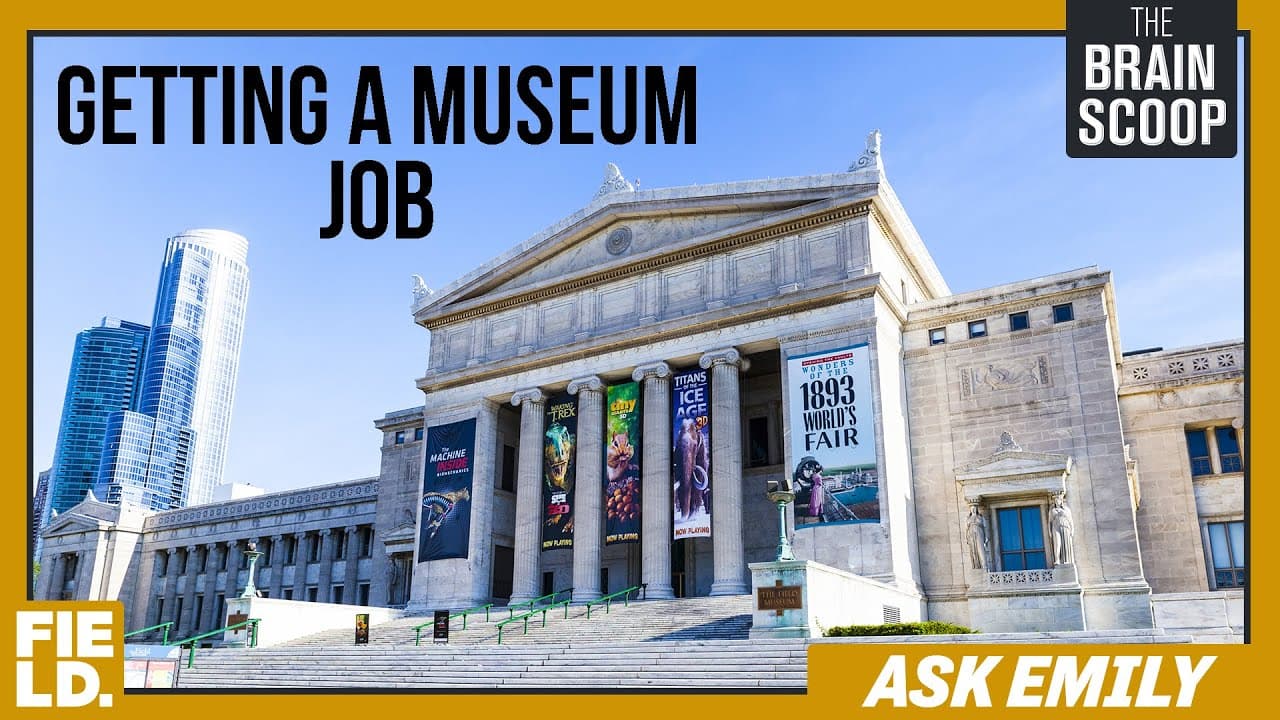
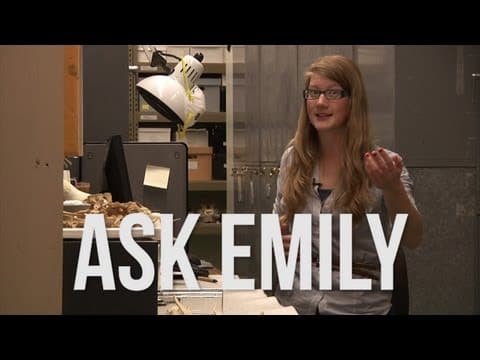
How Do I Get A Museum Job? | Ask Emily
TL;DR
Emily Graslie provides advice for entering the museum field, shares her activities at the museum, discusses the exploration of the ocean, and recounts her career transition.
Transcript
Typing It says "Welcome to The Brain Scoop." But you can't see that. Leigh Pfeffer asks: What advice do you have for someone looking for an entry level job in a museum? What, beyond volunteering, can you do? I'll say it a million times because it is still the best answer to this question. Volunteering, besides volunteering or interning, is the be... Read More
Key Insights
- 🤲 Volunteering and interning are essential for getting a foot in the door in the museum field.
- 🔉 Museum professionals engage in various activities, including research, planning, social media management, collaborating with curators, and public speaking.
- 👾 The ocean remains largely unexplored due to historical prioritization of space exploration, technological limitations, and competition for funding.
- 👪 Transitioning to a career in museums often involves emotional conversations with friends and family.
- 🦧 Pickling animal guts preserves the fecal matter, allowing for insights into the animal's diet and gut bacteria.
- ❤️🔥 Unexpected discoveries at The Field Museum include evidence of ancient fires and the ability of adult butterflies to recall memories from their caterpillar stage.
- 💦 Emily has been mistaken for an actress while working in the museum field.
Install to Summarize YouTube Videos and Get Transcripts
Explore YouTube Video Summarizer or Get YouTube Transcript Extractor
Questions & Answers
Q: What advice does Emily Graslie have for someone looking for an entry-level job in a museum?
Emily believes that volunteering is the best way to get a foot in the door in a museum. Many professionals in the field, including those at The Field Museum, started out as volunteers or interns.
Q: What does Emily spend the majority of her time doing at the museum when not filming The Brain Scoop?
Emily's time is filled with various tasks, such as researching and planning for future episodes, collaborating with curators, managing social media platforms, attending events, accessing specimens, and engaging with different communities.
Q: Why has so little of the ocean been explored?
The ocean has been comparatively less explored due to historical prioritization of space exploration, limited deep-sea technologies, and competition for research funding. Space exploration generates greater public interest and funding support.
Q: How did Emily Graslie inform her friends and family about her career change?
Emily vividly remembers sharing her desire to quit her job as a baker and pursue a career in museums with her mom during a tearful phone conversation. She also recalls telling a coworker during her undergraduate years that she wanted to work with animal skins.
Q: When pickling animal guts, does the fecal matter get pickled with everything else?
Yes, the fecal matter remains with the specimen during the pickling process. It provides insights into the animal's diet and the ecology of gut bacteria, which is significant for understanding the species.
Q: What is the most fascinating unexpected discovery Emily has made at The Field Museum?
Emily recently came across evidence of a fire that burned on Earth around 419 million years ago. The discovery of charred remains and ash from a time before plants existed fascinated her.
Q: How liquid does a caterpillar become during metamorphosis, and does metamorphosis "kill" the caterpillar?
The transformation process involves the caterpillar becoming quite gooey as it changes into a butterfly. Some cells shrink, while others grow and stretch. However, metamorphosis is more akin to a structured rebuilding than to death and revival.
Q: What is the weirdest question Emily has been asked while working in a museum?
Someone once mistook Emily for an actress and asked about her "coach." She had to clarify that she plays herself on The Brain Scoop and not any other characters.
Summary & Key Takeaways
-
Volunteering is the best way to get an entry-level job in a museum, according to Emily Graslie.
-
When not filming The Brain Scoop, Emily spends her time researching, planning, engaging with curators, managing social media, attending events, and more.
-
The lack of ocean exploration is attributed to historical prioritization of space exploration, technological limitations, and competition for research funding.
Read in Other Languages (beta)
Share This Summary 📚
Summarize YouTube Videos and Get Video Transcripts with 1-Click
Try YouTube Summary with ChatGPT & Claude or YouTube Transcript Generator
Explore More Summaries from thebrainscoop 📚
Summarize YouTube Videos and Get Video Transcripts with 1-Click
Try YouTube Summary with ChatGPT & Claude or YouTube Transcript Generator