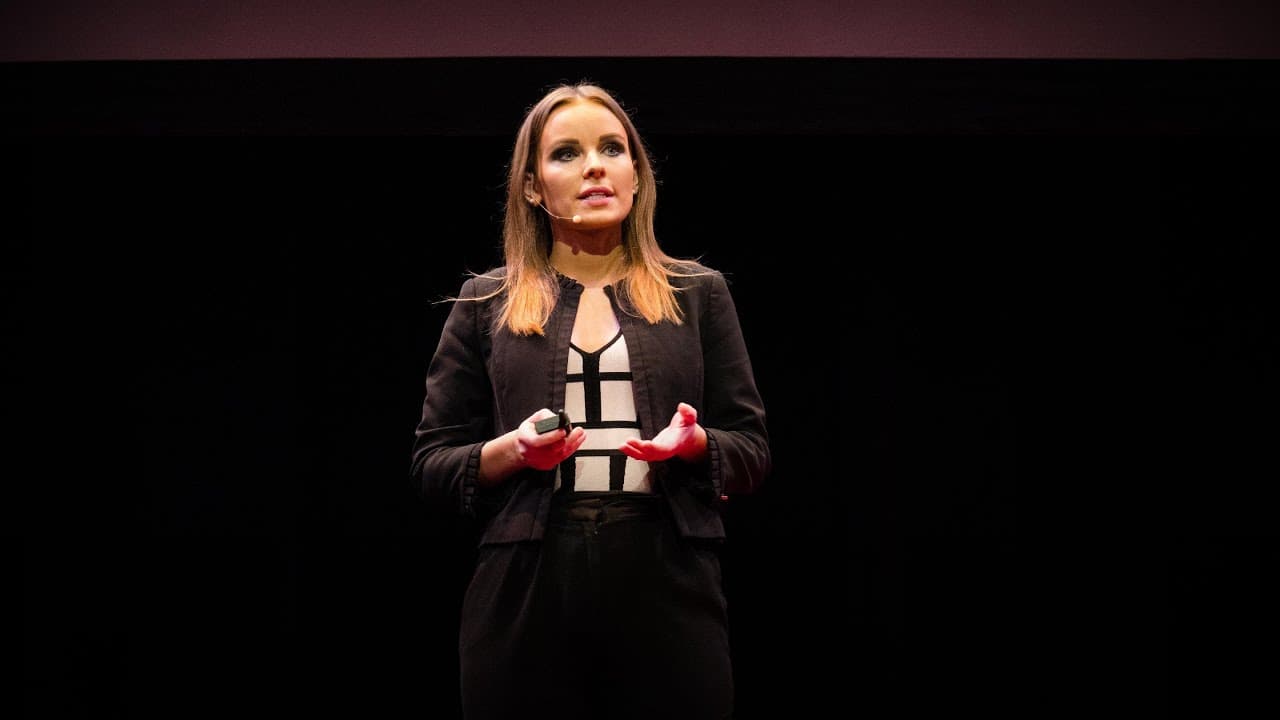
How nanoparticles could change the way we treat cancer | Joy Wolfram
TL;DR
This content discusses the use of nanoparticles in cancer research and the challenges in delivering cancer drugs to tumors.
Transcript
It was a Sunday afternoon back in April of this year. My phone was ringing, I picked it up. The voice said, "It's Rebecca. I'm just calling to invite you to my funeral." I said, "Rebecca, what are you talking about?" She said, "Joy, as my friend, you have to let me go. It's my time." The next day, she was dead. Rebecca was 31 years old when she die... Read More
Key Insights
- 💔 Cancer research has been limited in its ability to improve patient survival rates, especially for aggressive cancers, despite billions of dollars spent by the US government since the 1970s.
- 🔥 Nanoparticles can serve as "fire trucks" to transport cancer drugs to the tumor, preventing them from being washed out and allowing them more time to target the cancer cells.
- 🧫 Nanoparticles have various tools, including protection of drugs from degradation, surface extensions that help them attach to cancer cells, and the ability to circulate in the blood without being recognized as foreign objects.
- 🔬 Currently approved nanoparticles face challenges with being recognized and destroyed by the liver's immune cells, preventing them from reaching the tumor.
- 🔒 A potential solution involves disarming the immune cells in the liver using a clinically approved malaria drug that prevents them from internalizing the nanoparticles.
- 🧪 Another strategy is using biological nanoparticles already present in the body, which are less likely to be labeled as foreign by the liver and can be used as carriers for cancer drugs.
- 💉 Isolating and processing large quantities of biological nanoparticles without damaging them is a challenge that has been addressed by the development of an efficient method in the lab.
- 👥 The journey from lab to clinical use takes around 12 years, highlighting the importance of collaboration between scientists and physicians to bring advancements to patients and improve their quality of life.
Install to Summarize YouTube Videos and Get Transcripts
Explore YouTube Video Summarizer or Get YouTube Transcript Extractor
Questions & Answers
Q: What is the main problem with current cancer drugs that are sent out to fight cancer?
The main problem with current cancer drugs is that they lack transportation and tools to effectively reach the tumor they are targeting. Over 99 percent of these drugs never make it to the tumor, failing to provide the desired treatment.
Q: How can nanoparticles be used to transport cancer drugs to the tumor?
Nanoparticles can be loaded with cancer drugs and serve as carriers to transport them to the tumor. These nanoparticles have an extensive toolbox that allows them to overcome the challenges faced by traditional drugs. They can circulate in the blood and avoid being washed out by the body, giving them more time to find the tumor and deliver the drugs.
Q: What are some tools that nanoparticles have to help in the transportation of cancer drugs?
Nanoparticles have various tools to aid in the transportation of cancer drugs. They can protect the drugs from getting destroyed inside the body, allowing them to function properly. Additionally, these nanoparticles have surface extensions that can attach onto cancer cells, buying more time for the drugs to do their job. These are just a few examples of the many tools nanoparticles possess.
Q: What are the challenges and limitations faced by currently approved nanoparticles?
One major challenge is the liver, which recognizes and destroys foreign objects, including nanoparticles. This prevents the nanoparticles from reaching the tumor effectively. To improve nanoparticles, a future strategy involves temporarily disarming the immune cells in the liver using clinically approved drugs. Another approach is using biological nanoparticles found in the body, which are less likely to be recognized as foreign by the liver. However, isolating these biological nanoparticles in large quantities without causing damage remains a challenge.
Summary & Key Takeaways
-
Rebecca, a 31-year-old woman, died from breast cancer after an eight-year struggle. The speaker feels responsible for failing her and believes that current cancer research methods have not been effective in saving patients.
-
Nanoparticles can be used as "fire trucks" to transport cancer drugs to the tumor, unlike traditional drugs that get washed out of the body. Nanoparticles have various tools and abilities to protect and deliver the drugs effectively.
-
The liver poses a challenge for nanoparticles as it recognizes and destroys foreign objects, including nanoparticles. However, disarming immune cells in the liver and using the body's own nanoparticles can improve drug delivery to the tumor. The speaker's lab has developed a method to isolate and produce high-quality biological nanoparticles.
Read in Other Languages (beta)
Share This Summary 📚
Summarize YouTube Videos and Get Video Transcripts with 1-Click
Try YouTube Summary with ChatGPT & Claude or YouTube Transcript Generator
Explore More Summaries from TED 📚



Summarize YouTube Videos and Get Video Transcripts with 1-Click
Try YouTube Summary with ChatGPT & Claude or YouTube Transcript Generator