What Are Google's Recommendations for Header Tags and SEO?
TL;DR
Google recommends that header tags (h1, h2, h3) don't need to follow a strict order for SEO; they are mainly used for understanding page context. For large pages, splitting content into smaller sections may impact indexing speed and traffic, whereas using normal markup is preferred over the Data Highlighter tool. AMP enhances user experience but does not directly boost rankings.
Transcript
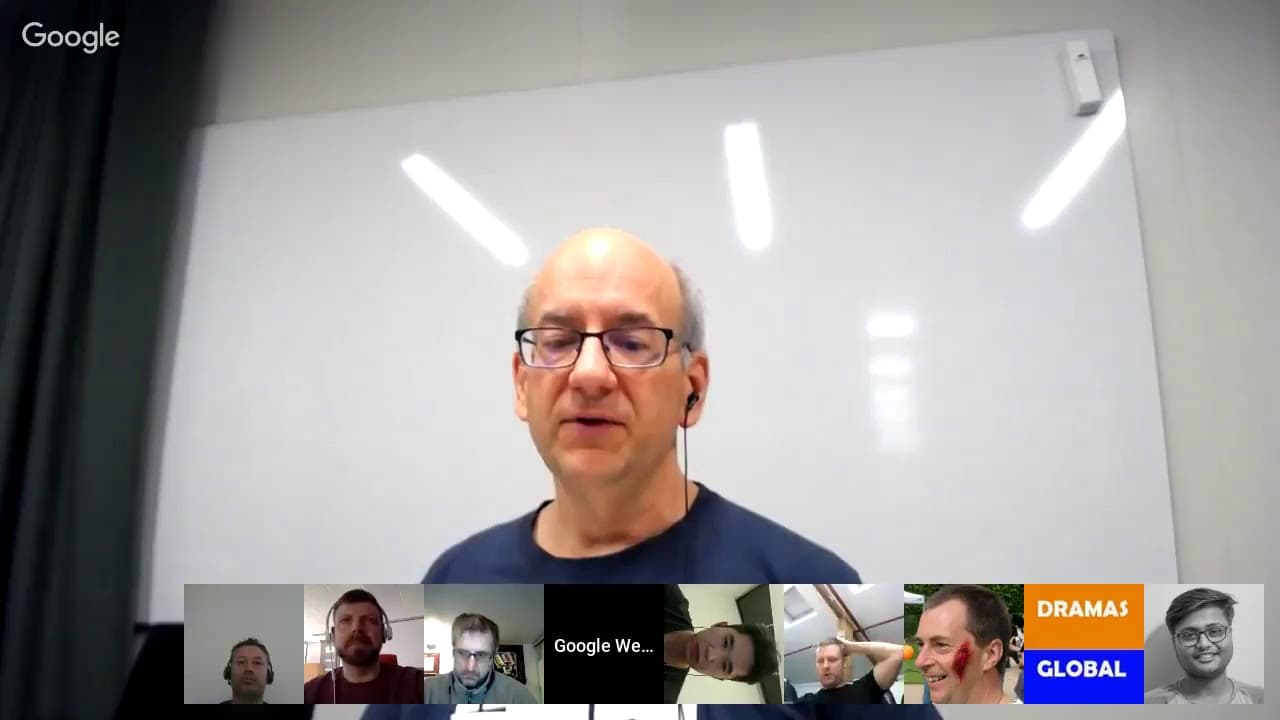
JOHN MUELLER: All right. Welcome everyone to today's Webmaster Central Office Hours Hangouts. My name is John Mueller. I am a webmaster trends analyst at Google here in Switzerland. And part of what we do are these Office Hours Hangouts with webmasters and publishers from around the world, and any web search, website-related questions they might ha... Read More
Key Insights
- Header tags (h1, h2, h3) don't need a strict order; they help understand page context.
- The Data Highlighter tool is optional; using normal markup is often simpler and more reliable.
- Splitting large pages into multiple smaller pages can affect traffic and indexing speed.
- Mobile-first indexing considers mobile site content; it doesn't require a perfect mobile design.
- AMP doesn't directly increase rankings; it improves page load speed and user experience.
- Internal search pages should be noindexed if they offer low-quality content.
- Google uses machine learning in indexing but not as a sole determinant of quality.
- High bounce rates can indicate user dissatisfaction but don't directly impact search rankings.
Install to Summarize YouTube Videos and Get Transcripts
Explore YouTube Video Summarizer or Get YouTube Transcript Extractor
Questions & Answers
Q: Does the order of header tags impact SEO?
The order of header tags (h1, h2, h3) does not impact SEO. They are used to understand the page's content context, not for strict hierarchical structure. It's acceptable to have multiple h1s or an unconventional order due to page templates.
Q: Should I use the Data Highlighter tool or normal markup?
Using normal markup is recommended over the Data Highlighter tool. It provides more control and reliability, especially if your site has a flat architecture that confuses the tool. Proper markup directly on the page is more straightforward.
Q: How does splitting large pages affect SEO?
Splitting large pages into smaller sections can dilute their value, impacting traffic and indexing. Each smaller page must provide complete context and content. Testing changes on a sample before a full site update is advisable to assess SEO impact.
Q: Does mobile-first indexing require a perfect mobile site?
Mobile-first indexing does not require a perfect mobile site. It uses the mobile version for indexing, so the content should be present. A site not optimized for mobile may still perform well if it has the necessary content and structure.
Q: Can AMP increase my site's search rankings?
AMP itself does not directly increase rankings. It enhances page load speed and user experience, which can lead to indirect benefits like higher engagement and lower bounce rates. However, AMP pages may appear in different search features.
Q: Should internal search pages be indexed?
Internal search pages are often low quality and should be noindexed to prevent crawling inefficiencies and potential quality issues. Ensure Google can still access all product pages through category pages and other navigational elements.
Q: Does Google use machine learning for indexing?
Google employs machine learning to improve understanding of web pages for indexing and ranking. However, it is not the sole determinant of quality. Machine learning aids in refining algorithms rather than making independent decisions.
Q: Do high bounce rates affect search rankings?
High bounce rates do not directly impact search rankings. They are more indicative of user satisfaction or site usability issues. Bounce rates can provide insights into potential problems with content or user experience that may indirectly affect SEO.
Summary & Key Takeaways
-
John Mueller holds a Webmaster Central office hours hangout to address various webmaster concerns. Participants ask about header tags, the Data Highlighter tool, and the impact of splitting large web pages. John emphasizes that header tags do not require a strict order for SEO purposes.
-
Discussions include the impact of mobile-first indexing and AMP on search rankings. Mueller clarifies that while AMP can enhance user experience, it doesn't directly boost rankings. He advises on handling internal search pages and the importance of quality content.
-
Mueller addresses questions about bounce rates and the indirect effects of user engagement on search rankings. He explains that while bounce rates don't directly affect SEO, they can indicate issues with user satisfaction or site usability.
Read in Other Languages (beta)
Share This Summary 📚
Summarize YouTube Videos and Get Video Transcripts with 1-Click
Try YouTube Summary with ChatGPT & Claude or YouTube Transcript Generator
Explore More Summaries from Google Search Central 📚





Summarize YouTube Videos and Get Video Transcripts with 1-Click
Try YouTube Summary with ChatGPT & Claude or YouTube Transcript Generator