Catching Interstellar Objects. What If We Could Explore Oumuamua Or 2I/Borisov?
TL;DR
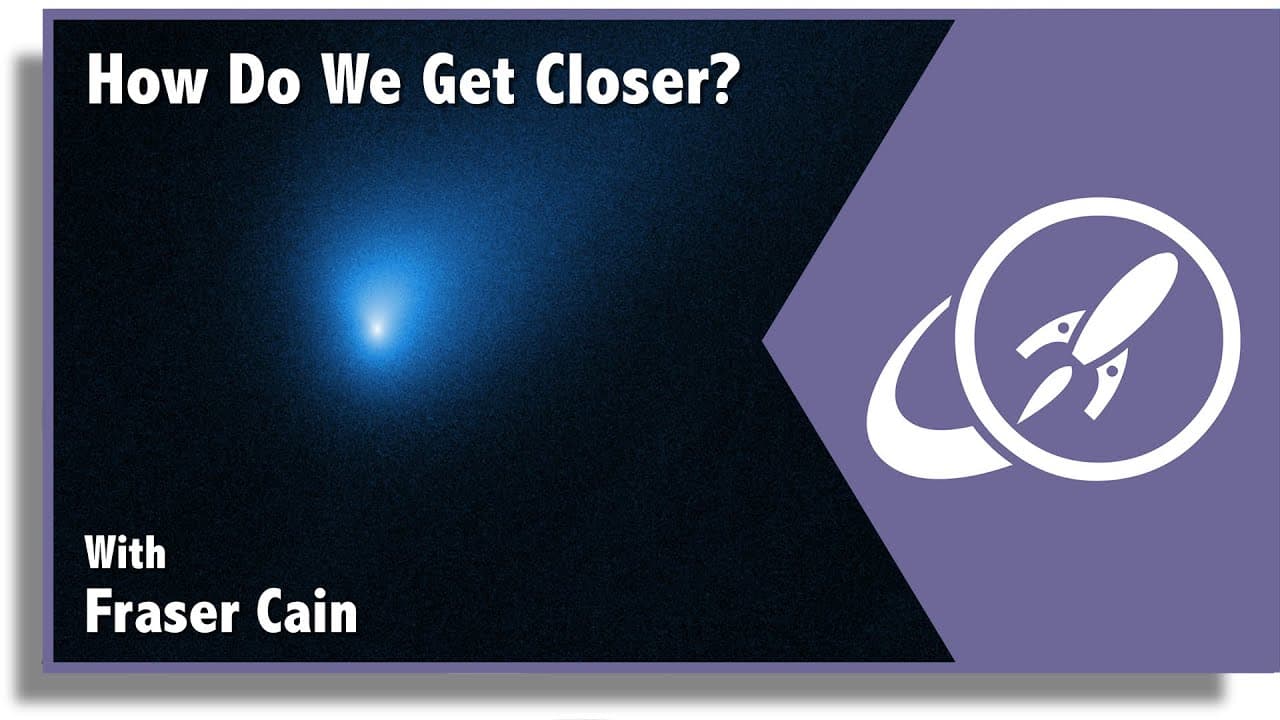
Astronomers have detected interstellar objects in our solar system, such as Oumuamua and Comet 2I/Borisov, which provide valuable insights into the formation of the universe. While studying them up close is challenging, there are proposed missions that aim to intercept and gather data from these objects.
Transcript
the distances to other stars are depressingly enormous sure it's incredibly far to go to Mars Jupiter and even Pluto but at least you can design a robotic spacecraft to make the journey and see the science results in your own lifetime but in the case of other stars interstellar flight times will take thousands and even tens of thousands of years to... Read More
Key Insights
- 🤩 Interstellar objects provide valuable insights into the formation and composition of distant star systems.
- 🤩 Oumuamua's elongated shape suggests the possibility of gravitational merging in another star system.
- 😚 The Comet Interceptor mission and Dynamic Orbital Slingshot proposal offer potential ways to study interstellar objects up close.
- 🚀 Discovering interstellar objects earlier is crucial for launching missions to intercept them.
Install to Summarize YouTube Videos and Get Transcripts
Explore YouTube Video Summarizer or Get YouTube Transcript Extractor
Questions & Answers
Q: How did astronomers discover interstellar objects in our solar system?
Interstellar objects, including Oumuamua and Comet 2I/Borisov, were detected using telescopes on Earth. Oumuamua was initially observed by the Pan-STARRS telescope in Hawaii in 2017, while Comet 2I/Borisov was discovered by an amateur astronomer in 2019.
Q: What is unique about the shape of Oumuamua?
Oumuamua has a highly elongated shape, unlike any known object in our solar system. This shape suggests that it may have been formed through the gravitational merging of tidally fragmented planets in another star system.
Q: How did astronomers determine the origin of Comet 2I/Borisov?
By studying Comet 2I/Borisov's composition and trajectory, astronomers concluded that it originated from outside our solar system. Observations using the Atacama Large Millimeter Array revealed that it formed in an incredibly cold environment.
Q: Are there any proposed missions to intercept interstellar objects?
Yes, two proposed missions include the European Space Agency's Comet Interceptor, which aims to intercept and study interstellar objects, and NASA's Dynamic Orbital Slingshot concept, which suggests using solar-sail-equipped static satellites to rendezvous with these objects.
Summary & Key Takeaways
-
Interstellar objects, such as Oumuamua and Comet 2I/Borisov, have been observed in our solar system, providing significant scientific knowledge about distant star systems.
-
Oumuamua, the first detected interstellar object, has an elongated shape that suggests it may be the result of the gravitational combining of fragmented planets.
-
The mission called the "Comet Interceptor" by the European Space Agency aims to intercept and study interstellar objects, while NASA's "Dynamic Orbital Slingshot" proposal suggests using solar-sail-equipped static satellites to rendezvous with these objects.
Read in Other Languages (beta)
Share This Summary 📚
Summarize YouTube Videos and Get Video Transcripts with 1-Click
Try YouTube Summary with ChatGPT & Claude or YouTube Transcript Generator
Explore More Summaries from Fraser Cain 📚




Summarize YouTube Videos and Get Video Transcripts with 1-Click
Try YouTube Summary with ChatGPT & Claude or YouTube Transcript Generator