Are Tiny Homes Profitable Investments?
TL;DR
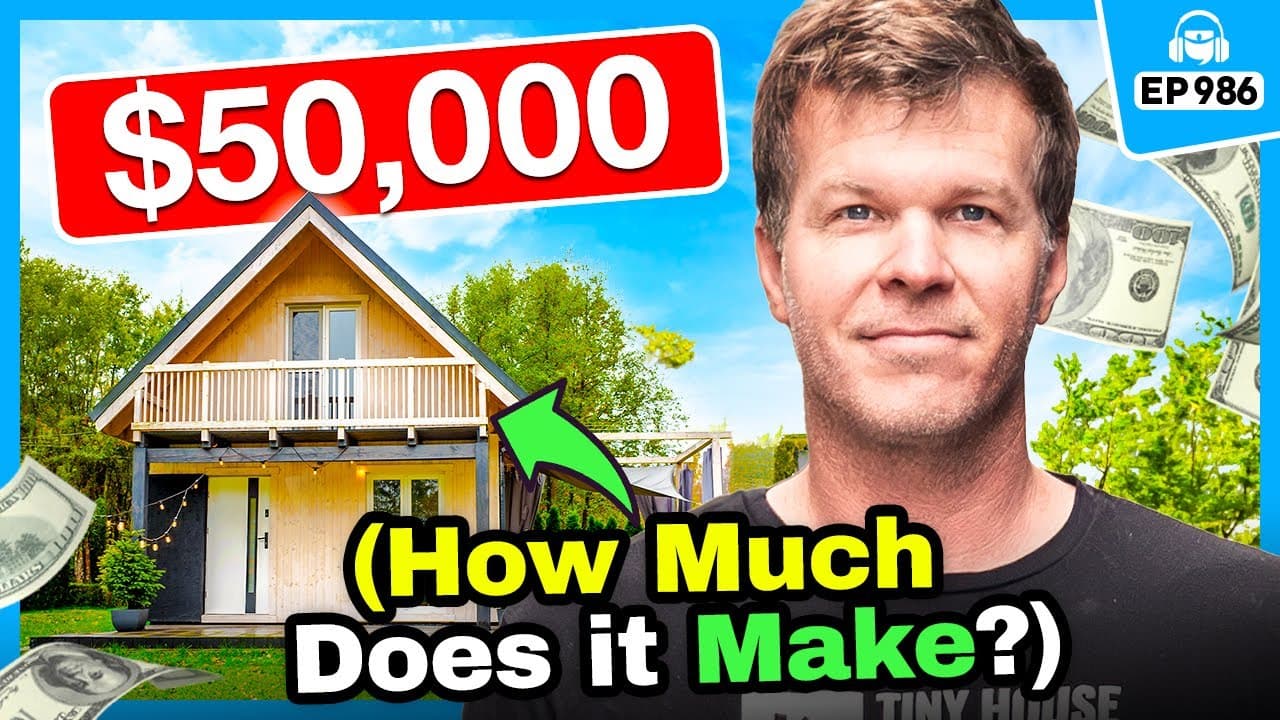
Tiny homes can be a lucrative investment due to their low cost and potential high rental income. With average costs significantly lower than traditional homes, they offer a solution to housing affordability issues. Investors can capitalize on this trend by purchasing land with minimal restrictions and setting up tiny home communities, which cater to a growing demographic seeking affordable housing options.
Transcript
rent is super expensive right now housing is at its lowest affordability point in 40 years and one estimate showed that about half of Americans have struggled to pay their mortgage or rent at some point in the last year this points to a bigger issue in the housing market that you're probably aware of if you listen to this podcast but it's that supp... Read More
Key Insights
- Tiny homes are significantly cheaper than traditional homes, costing between $35,000 to $55,000 on average.
- Investors can earn substantial rental income, with tiny homes generating around $1,400 per month.
- Zoning and building restrictions are major challenges for tiny home investments.
- Tiny homes appeal to a wide demographic, particularly women over 55 seeking affordable living options.
- Tiny home communities can be developed on land with minimal restrictions, offering investors a profitable venture.
- Insurance for tiny homes is generally categorized as personal property insurance, with costs varying significantly.
- Financing options for tiny homes are available, often resembling car loans rather than traditional mortgages.
- Tenant retention in tiny home communities is promising due to high-quality tenants with low debt-to-income ratios.
Install to Summarize YouTube Videos and Get Transcripts
Explore YouTube Video Summarizer or Get YouTube Transcript Extractor
Questions & Answers
Q: How do tiny homes compare to traditional homes in terms of cost?
Tiny homes are significantly cheaper than traditional homes, with average costs ranging from $35,000 to $55,000. This is about 14% of the average selling price of a traditional home in the United States, making them an attractive option for investors and homeowners seeking affordable housing solutions.
Q: What are the rental income prospects for tiny homes?
Tiny homes can generate substantial rental income, with average monthly rents around $1,400. This high rental yield, combined with the low initial investment, makes tiny homes a potentially lucrative investment, offering a quick return on investment compared to traditional real estate properties.
Q: What are the main challenges of investing in tiny homes?
The primary challenges in investing in tiny homes are zoning and building restrictions, which can vary significantly by location. Investors need to navigate these regulations carefully to successfully develop tiny home communities. Finding land with minimal restrictions is crucial for maximizing investment potential.
Q: Who are the typical tenants for tiny home communities?
Tiny home communities often attract a diverse demographic, with a significant portion being women aged 55 and older. These tenants are typically seeking affordable and flexible living options. The communities appeal to those who value lifestyle over property appreciation, offering a unique living experience.
Q: Can tiny homes appreciate in value?
While tiny homes themselves do not typically appreciate like traditional homes, due to being personal property, the value proposition lies in cost savings and rental income. Investors focus on the immediate financial benefits of lower costs and higher rental yields rather than long-term appreciation.
Q: What financing options are available for tiny homes?
Financing for tiny homes is available, often resembling vehicle loans rather than traditional mortgages. Accredited tiny home builders can offer financing options to buyers, making it easier for investors and homeowners to purchase these homes without needing to pay the full amount upfront.
Q: What insurance options exist for tiny homes?
Insurance for tiny homes is typically categorized as personal property insurance, with premiums ranging from $300 to $900 annually. The insurance covers the home as a movable asset, similar to RV insurance, and is necessary to protect the investment against potential risks.
Q: How can investors start with tiny home investments?
Investors should begin by researching land with minimal zoning and building restrictions. Joining online communities and consulting with local real estate agents can help identify suitable properties. Starting with a small number of homes and gradually expanding the community can mitigate risks and maximize returns.
Summary & Key Takeaways
-
Tiny homes offer a cost-effective investment opportunity due to their low construction costs and high rental potential. Investors can capitalize on this by developing tiny home communities in areas with minimal zoning restrictions. These homes appeal to a diverse demographic, particularly those seeking affordable housing solutions.
-
The primary challenge for tiny home investments is navigating zoning and building restrictions. However, communities developed in areas with fewer regulations can provide significant returns. Tiny homes can be financed similarly to vehicles, with insurance options available for personal property.
-
Tiny home communities attract high-quality tenants, often from outside the local area, due to their affordability and flexibility. Investors can benefit from the growing demand for affordable housing, particularly among older women, by strategically developing these communities.
Read in Other Languages (beta)
Share This Summary 📚
Summarize YouTube Videos and Get Video Transcripts with 1-Click
Try YouTube Summary with ChatGPT & Claude or YouTube Transcript Generator
Explore More Summaries from BiggerPockets 📚






Summarize YouTube Videos and Get Video Transcripts with 1-Click
Try YouTube Summary with ChatGPT & Claude or YouTube Transcript Generator