Why Do Eyewitnesses Make Mistakes in Criminal Cases?
TL;DR
Eyewitnesses frequently err in identifying suspects, leading to wrongful convictions, as seen in the Francisco CIO case where no physical evidence supported the eyewitness claims. Scientific analysis revealed poor lighting conditions, making accurate identifications nearly impossible. This emphasizes the need for integrating science into the legal process to enhance the reliability of testimonies.
Transcript
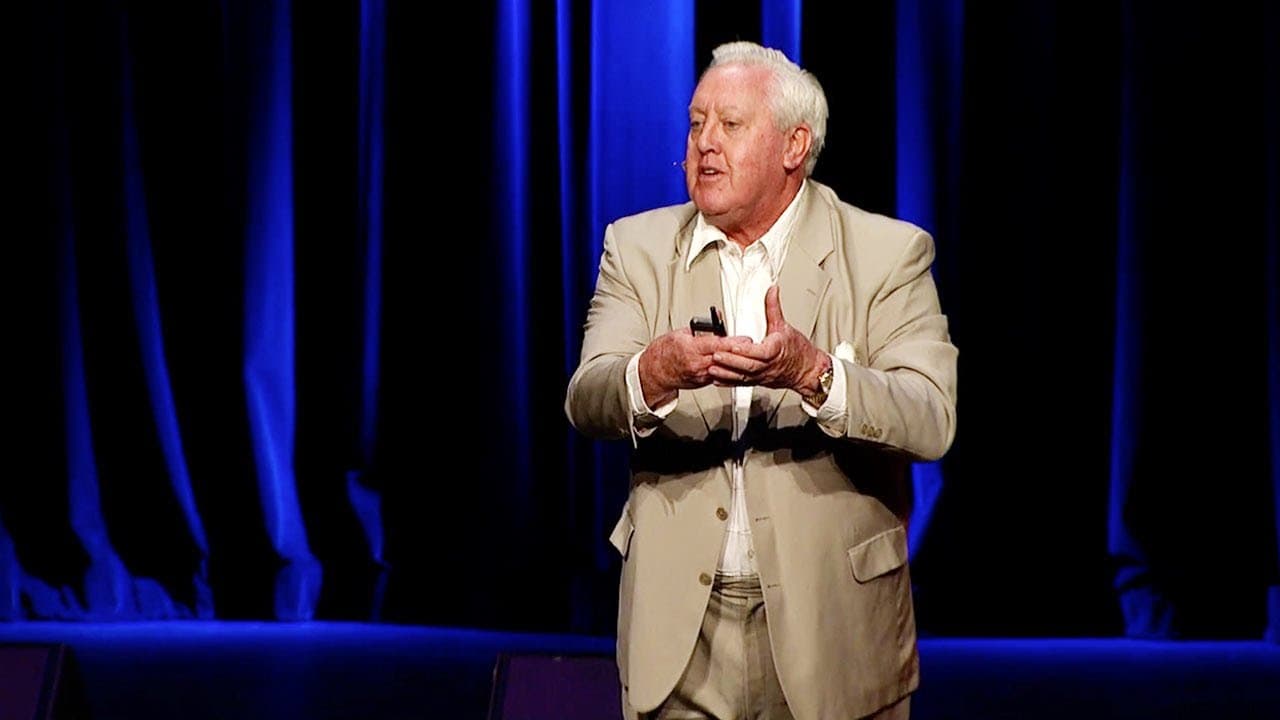
[Applause] the murder happened a little over 21 years ago January the 18th 1991 in a small bedroom community of Lynwood California just a few miles Southeast of Los Angeles father came out was house to tell his teenage son and his five friends that it was time for them to stop horsing around on the front lawn and on the sidewalk to get home finish ... Read More
Key Insights
- ⚾ Eyewitness identifications can be fallible, and there have been numerous cases of wrongful convictions based solely on such testimonies.
- 🥺 Memory reconstruction is a natural process in which the brain fills in missing details, but this can lead to inaccuracies in testimonies.
- 🖐️ Scientific evidence, such as the analysis of lighting conditions, can play a crucial role in challenging eyewitness testimonies.
- 👮 There is a need for increased integration of science and the law to ensure more accurate and fair trials.
- 🧑⚖️ Judges should receive training in science, technology, engineering, and mathematics (STEM) subjects to better evaluate scientific evidence in court.
- ❓ The accuracy of memories should not be measured by their vividness or one's certainty but rather by objective evidence and rigorous examination.
- 😒 Policy and procedures should be put in place to encourage the use of more scientific evidence in the courtroom.
Install to Summarize YouTube Videos and Get Transcripts
Explore YouTube Video Summarizer or Get YouTube Transcript Extractor
Questions & Answers
Q: What evidence led to Francisco CIO's conviction?
Francisco CIO was convicted based on eyewitness identification from the teenagers present at the scene of the crime, who selected his photo from a lineup as the shooter.
Q: Why did the forensic neurophysiologist reconstruct the crime scene?
The forensic neurophysiologist reconstructed the crime scene to challenge the eyewitness testimonies by demonstrating that the lighting conditions were poor, potentially affecting the reliability of the identifications.
Q: What role did memory reconstructions play in this case?
Memory reconstructions are a natural process in which the brain fills in missing details based on inference, speculation, and post-observation information. This can affect the accuracy of eyewitness testimonies.
Q: How did the judge's visit to the crime scene impact the case?
The judge visited the crime scene and witnessed a reenactment, which highlighted the poor lighting conditions and the limitations of eyewitness vision. This contributed to the decision to grant a retrial and ultimately led to Mr. CIO's release.
Summary & Key Takeaways
-
The murder of a father in Lynwood, California in 1991 led to the conviction of Francisco CIO based on eyewitness identification.
-
However, no gun or vehicle was ever found, and Mr. CIO consistently maintained his innocence throughout his life imprisonment.
-
A forensic neurophysiologist reconstructed the crime scene and provided scientific evidence suggesting that the lighting conditions were poor and the eyewitness identifications may not have been reliable.
Read in Other Languages (beta)
Share This Summary 📚
Summarize YouTube Videos and Get Video Transcripts with 1-Click
Try YouTube Summary with ChatGPT & Claude or YouTube Transcript Generator
Explore More Summaries from TED-Ed 📚



Summarize YouTube Videos and Get Video Transcripts with 1-Click
Try YouTube Summary with ChatGPT & Claude or YouTube Transcript Generator