How Does Governance Address Big Data Challenges?
TL;DR
Effective governance of big data requires better, engaged governance rather than just larger structures. Key challenges include cross-border data flows and maintaining public trust, which current systems fail to adequately address. Engaged governance should prioritize trust, involve participants, and ensure mechanisms protect individuals while facilitating research.
Transcript
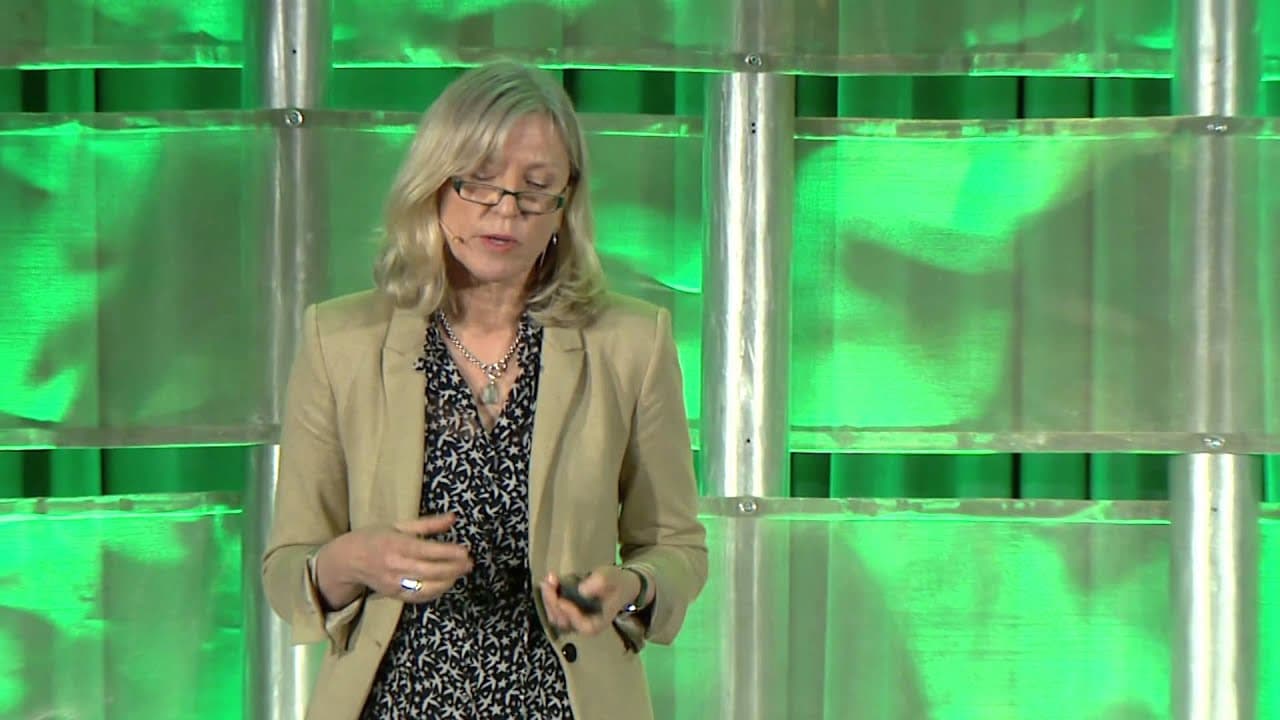
you good morning it's great to be here my talk today is really asking the question if we've got big data do we need bigger governance and my answer to that is really no I don't think we need bigger governance I think we need better governance and we need engaged governance and I'm going to tell you what I mean by that as I go along but first of all... Read More
Key Insights
- 😃 Governance is essential to enable research and data flow, but it needs to be better and more engaged rather than simply bigger.
- 😃 The challenges of big data include cross-border data transfers, replication, and a lack of governance structures to protect privacy and maintain public trust.
- 🖤 Current governance is concentrated at the beginning of research, lacks ongoing engagement, and relies heavily on consent and paper-based mechanisms.
- 😒 Engaged governance should focus on trust, expanding participant input, and developing mechanisms to address societal concerns about the use of data.
- 👨🔬 The balance between facilitating research and protecting individuals should be achieved through proportionate governance mechanisms.
- 💨 Compliance mechanisms and regulations are necessary but need to be implemented in a way that does not hinder research progress.
- 😃 Moving towards global structures and networks requires rethinking governance and adapting to the challenges and opportunities presented by big data.
Install to Summarize YouTube Videos and Get Transcripts
Explore YouTube Video Summarizer or Get YouTube Transcript Extractor
Questions & Answers
Q: What is the difference between governance and regulation?
Governance refers to the complex mechanisms and processes that determine how research and data are sorted out, while regulation focuses on formal processes of law.
Q: How does data flow challenge traditional governance structures?
Data flows easily across borders, can be easily replicated and shared, and technology facilitates this. Without proper governance structures, there can be a loss of public trust and potential privacy risks.
Q: Why is consent at the beginning of the research process problematic?
Consent at the beginning and lack of ongoing engagement limits the ability to address changing concerns and can lead to ineffective anonymization of data as data flows and disclosure risks increase.
Q: What is the concept of engaged governance?
Engaged governance involves focusing on trust rather than just consent, expanding the scope to include more participant input, and developing mechanisms to tap into societal concerns surrounding the use of data.
Summary & Key Takeaways
-
Governing big data involves complex mechanisms, processes, relationships, and institutions that enable research and data flow.
-
The challenges of big data include data replication, cross-border transfers, and a lack of governance structures to protect individuals and maintain public trust.
-
The current governance system focuses on initial oversight and consent but lacks ongoing engagement and mechanisms for addressing societal concerns.
Read in Other Languages (beta)
Share This Summary 📚
Summarize YouTube Videos and Get Video Transcripts with 1-Click
Try YouTube Summary with ChatGPT & Claude or YouTube Transcript Generator
Explore More Summaries from Stanford 📚






Summarize YouTube Videos and Get Video Transcripts with 1-Click
Try YouTube Summary with ChatGPT & Claude or YouTube Transcript Generator