What Is the Parole Evidence Rule in Contract Law?

TL;DR
The parole evidence rule determines when extrinsic evidence can be used to clarify or supplement terms of a written contract. It aims to prevent parties from falsely claiming additional terms not included in the contract, allowing such evidence only if the written agreement is ambiguous and the evidence provides a reasonable interpretation.
Transcript
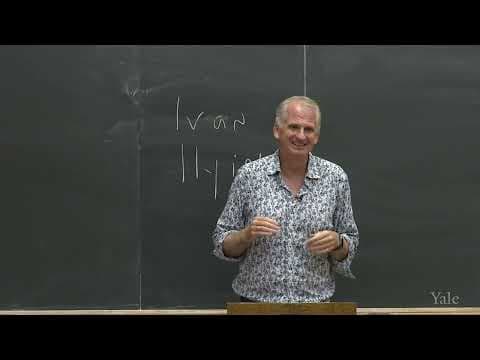
today we will examine a leading case on the parole Evidence Rule Alaska northern development versus Alyeska pipeline services suppose you sign a written contract but at the time of signing you'd agreed to additional terms orally are the additional oral agreement terms enforceable the parole Evidence Rule determines when parties to a written contrac... Read More
Key Insights
- 📏 The parole evidence rule is a common-law rule codified in the UCC Section 2-202.
- 🥳 It prevents parties from introducing extrinsic evidence to change the terms of a written agreement, unless certain conditions are met.
- 😒 Parties may use extrinsic evidence to explain ambiguous terms, but it may be precluded from supplementing the contract.
- ❓ Integration clauses in contracts can indicate whether the agreement is completely or partially integrated.
- 💼 The Alyeska case involved a dispute over the admissibility of extrinsic evidence in a partially integrated agreement.
- 🏆 The court applied a multi-step test to determine whether the extrinsic evidence should be admitted.
- ⚾ Extrinsic evidence can only be admitted if it supports an interpretation that is reasonably susceptible based on the written agreement.
- 🎟️ The court ruled against the admission of extrinsic evidence in this case, finding that the written agreement was not reasonably susceptible to the interpretation proposed by the plaintiff.
Install to Summarize YouTube Videos and Get Transcripts
Explore YouTube Video Summarizer or Get YouTube Transcript Extractor
Questions & Answers
Q: What is the parole evidence rule?
The parole evidence rule is a legal rule that determines when parties can present extrinsic evidence to add or clarify terms in a written contract.
Q: How does the parole evidence rule relate to the statute of frauds?
Both rules aim to prevent false claims in contract cases. The statute of frauds determines when extrinsic evidence can establish the existence of a contract, while the parole evidence rule determines when extrinsic evidence can establish the terms of a contract.
Q: Why can the parole evidence rule increase the amount of fraud?
The parole evidence rule can make it easier for someone who agreed to additional terms orally to falsely deny ever promising to do so, leading to an increase in fraudulent denials.
Q: When can extrinsic evidence be used to explain or supplement a written agreement?
Extrinsic evidence can be used to explain or supplement a written agreement if the conditions of subsection a and B of the rule are met.
Summary & Key Takeaways
-
The parole evidence rule is a common-law rule that determines when extrinsic evidence can be admitted in contract cases.
-
It is related to the statute of frauds and aims to deter parties from falsely alleging duties or additional terms.
-
The rule allows extrinsic evidence to explain or supplement a written agreement under certain conditions.
Read in Other Languages (beta)
Share This Summary 📚
Summarize YouTube Videos and Get Video Transcripts with 1-Click
Try YouTube Summary with ChatGPT & Claude or YouTube Transcript Generator
Explore More Summaries from YaleCourses 📚



Summarize YouTube Videos and Get Video Transcripts with 1-Click
Try YouTube Summary with ChatGPT & Claude or YouTube Transcript Generator