CRISPR helps scientists find cancer's (true) weaknesses
TL;DR
CRISPR reveals non-essential genes in breast cancer, challenging drug targets.
Transcript
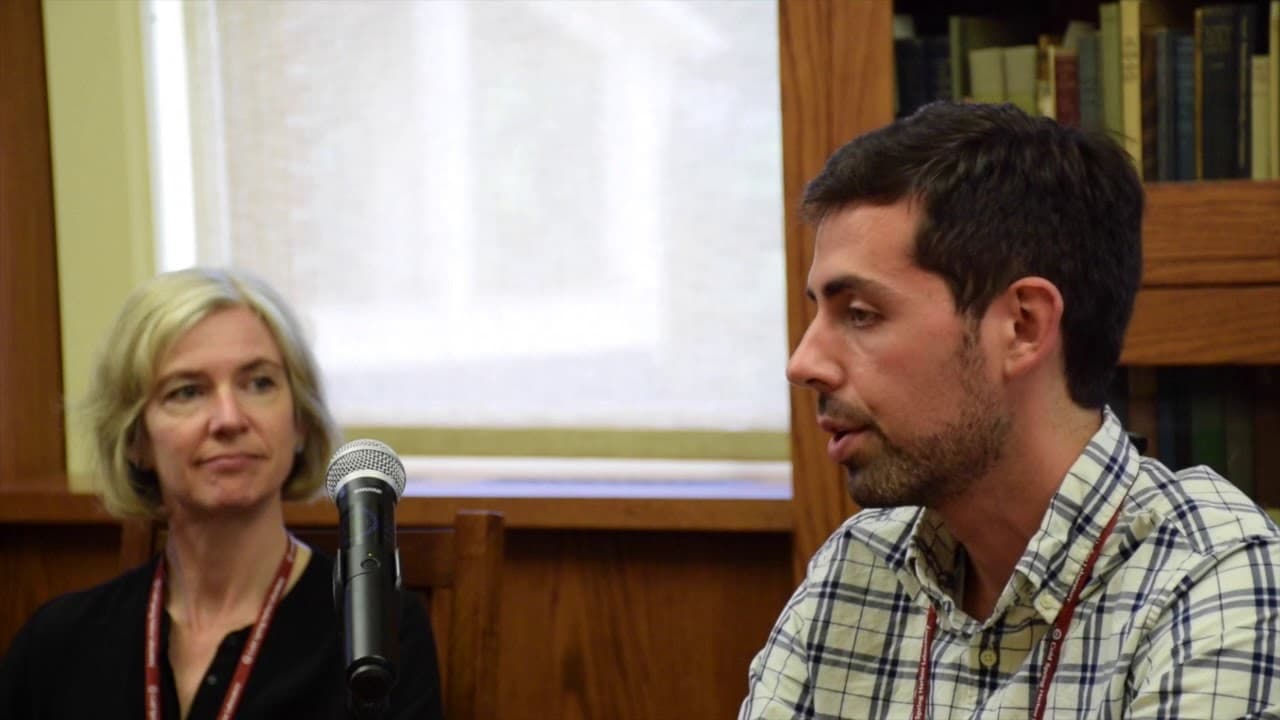
Sheltzer: So we used CRISPR to investigate different genes in breast cancer cells that we thought might make good targets for breast cancer drug development. And we used the ability of CRISPR to engineer very specific and precise deletions in breast cancer cells that we can grow in a dish. Alfano: Deletions of...? Sheltzer: Deletions of the genetic... Read More
Key Insights
- CRISPR technology was utilized to investigate genes in breast cancer cells, aiming to identify potential drug targets by engineering precise deletions.
- The study revealed that a previously identified gene, considered crucial for breast cancer, was actually non-essential, questioning its validity as a drug target.
- Despite the deletion of the target gene, cancer cells were still affected by the drug, indicating the drug's mechanism might be misunderstood.
- CRISPR is not only a tool for potential direct cancer treatment but also a means to deepen our understanding of cancer genetics.
- Jennifer Doudna emphasized the importance of validating biochemical data with genetic evidence to accurately assess protein roles in cancer development.
- The research highlights the necessity of revisiting and validating past findings with advanced genetic tools to ensure accurate drug target identification.
- The findings suggest a need for comprehensive genetic validation in cancer research to avoid reliance on potentially misleading biochemical data.
- The study exemplifies how CRISPR can refine our understanding of cancer biology, potentially leading to more effective therapeutic strategies.
Install to Summarize YouTube Videos and Get Transcripts
Explore YouTube Video Summarizer or Get YouTube Transcript Extractor
Questions & Answers
Q: How was CRISPR used in the breast cancer research?
CRISPR was employed to engineer precise deletions of specific genes in breast cancer cells to determine their necessity for cell survival. This allowed researchers to evaluate the validity of these genes as potential drug targets by observing the effects of their absence on cancer cell viability.
Q: What surprising discovery was made about a gene previously identified as important in breast cancer?
The research revealed that the gene, previously thought to be critical for breast cancer cell survival, was actually non-essential. Despite its deletion, cancer cells continued to survive, challenging its validity as a drug target and suggesting that the associated drug's mechanism might be misunderstood.
Q: What does the study suggest about the current understanding of cancer drugs?
The study suggests that our understanding of certain cancer drugs may be flawed, as the drug continued to affect cancer cells despite the deletion of its supposed target gene. This indicates that the drug's mechanism of action might not align with current beliefs, emphasizing the need for further investigation.
Q: What role does CRISPR play beyond potential cancer treatments?
Beyond its potential as a direct treatment, CRISPR plays a crucial role in enhancing our understanding of cancer genetics. It allows researchers to validate and challenge existing findings, leading to more accurate identification of drug targets and a deeper comprehension of cancer biology.
Q: Why did Jennifer Doudna find the research exciting?
Jennifer Doudna found the research exciting because it demonstrated the importance of validating biochemical data with genetic evidence. She emphasized that CRISPR's ability to provide precise genetic insights is crucial for accurately assessing the roles of proteins in cancer development, potentially leading to more effective treatments.
Q: What is the significance of revisiting past cancer research findings?
Revisiting past findings with advanced genetic tools like CRISPR is essential to ensure the accuracy of drug target identification. It helps avoid reliance on potentially misleading biochemical data, leading to more reliable therapeutic strategies and a better understanding of cancer mechanisms.
Q: How does CRISPR refine our understanding of cancer biology?
CRISPR refines our understanding of cancer biology by enabling precise genetic manipulations, allowing researchers to identify which genes are truly essential for cancer cell survival. This helps in accurately determining valid drug targets and understanding the underlying mechanisms of cancer, potentially leading to improved treatments.
Q: What does the research imply about the necessity of genetic validation in cancer studies?
The research implies that genetic validation is crucial in cancer studies to ensure the accuracy of drug target identification. By using tools like CRISPR, researchers can confirm or refute previous findings, leading to more effective and targeted cancer therapies based on solid genetic evidence.
Summary & Key Takeaways
-
CRISPR was used to explore breast cancer genes, uncovering that a previously critical gene was non-essential, questioning its role as a drug target. The drug still affected cancer cells, suggesting a misunderstood mechanism. This research underscores the importance of genetic validation in cancer studies.
-
Jennifer Doudna praised the work for its genetic validation of biochemical data, emphasizing that CRISPR's role extends beyond potential treatments to enhancing cancer understanding. The study highlights the need to revisit and validate past findings with advanced genetic tools.
-
The research demonstrates CRISPR's ability to challenge existing cancer drug targets by revealing non-essential genes. It stresses the importance of genetic evidence in cancer research, potentially leading to more accurate drug development and therapeutic strategies.
Read in Other Languages (beta)
Share This Summary 📚
Summarize YouTube Videos and Get Video Transcripts with 1-Click
Try YouTube Summary with ChatGPT & Claude or YouTube Transcript Generator
Explore More Summaries from Cold Spring Harbor Laboratory 📚


Summarize YouTube Videos and Get Video Transcripts with 1-Click
Try YouTube Summary with ChatGPT & Claude or YouTube Transcript Generator